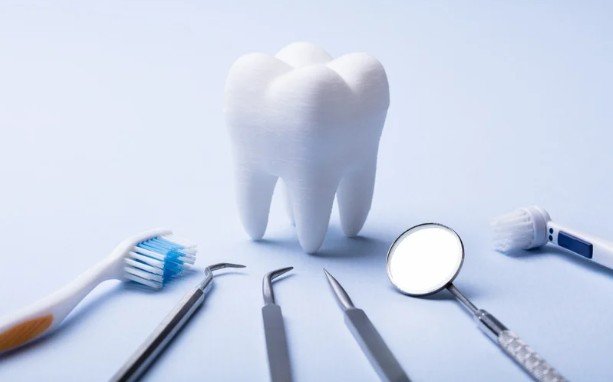
Maintaining good oral health is a vital component of overall physical well-being, yet many people routinely push aside minor toothaches, occasional gum bleeding, or jaw stiffness as harmless inconveniences.
Ignoring early dental red flags allows manageable issues to progress rapidly into painful, complex, and costly medical conditions. Learning to recognize critical warning signs empowers you to seek timely professional care, protecting your natural teeth, preserving jaw structures, and safeguarding your health.
Persistent Toothaches and Thermal Sensitivity
A lingering toothache or sharp pain when consuming hot coffee or iced water is a clear indicator that something is wrong deep within a tooth. While temporary mild sensitivity can occasionally result from aggressive brushing or minor enamel wear, sharp or throbbing pain points toward compromised enamel, structural cracking, or deep bacterial decay.
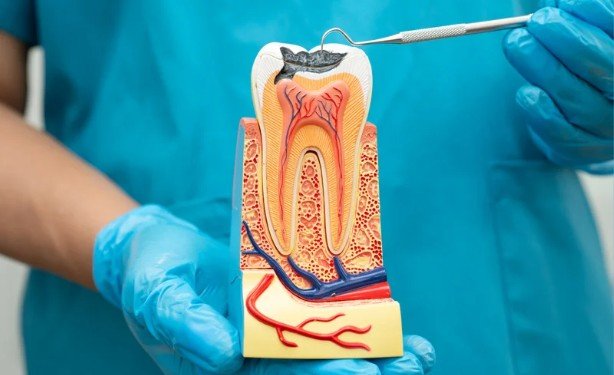
When tooth decay penetrates through the hard outer enamel and dentin layers, it reaches the inner pulp chamber, which houses sensitive nerve tissue and blood vessels. Unaddressed bacterial invasion causes painful nerve inflammation, localized tissue necrosis, and painful dental abscesses that can spread infection into surrounding bone structures and facial tissues.
Seeking prompt diagnostic evaluation allows dental providers to treat decay conservatively using simple fillings or endodontic root canal therapy before a tooth becomes unsalvageable. Ignoring persistent tooth pain risks permanent nerve death, severe systemic infection, and eventual tooth extraction.
Identifying Pulpitis and Nerve Inflammation
Pulpitis occurs when inner tooth nerves become inflamed from bacterial exposure, causing throbbing pain that frequently intensifies when lying down.
Reversible pulpitis resolves easily with a dental filling, whereas irreversible pulpitis requires root canal treatment to remove infected tissue. Early treatment saves natural teeth.
Managing Exposed Dentin and Erosion
Enamel erosion exposes underlying dentin, which contains microscopic tubules leading directly to the central nerve chamber. To simplify your life with intentional choices, make a consistent oral care routine part of your daily habits.
Applying desensitizing agents or protective dental bonding shields exposed dentin surfaces, restoring daily temperature comfort. Early bonding prevents deep bacterial penetration.
Bleeding, Swollen, or Receding Gum Tissues

Healthy gum tissue should appear firm, pale pink, and fit snugly around the base of every tooth. Noticing blood in the sink after brushing or observing red, puffy gums is a classic symptom of early periodontal disease, commonly known as gingivitis.
Gingivitis develops when sticky bacterial plaque accumulates along the gumline, triggering a localized immune response. Left untreated, gingivitis advances into periodontitis, where destructive bacterial toxins destroy the supportive periodontal ligaments and underlying jawbone that anchor teeth firmly in place.
As periodontitis progresses, gums recede dramatically, and deep pockets form around tooth roots, harboring aggressive anaerobic bacteria. Routine dental cleanings and daily flossing reverse early gingivitis, preventing irreversible jawbone loss and loosening teeth.
Reversing Early-Stage Gingivitis
Daily flossing combined with professional dental cleanings removes hardened tartar deposits that harbor damaging oral bacteria.
Eliminating subgingival plaque allows inflamed gum tissue to heal and reattach tightly around tooth bases. Early care halts disease progression.
Managing Advanced Periodontal Infection
Advanced periodontitis requires specialized deep cleaning procedures, such as scaling and root planing, to smooth root surfaces and clean deep pockets.
Controlling subgingival infection prevents teeth from loosening and falling out over time. Periodontal management preserves structural jaw integrity.
Jaw Stiffness, Clicking, and Impacted Molars
Persistent stiffness around the jaw joints, painful clicking noises when chewing, or dull aching at the back of the mouth indicate structural or eruptive complications that require professional evaluation. Third molars, commonly known as wisdom teeth, often lack adequate space to emerge properly within mature jaws.
When third molars become trapped beneath gum tissue or grow at awkward angles, they become impacted, pressing against adjacent healthy molars. Impacted teeth create hard-to-clean flaps of tissue that trap food particles and bacteria, leading to painful localized infections, swelling, and facial stiffness.
Undergoing a timely wisdom tooth extraction in Ogden resolves localized crowding, stops recurring bacterial infections, and relieves pressure on neighboring teeth. Addressing impacted molars early prevents damage to adjacent roots and protects your overall bite alignment.
Recognizing Symptoms of Impacted Molars
Trapped third molars cause localized swelling, foul tastes near the back of the mouth, jaw stiffness, and persistent pressure headaches.
Prompt surgical evaluation prevents impacted teeth from forming destructive cysts or damaging neighboring tooth roots. Early extraction eliminates chronic discomfort.
Relieving TMJ Strain and Jaw Joint Pain
Chronic jaw clicking and morning muscle fatigue often stem from night grinding, misaligned bites, or temporomandibular joint (TMJ) inflammation.
Custom nightguards and bite adjustments redistribute heavy forces evenly, protecting tooth enamel and joint capsules. Joint care prevents chronic facial pain.
Chronic Bad Breath and Unpleasant Taste
Experiencing bad breath after eating pungent foods is entirely normal, but persistent bad breath—known medically as halitosis—that lingers despite brushing, flossing, and mouthwash indicates an underlying dental problem.
Halitosis is frequently caused by volatile sulfur compounds produced by anaerobic bacteria thriving inside hidden tooth cavities, deep periodontal pockets, or underneath failing dental restorations. It can also stem from chronic salivary gland dysfunction.
Relying on commercial mints or mouthwashes merely masks the odor temporarily without treating the root cause. A thorough dental examination pinpoints hidden decay or gum disease, allowing your dentist to eliminate the bacterial source and restore fresh breath naturally.
Eliminating Hidden Bacterial Breeding Sites
Decayed cavities and broken dental crowns trap decomposing food debris and bacteria, producing foul-smelling sulfur gases continuously.
Repairing damaged dental work and filling open cavities removes bacterial reservoirs, eliminating halitosis at its source. Restorative care restores oral hygiene.
Managing Dry Mouth and Low Salivary Flow
Reduced saliva flow deprives the mouth of its natural cleansing mechanism, allowing odor-causing bacteria to multiply unchecked.
Sipping water frequently and using moisturizing oral sprays stimulates natural cleansing and neutralizes harmful acids. Saliva management restores oral equilibrium.
Cracked, Chipped, or Fractured Tooth Enamel
Tooth enamel is exceptionally strong, but biting on hard objects, suffering facial trauma, or grinding teeth during sleep can cause chips, cracks, or complete tooth fractures unexpectedly.
Even tiny hairline cracks allow bacteria to penetrate deep into the delicate interior of a tooth every time you chew. This leads to sharp, intermittent pain during meals and exposes inner nerves to painful temperature changes.
Leaving a cracked tooth untreated allows normal chewing pressure to flex the crack deeper toward the root, eventually splitting the tooth beyond repair. Restoring cracked teeth early with protective custom crowns or composite bonding protects structural integrity and prevents tooth loss.
Repairing Minor Enamel Chips with Bonding
Applying tooth-colored composite resin restores chipped edges smoothly, protecting surrounding soft tissues from sharp enamel borders.
Composite bonding blends seamlessly with natural teeth, restoring cosmetic appearance and structural stability in a single visit. Minor repairs prevent larger fractures.
Protecting Fractured Teeth with Custom Crowns
Encasing severely cracked teeth inside custom ceramic or porcelain crowns holds the weakened structure together under heavy chewing pressure.
Crowns distribute bite forces evenly, preventing crack expansion and shielding sensitive inner nerves. Custom crowns preserve natural tooth roots.
Non-Healing Mouth Sores and Persistent Lesions
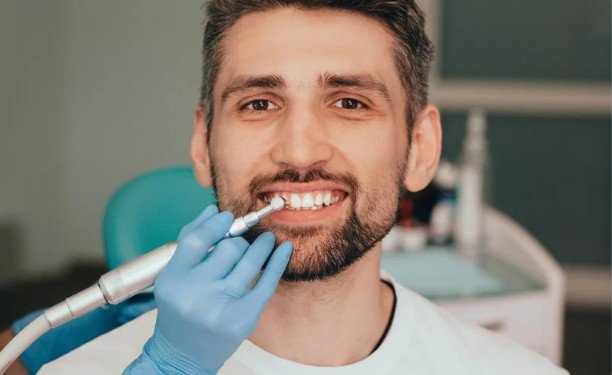
While common canker sores or minor cheek bites typically heal naturally within ten to fourteen days, any persistent ulcer, unusual lump, or discolored red and white patch inside the mouth requires immediate professional attention.
Non-healing oral lesions can serve as early warning signs of mucosal dysplasia or oral cancer, particularly in individuals with a history of tobacco use, regular alcohol consumption, or human papillomavirus exposure. Early-stage oral lesions are often completely painless initially, making visual screenings vital.
Routine dental visits include comprehensive soft tissue exams that inspect the tongue, floor of the mouth, cheeks, and palate thoroughly. Early detection of suspicious tissue changes dramatically improves treatment outcomes and ensures peace of mind.
Identifying Suspicious Oral Patches
Thick white patches (leukoplakia) or velvety red patches (erythroplakia) on oral membranes warrant prompt diagnostic evaluation by a dentist.
Professional evaluation and biopsy identify tissue changes early, enabling minimal intervention. Visual inspection safeguards soft tissue health.
Conducting Routine Oral Cancer Screenings
Dentists evaluate soft oral tissues visually and palpate neck lymph nodes during checkups to detect subtle structural abnormalities early.
Early detection of suspicious lesions ensures high treatment success rates and protects long-term health. Regular checkups provide vital health protection.
Conclusion
Ignoring dental red flags like toothaches, bleeding gums, jaw stiffness, chronic bad breath, cracked enamel, and non-healing sores turns manageable issues into severe health risks. Your mouth is a direct window into your overall physical health, and addressing oral warning signs promptly protects your natural teeth, preserves supportive jawbone structure, and prevents systemic complications.
Practicing diligent daily oral hygiene, attending bi-annual professional checkups, and seeking immediate care when discomfort arises ensures a healthy, functional, and confident smile that serves you well for a lifetime.