I spent years mistaking constant motion for actual progress. My mornings were a sprint against incoming emails, lunch was consumed over spreadsheets, and my evenings dissolved into blue-light scrolling. Adopting slow living practical habits was not a romantic aesthetic choice for my lifestyle; it became an urgent neurological necessity.
Slow living does not require moving to an off-grid cabin or abandoning a modern career. It is an intentional refusal to let artificial urgency dictate your nervous system. By systematically replacing passive consumption with deliberate micro-routines, I reclaimed hours of fractured attention.
What Slow Living Actually Means (Hint: It Is Not Turtle Speed)
Popular media often depicts slow living as slow-motion baking or lounging in linen robes. In reality, slow living represents conscious pace regulation. You move fast when execution demands speed, but you never rush through moments that require presence.
When you rush, your sympathetic nervous system stays perpetually activated. Your body releases cortisol, your breathing turns shallow, and your prefrontal cortex loses executive bandwidth. Learning to simplify your life with intentional choices cuts through this perpetual fight-or-flight cycle.
The Cognitive Science of Intentional Pacing
The human brain cannot sustain continuous high-frequency task switching without paying an immense cognitive tax. Peer-reviewed research compiled by the American Psychological Association shows that chronic time-urgency fragments attention and degrades baseline emotional stability.
Slowing down the body directly signals safety to the vagus nerve. When heart rate variability rises, working memory stabilizes. Intentional pacing acts as proactive mental hygiene, preserving neural energy for tasks that genuinely matter.
Daily Anchors: My Tactile Morning Routines
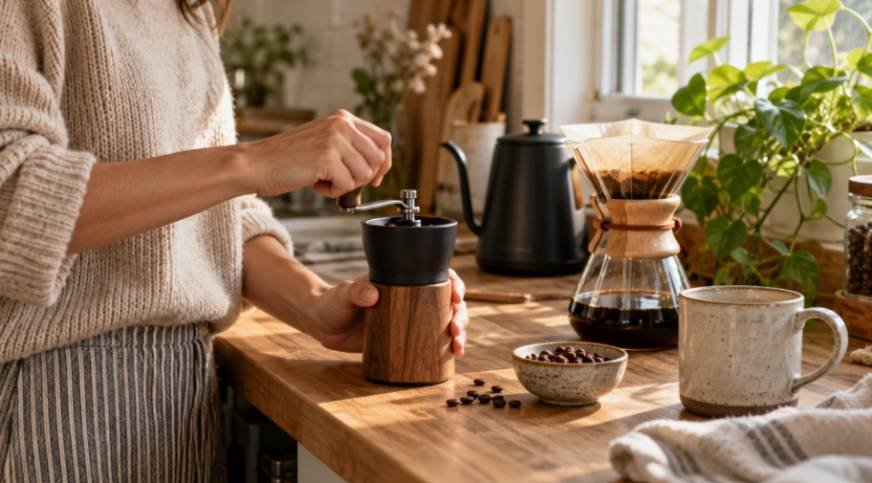
Relying on sheer motivation to build a calm morning routinely fails. Instead, I tether my mornings to physical, tactile anchors that require manual engagement. If my hands are actively occupied with physical materials, they cannot mindlessly reach for a glowing smartphone screen.
07:00 AM ── Hand-grinding beans & sensory manual brew
07:20 AM ── Quiet outdoor exposure, zero screens
08:28 AM ── Two-minute eyes-closed transition buffer
08:30 AM ── Deep work block
Sensory Brewing Over Instant Stimulation
I threw away my pod machine and bought an inexpensive manual burr grinder. Grinding coffee beans by hand takes ninety seconds of rhythmic physical effort. I listen to the mechanical crunch of the beans, watch the bloom of hot water over the grounds, and smell the oils releasing.
This simple sensory ritual anchors my brain directly into physical reality. A controlled study on sensory processing published via Harvard Health Publishing emphasizes that structured sensory grounding physically dampens amygdala hyperactivity. It gives me a grounding baseline long before my inbox demands my attention.
Analog Dishwashing as a Nervous System Reset
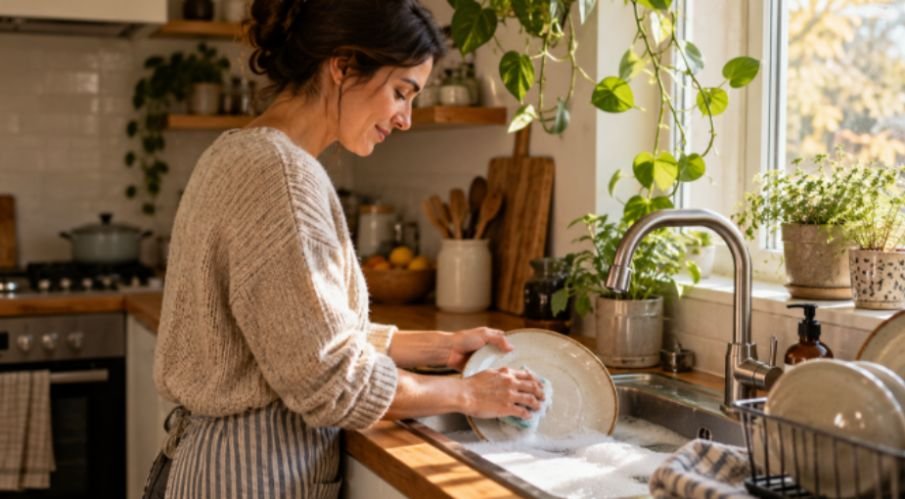
I used to rush through chores with irritated resentment, desperate to return to a screen. Now, I treat hand-washing dishes and caring for my house plants as therapeutic resets.
Feeling warm soapy water and scrubbing ceramic plates generates an effortless, rhythmic meditation. Clinical research published on PubMed Central confirms that engaging in tactile, repetitive household tasks substantially lowers physiological stress markers. These tasks pull you away from conceptual anxieties and place you squarely into your immediate sensory environment.
The Transition Buffer: Mastering Moments of Absolute Nothing

Most stress accumulates in the narrow seams between our responsibilities. We slam a laptop shut and immediately sprint to start dinner, or jump out of our car while taking a phone call. I eliminated this constant friction by scheduling deliberate transition buffers.
The 120-Second Pre-Work Pause
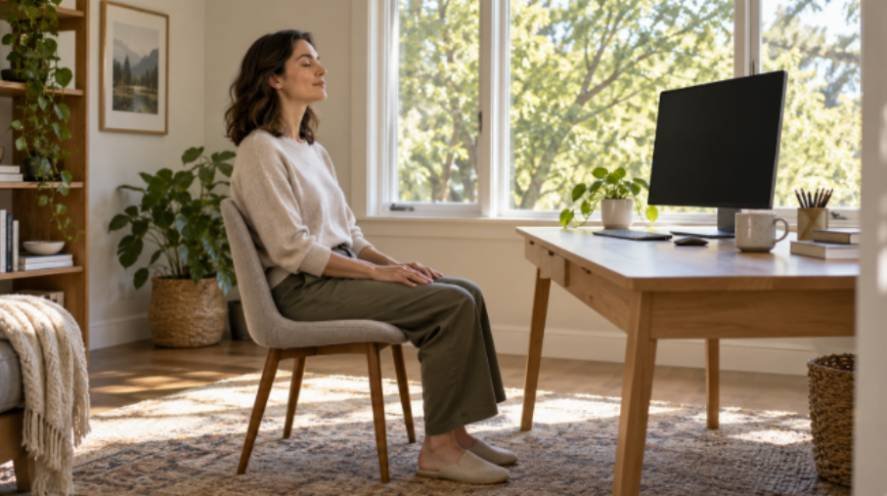
Before launching my browser or attending my first meeting, I sit motionless in my chair for two full minutes. I leave my monitors off, place my palms on my knees, close my eyes, and take slow, resonant breaths into my belly.
This short exercise disarms anticipation anxiety. It establishes that I control my work day, rather than letting incoming notifications commandeer my focus.
The Post-Lunch Calibrator
Immediately following lunch, I enforce a strict fifteen-minute blackout period. I lie flat on my living room rug or stare out the window at the tree line across the street.
I forbid myself from reading books, organizing files, or checking schedules during this window. Giving the brain empty, unassigned space restores attentional stamina for the remainder of the afternoon far better than an extra shot of espresso.
Digital Hygiene That Does Not Depend on Willpower
Willpower is an exhaustible resource. If your phone sits within reach glowing in full Technicolor, you will eventually unlock it. Slow living requires environmental engineering that removes friction from calm and adds friction to compulsive distraction.
Automating Grayscale Displays at Dusk
App designers intentionally engineer notifications and app icons with vibrant hues to exploit your dopamine pathways. To neutralize this psychological hook, I run automated scripts on my devices that strip all color away every evening at 8:30 PM.
A landmark study featured in Nature Human Behaviour verified that converting mobile screens to grayscale drastically cuts non-essential screen time. Black-and-white displays turn addictive social feeds into dull, text-heavy utilities that your brain quickly abandons.
The Strict Analog Nightstand
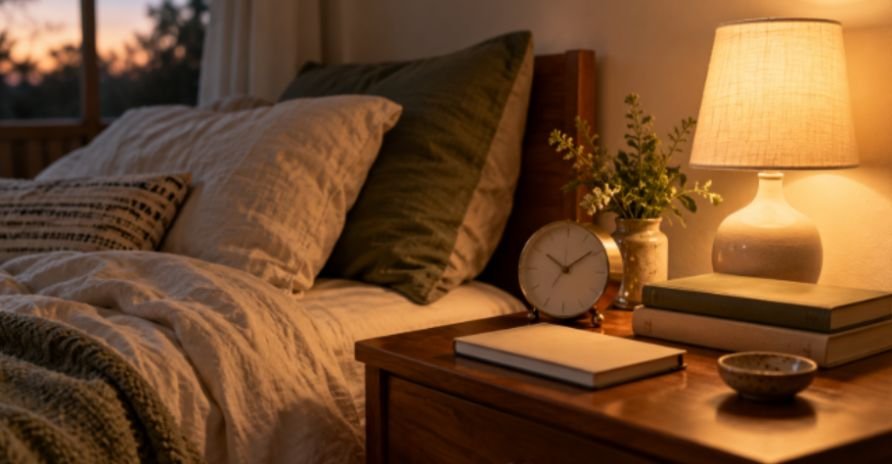
My bedroom contains no charging cables, tablets, or wearable trackers. My phone charges overnight in the laundry room down the hall.
On my bedside table, I keep only a simple brass analog clock, a notebook, and physical books. Removing digital stimulants from the sleep environment eliminates the midnight urge to browse, ensuring deep, restorative sleep cycles.
Single-Tasking as Physical Rest
Multi-tasking is an illusion. In practice, the brain rapidly alternates between disparate tasks, degrading the quality of each output while draining metabolic glucose. I implemented a strict single-tasking rule across all basic daily activities:
- Eating: Meals are consumed without background videos, podcasts, or texts. I chew slowly, savoring textures, spices, and temperatures.
- Walking: Daily walks around the neighborhood happen without earbuds. I listen to traffic, wind, and neighborhood sounds.
- Conversations: When talking with family or peers, I put away gadgets and hold unbroken visual engagement.
Single-tasking acts as a direct antidote to mental fragmentation, turning ordinary activities into genuine rest.
Frequently Asked Questions
1. What is the quickest way to start slow living?
Begin by establishing a single two-minute silence buffer before opening your work computer each morning.
2. Does slow living lower career productivity?
No, it enhances productivity by protecting deep concentration and preventing mental burnout.
3. How do I practice slow living with a busy schedule?
Embed intentionality into habits you already do, such as eating one meal daily without your phone.
4. Can slow living help reduce daily anxiety?
Yes, repetitive tactile tasks and scheduled digital breaks downregulate the autonomic nervous system.
Stop Hustling for Stillness: Your Next Simple Shift
You do not need to overhaul your entire lifestyle by tomorrow morning. Striving for a flawless slow-living routine merely turns peaceful living into another stressful metric to track.
Pick one tiny habit today: hand-grind your coffee, sit in silence for two full minutes before starting your car, or set your smartphone display to black-and-white tonight.
Reclaiming your peace is an act of persistent, quiet defiance—built one unhurried breath at a time. Evidence proves that slow living improves mental wellbeing by recalibrating how our brains process daily stimuli.
A weekly spending reflection routine for better money choices can also bring the same intentional mindset to your financial habits, helping you pause, review, and make more deliberate decisions.