Category: Career Wellbeing

  • Preventing The Physical Symptoms of Workplace Burnout

    Preventing The Physical Symptoms of Workplace Burnout

    A workday should not feel like a full-body endurance test. Yet people wake exhausted, tense up before meetings, or lose sleep over unfinished tasks. I have learned that physical symptoms of workplace burnout often appear before admitting work is harming our health and performance.

    Burnout is not one busy week. It develops when job stress continues without enough control, support, recovery, or change. Early recognition can protect your wellbeing and career.

    The goal is not to label every uncomfortable day, but to notice repeated body signals, understand their work connection, and choose safe action before the pattern deepens over time.

    Key Takeaways

    • Burnout can drain energy. 
    • Pain may become frequent. 
    • Sleep and digestion can change. 
    • Immunity may feel weaker. 
    • Early action can prevent deeper health and career problems.

    Why This Body Alarm Matters

    Physical symptoms of workplace burnout are like unwanted office notifications from your body. Ignore one and another may appear louder. Understanding these signals helps you respond before fatigue, pain, poor sleep, and stomach trouble become your new normal or force a rushed career decision.

    These signs matter because people often blame themselves for slowing down. The body may be reacting to pressure, unclear expectations, emotional strain, or inadequate recovery.

    Body And Energy Changes

    Long-term work stress often appears through low energy, tension, and illness.

    Constant Fatigue

    Burnout fatigue feels deeper than ordinary tiredness. You may sleep well yet wake heavy, slow, or mentally foggy. Answering messages, commuting, or preparing for a meeting can feel unusually demanding.

    Exhaustion may continue through weekends because your mind never fully leaves work. You might rely on caffeine, cancel plans, or spend free time recovering.

    Frequent Pain

    Headaches, tight shoulders, jaw tension, back pain, and muscle aches can develop when the body stays braced for pressure. Discomfort may rise before deadlines, difficult conversations, presentations, or understaffed shifts.

    Do not automatically blame pain on career burnout. Track its timing and whether it improves away from work, then discuss persistent pain with a healthcare professional.

    Weakened Immunity

    Weakened Immunity

    Some people catch colds more often or recover slowly during intense work periods. Poor sleep, skipped meals, limited movement, and stress can make recovery harder.

    Frequent illness has many possible causes. Seek proper medical evaluation rather than assuming that a holiday, supplement, or positive attitude will solve it.

    Stomach And Habit Changes

    Burnout can disturb digestion, sleep, eating patterns, and stabilizing routines.

    Digestive Issues

    Stomach aches, nausea, heartburn, bloating, constipation, diarrhea, or bowel changes may appear during long-term stress. Symptoms may increase on Sunday evenings, before meetings, or after difficult work messages.

    The digestive system responds to stress, but lasting discomfort needs medical attention. Record meals, work triggers, timing, pain, and changes during leave.

    Sleep Disruption

    Burnout can make it difficult to fall asleep, stay asleep, or wake refreshed. Your mind may replay conversations, prepare tomorrow’s tasks, or worry about mistakes while your body remains tense.

    Late emails, irregular shifts, screens, and fear of missing messages can keep the brain connected to work. Extra sleep may not restore energy.

    Appetite Shifts

    Job stress may cause you to eat much more or less than usual. You might skip lunch, lose interest in food, crave comfort foods, or snack continuously to maintain focus.

    Appetite changes can affect mood, concentration, energy, and weight. Regular meals and hydration help, but major or lasting changes need professional advice.

    How Work Triggers The Body

    Symptoms become clearer when linked to workplace conditions.

    How Work Triggers The Body

    Heavy Workloads

    Constant deadlines, understaffing, long hours, and unrealistic targets keep the body alert. Even strong performers eventually struggle when effort is not followed by recovery, satisfaction, or control.

    The problem may also involve changing priorities, interruptions, or constant availability.

    Low Control

    Employees often struggle when they cannot influence deadlines, methods, schedules, or decisions. Feeling trapped can increase tension, poor sleep, and exhaustion.

    Clear priorities and reasonable decision-making power reduce strain. A supportive manager should explain what matters now and what can wait.

    Poor Support

    Bullying, unfair treatment, weak communication, isolation, and little recognition can make normal challenges physically draining. Emotional safety and workplace safety and health are closely connected.

    Trusted coworkers, managers, human resources, unions, or an employee assistance program can help document problems and plan action.

    How To Handle Physical Symptoms Of Workplace Burnout

    Combine health checks, symptom tracking, and workplace changes.

    Step One: Check Your Health

    Speak with a healthcare professional when symptoms persist, worsen, seem unexplained, or disrupt life. Fatigue, headaches, digestive changes, and frequent illness may need assessment.

    Seek urgent help for severe chest pain, fainting, sudden weakness, serious breathing difficulty, or other alarming symptoms. Never let a burnout assumption delay necessary care.

    Step Two: Track The Pattern

    For two weeks, record sleep, energy, pain, digestion, workload, meetings, and recovery. Keep notes brief.

    Look for repeated links. Symptoms that worsen during workdays, before certain tasks, or around particular people may reveal conditions needing attention.

    Step Three: Request One Change

    Choose a change that addresses the cause. Request ranked priorities, clearer duties, protected breaks, predictable hours, or temporary support.

    Use specific examples. Explain what happens, how it affects performance, and which adjustment could improve both wellbeing and results.

    Daily Recovery At Work

    Small routines help, although they cannot repair a harmful workplace.

    Daily Recovery At Work

    Protect Your Boundaries

    Set a stopping time, mute nonessential notifications, and avoid checking work during every free moment. Brief screen breaks can help the body release tension.

    Explain your working hours, response times, and priorities clearly. Healthy boundaries reduce confusion without making you seem unhelpful.

    Rebuild Basic Energy

    Sleep, meals, water, movement, daylight, and supportive relationships improve recovery. Begin with one repeatable action.

    A short walk, proper lunch, or consistent bedtime may sound basic, but burnout often disrupts basic needs first.

    Review The Job Fit

    Some roles remain unhealthy despite reasonable effort. If leaders ignore workload concerns, tolerate mistreatment, or reject necessary changes, consider an internal transfer, leave, reduced hours, or planned job search. A career counselor or mentor can help you compare choices calmly.

    Frequently Asked Questions

    1. What Are The Five Stages Of Burnout?

    The model includes early enthusiasm, growing stress, chronic stress, burnout, and habitual burnout. It is a useful framework, not a medical diagnosis, and experiences vary.

    2. How Do I Fix Burnout At Work?

    Check your health, identify triggers, track symptoms, and request one realistic change. Recovery also needs boundaries, rest, support, and sometimes a different role or employer.

    3. What Are The 12 Stages Of Burnout?

    This model describes overworking, neglected needs, denial, withdrawal, behavior changes, emptiness, depression, and burnout. It is descriptive and should never replace professional assessment.

    4. What Is The Typical Recovery Timeline For Burnout?

    Recovery may take weeks, months, or longer depending on severity, support, and workplace change. Physical symptoms of workplace burnout often improve slowly while the same pressure continues.

    Give Burnout Its Eviction Notice

    Physical symptoms of workplace burnout do not prove every ache comes from work, but they offer useful clues. Notice timing, rule out other causes, document triggers, and request change early.

    I would rather respond early with medical support, boundaries, and a plan than wait for shutdown. Your body is not dramatic. It may be asking for safer, more sustainable work.

  • Lost Your Drive? How to Regain Motivation at Work After Burnout

    Lost Your Drive? How to Regain Motivation at Work After Burnout

    Finding out how to regain motivation at work after burnout feels a bit like trying to start a car with a completely dead battery. Finding yourself staring blankly at your monitor while your brain screams for a break is a universal professional struggle. 

    Rebuilding your career drive requires dropping the pressure to perform at maximum capacity right away. Instead of forcing yourself to sprint, you can gently step back and focus on sustainable healing habits.

    Key Takeaways

    • Acknowledge exhaustion instead of forcing toxic productivity.
    • Adopt the 42% rule to balance rest with daily output.
    • Start with micro-wins to rebuild cognitive confidence.
    • Set firm workplace boundaries to protect your emotional energy.
    • Redefine personal success beyond constant professional output.

    Why Your Drive Vanished

    Understanding the hidden trap of chronic exhaustion and why your brain shut down.

    Accept Burnout as a Natural Response

    Your mind and body slow down because chronic stress triggers a protective shutdown mechanism. After pushing beyond your limits for too long, your nervous system conserves its remaining energy by forcing you to pause. 

    Learning how to regain motivation at work after burnout begins with accepting this biological response instead of feeling guilty. Trying to return to full productivity too quickly often prolongs exhaustion rather than fixing it.

    Change the Way You View Recovery

    Instead of calling yourself lazy or unproductive, think of this phase as a necessary reset for your brain and body. Your lack of motivation is a physical response to prolonged stress, not a personal failure. Shifting this mindset helps you approach work with greater patience, self-compassion, and realistic expectations, making it easier to rebuild healthy habits.

    Build a Strong Foundation for Recovery

    Build a Strong Foundation for Recovery

    Recognizing burnout early prevents a deeper emotional and physical crash. Respecting your current mental capacity allows you to recover steadily instead of repeating the same cycle of overwork. Taking a step back is not giving up—it is an investment in your long-term well-being and career. By prioritizing recovery, you create the foundation needed to regain motivation, improve focus, and return to work with renewed energy and resilience.

    Simple Steps for Healing

    Practical steps to reclaim your professional energy.

    Rebuilding your drive requires small, intentional movements rather than massive career overhauls. Moving forward slowly protects your recovering nervous system from crashing right back into chronic exhaustion.

    Discover Your Root Cause

    Looking closely at what triggered your original exhaustion phase is essential. Pinpoint whether an unmanageable workload, poor management, or value misalignment drained your tank.

    Embrace Micro-Wins Daily

    Focusing on tiny achievements rebuilds your internal momentum and self-trust. Accomplishing one minor task each morning reminds your brain that you are capable and effective.

    Honor the Recovery Rhythm

    Balancing intense professional focus with deliberate downtime prevents future relapses. Rest is not a reward you earn only after working yourself to the bone; it is a biological requirement.

    Rest And Reset

    Practical steps to recharge your mind and lower daily expectations.

    Rest And Reset

    Stop forcing old energy 

    Accept that your body and mind need time to heal, and trying to push at 100 percent intensity will only prolong the exhaustion. Pushing through chronic fatigue only deepens the mental deficit and makes your daily tasks feel entirely impossible to accomplish. Give yourself permission to operate at a slower speed while your internal reserves slowly rebuild over the coming weeks.

    Lower the bar

    Focus on doing just one tiny task a day and treat that small win as a success. Micro-successes trick your brain into remembering that you are capable and effective without triggering overwhelming anxiety. Celebrating these minor victories creates a gentle snowball effect that gradually restores your confidence and daily momentum.

    Schedule true downtime

    Block out intentional time for rest where you do not check emails or handle extra obligations. True rest means stepping away from digital screens and engaging in activities that genuinely soothe your nervous system. Protecting these quiet moments keeps your emotional energy tanks full and ready for meaningful engagement.

    Rebuild Boundaries And Control

    How to set firm limits and regain a sense of autonomy.

    Rebuild Boundaries And Control

    Set firm limits

    Stop working past your contract hours and mute work communication apps during your personal time. Protecting your off-hours creates a safe mental container where your brain can finally switch off from professional stress. Drawing this clear line between labor and leisure is the ultimate foundation for sustainable career wellbeing.

    Audit your energy

    Track which specific tasks drain you and which energize you, then protect your low-energy times from heavy demands. Becoming deeply aware of your daily energy fluctuations helps you structure your schedule around your actual biological capacity. When you align your heaviest projects with your peak hours, work feels significantly less exhausting. Take a you career mental health day when needed.

    Communicate needs

    Talk to your manager about shifting priorities or delegating tasks to regain a sense of autonomy over your workload. Having an honest conversation about capacity prevents misunderstandings and opens the door for practical workplace adjustments. Taking charge of your schedule reminds your brain that you actually have control over your professional destiny.

    Frequently Asked Questions

    1. What is the typical recovery timeline for burnout? 

    Recovery usually takes anywhere from several weeks to several months depending entirely on how severe the exhaustion was and how consistently you practice deep rest and boundary-setting.

    2. Why do I feel like I have no motivation after work? 

    Your cognitive and emotional reserves are completely drained by evening, forcing your brain to enter a protective shutdown mode that leaves zero fuel for personal hobbies or relaxation.

    3. What is the 42 percent rule for burnout? 

    The rule suggests dedicating roughly 42 percent of your available time to rest, sleep, low-effort movement, and creative downtime to prevent chronic exhaustion and sustain long-term performance.

    4. What are the 12 stages of burnout? 

    Created by Herbert Freudenberger, these stages track a gradual progression from compulsive ambition and overworking to social withdrawal, inner emptiness, and complete physical or mental collapse.

    Back To Life And Balance

    Mastering how to regain motivation at work after burnout is not about returning to constant hustle—it’s about building a healthier, more sustainable approach to work. By recognizing your limits, setting clear boundaries, prioritizing quality rest, and celebrating gradual progress, you give yourself the space to recover fully. 

    Motivation naturally returns when your mind and body feel supported, not pressured. A balanced routine protects your well-being, strengthens resilience, and helps you enjoy long-term career success without sacrificing your mental health. 

  • How to Recover from Career Burnout and Reclaim Your Life

    How to Recover from Career Burnout and Reclaim Your Life

    Staring at a glowing screen while feeling completely drained is a struggle many of us face daily. Figuring out how to recover from career burnout became my top priority after realizing my professional passion had turned into pure survival. You are not broken or lazy for feeling this way. Together, we can rebuild your energy and bring balance back into your routine.

    Key Takeaways

    • Firm workplace boundaries protect your mental energy.
    • Prioritizing sleep and nutrition accelerates physical recovery.
    • Open manager conversations adjust unrealistic daily expectations.
    • Regular micro-breaks prevent continuous cognitive fatigue.
    • Rebuilding life outside work restores career happiness.

    Set Boundaries and Control Workload

    Managing your daily task list requires strict limits to stop work from overtaking your personal life.

    Saying No to Non-Essential Tasks

    Learning to refuse extra assignments is your first defense against total mental depletion. When you take on every request, your focus gets scattered and your core responsibilities suffer. Start by evaluating every new task against your primary job duties before accepting it.

    Saying no politely preserves your limited time for high-value projects that actually matter. You can simply state that your current schedule is full and suggest postponing new requests. Protecting your capacity is a professional strength, not a sign of weakness.

    Defining Clear Working Hours

    Establishing firm start and stop times prevents your office duties from bleeding into evening personal hours. Closing your work apps and turning off notifications signals to your brain that the workday is officially over. Keeping your personal devices separate from work communications creates a vital barrier for mental peace.

    Respecting your own boundary teaches colleagues to respect your off-hours availability as well. Research from Mental Health America shows that clear off-hour boundaries significantly lower chronic daily stress. Avoid answering late-night messages so people do not expect immediate responses after hours.

    Talking Realistically with Your Boss

    Having an honest discussion with your manager can help reset overwhelming expectations before you hit a wall. Share specific examples of your workload and propose realistic timeline adjustments or task delegation. Framing the conversation around maintaining output quality keeps the dialogue constructive and solution-focused.

    Most supportive supervisors appreciate proactive communication about workload management rather than sudden drop-offs in performance. Work together to prioritize critical projects while temporarily setting minor assignments aside. This collaborative approach protects both your well-being, intentional living and your career standing.

    Recover from Career Burnout through Physical Basics

    Restoring your physical body is the foundational pillar for renewing your overall career vitality and focus.

    Recover from Career Burnout through Physical Basics

    Protecting Your Nightly Sleep Routine

    Targeting seven to nine hours of quality sleep every night allows your brain to repair itself from daily stress. Create a peaceful bedroom environment by keeping the room cool, dark, and completely free of digital screens. Going to sleep and waking up at consistent times stabilizes your body’s natural circadian rhythm.

    Avoid checking work emails right before bed, as late-night stress triggers cortisol releases that disrupt sleep. Replacing screen time with light reading or calming music prepares your nervous system for restful slumber. Waking up rested gives you the physical stamina needed to tackle workday challenges.

    Nourishing Your Body and Hydrating Daily

    Eating balanced meals at regular intervals stops energy crashes that make work stress feel far worse. Fueling your body with wholesome foods keeps your blood sugar levels steady and reduces brain fog during long meetings. Skipping meals while relying heavily on caffeine creates an artificial cycle of jitters and crashes.

    Drinking plenty of water throughout the workday keeps your mental processing sharp and wards off fatigue. Keep a refillable water bottle on your desk as a visual reminder to stay hydrated. Small nutritional habits accumulate over time, creating a reliable foundation for physical resilience.

    Moving Your Body Every Single Day

    Moving Your Body Every Single Day

    Engaging in daily physical movement releases accumulated tension and boosts your overall mood naturally. You do not need intense workouts; simple activities like a twenty-minute walk outdoors work wonders. Exposure to natural sunlight and fresh air helps reset your mind after hours spent indoors.

    Light exercise prompts your body to release endorphins, which fight off physical stress and anxiety. According to guidelines from the, regular light movement actively counteracts workplace fatigue. Moving regularly helps separate physical tension from your mental workload.

    Mental Rest and Support Systems

    Healing your mind requires deliberate breaks, open communication, and activities that bring genuine joy back into your life.

    Taking Daily Micro-Breaks at Work

    Stepping away from your desk for five minutes every hour keeps cognitive fatigue from building up continuously. Use these short pauses to practice deep breathing exercises, stretch your legs, or look out a window. Giving your eyes and brain brief rest periods boosts overall focus when you return.

    Continuous staring at screens creates mental strain that compounds throughout the entire afternoon. Treating micro-breaks as essential appointments maintains your focus across your whole shift. These small rest moments act as daily reset buttons for your attention span.

    Talking to Friends, Family, or Professionals

    Sharing your current workplace struggles with trusted loved ones prevents emotional and social isolation from taking over your life. Venting to someone who listens empathetically makes heavy burdens feel significantly lighter and easier to manage. You do not have to process professional exhaustion entirely on your own.

    Seeking support from a qualified career coach or licensed therapist offers fresh strategies tailored to your situation. Clinical resources from Mayo Clinic emphasize that professional guidance helps break toxic stress patterns safely. Talking openly creates a supportive space to process complex career feelings.

    Reconnecting with Hobbies for Pure Fun

    Reconnecting with Hobbies for Pure Fun

    Participating in creative or recreational activities outside of work reminds you that your identity extends beyond a job title. Engage in hobbies purely for enjoyment without worrying about productivity, metrics, or perfection. Painting, gardening, cooking, or playing music restores a sense of playfulness and personal delight.

    Reserving time for fun protects your personal life from becoming entirely consumed by career demands. Making space for play gives your mind a vibrant, stress-free outlet to recharge naturally. Rediscovering old passions brings genuine balance back to your daily life.

    Frequently Asked Questions 

    1. What are the 12 stages of burnout?

    Burnout begins with intense ambition and working harder, leading to neglected needs, conflict denial, behavioral shifts, depersonalization, inner emptiness, depression, and ultimate collapse. Recognizing early stages helps prevent severe physical and emotional breakdowns.

    2. What is the 42% rule for burnout?

    The 42% rule suggests devoting roughly ten hours daily, or 42% of your time, to physical rest, healthy eating, exercise, and social connection. This balance ensures your nervous system resets sustainably between demands.

    3. What are some signs that I’m recovering from burnout?

    Key signs of recovery include clearer mental focus, stabilized sleep patterns, restored physical energy, renewed curiosity, decreased work irritability, and genuine enthusiasm for personal hobbies outside your professional duties.

    4. How long does it take to heal from a job burnout?

    Mild burnout typically takes 2 to 12 weeks of intentional rest to resolve. Severe cases may require 3 to 6 months or longer, depending on your lifestyle changes, workplace boundaries, and support systems.

    Your Grand Career Comeback Starts Right Now

    Learning how to recover from career burnout takes patience, steady practice, and gentle self-compassion every step of the way. By establishing firm boundaries, protecting your physical health, and reconnecting with daily joy, you can rebuild a career that supports your life rather than consuming it. You deserve a fulfilling professional path where your well-being always comes first.

  • Tips on How To Master Work Life Balance Working Remote

    Tips on How To Master Work Life Balance Working Remote

    Transitioning your career into the comfort of your house brings incredible freedom, but figuring out how to maintain work life balance working remote can sometimes feel like trying to nail jelly to a wall.

    Balancing professional duties and personal wellness requires intentional habits. Without a physical commute to signal the start and end of the day, remote workers often find themselves tethered to their laptops long after hours, merging career stress with domestic peace.

    Key Takeaways

    • Establish firm physical and digital boundaries to separate career duties from your personal living space.
    • Leverage intentional daily micro-routines and scheduled breaks to prevent professional burnout and chronic fatigue.
    • Communicate availability transparently with teammates to protect personal time and reduce anxiety.
    • Designate a specific workspace outside your bedroom to maintain mental health and focus.
    • Schedule mandatory after-work activities to force a clean psychological break from job tasks.

    Why Remote Life Needs Guardrails

    Figure out how to maintain work life balance working remote before your laptop becomes your permanent roommate. Juggling professional tasks from your couch sounds like a dream until your dining table turns into a filing cabinet and your bed starts whispering about spreadsheets at midnight. Without a physical office door to walk out of, protecting your personal sanity requires intentional habits so you can enjoy both career success and cozy couch time.

    Setting Physical And Mental Boundaries

    Creating A Dedicated Workspace At Home

    Establishing a physical boundary is the absolute cornerstone of preventing professional burnout in a career setting. Setting up your workstation away from your sleeping quarters prevents your brain from associating rest zones to deal with job anxiety, helping maintain overall career wellbeing. This intentional separation tricks your mind into switching modes instantly.

    Dressing For Success On The Clock

    Simple psychological triggers like changing your clothes help signal to your mind that the workday has officially begun. Swapping pajamas for casual daytime attire tricks your brain into an active state of professional focus without sacrificing comfort. Your morning outfit choice acts as an invisible uniform for productivity.

    Establishing Hard Shutdown Rituals

    Closing your laptop lid and physically putting work devices away at a fixed time protects your personal evening hours. Treating your end-of-day shutdown with absolute finality ensures that professional tasks do not bleed into your precious family time. A clean desktop signals a clear transition into relaxation.

    Managing Time And Energy Wisely

    Managing Time And Energy Wisely

    Implementing Structured Daily Schedules

    Sticking to a predictable daily timeline prevents the creeping temptation to answer late-night emails or log on during weekends. Mapping out your high-energy hours allows you to tackle demanding tasks efficiently while leaving routine administrative work for later. Predictability builds trust with your team and safeguards your evenings.

    Taking Intentional Midday Breaks

    Stepping away from the screen for a genuine lunch break rejuvenates your mental clarity and boosts afternoon productivity levels. Using alarm reminders ensures you actually pause to stretch, hydrate, and nourish your body instead of working through fatigue. Movement fuels focus for the rest of your afternoon tasks.

    Communicating Availability With Colleagues

    Setting clear status indicators on communication tools lets your teammates know exactly when you are offline and unavailable. Proactively sharing your working hours prevents boundary violations and builds a culture of mutual respect across distributed teams. Transparent communication keeps your personal calendar entirely your own.

    Protecting Personal Wellness Daily

    Protecting Personal Wellness Daily

    Avoiding The Trap Of Overworking

    Resisting the urge to prove your dedication through excessive overtime safeguards your mental health against chronic exhaustion. Recognizing that rest fuels creativity helps you perform at your absolute best during designated working hours. True productivity means knowing when to log off and rest.

    Designing Post-Work Transition Habits

    Scheduling an after-work walk or a fitness class forces you out of the house and creates a fake commute. Engaging in a physical transition activity signals to your nervous system that the professional obligations of the day are fully complete. This movement helps you decompress before stepping back into your home environment.

    Nurturing Social Connections Outside Work

    Fostering hobbies and spending quality time with loved ones prevents professional isolation from draining your emotional energy. Prioritizing offline social interactions ensures your identity remains rich and multidimensional beyond your job title. Real connection keeps remote burnout completely at bay.

    Minimizing Digital Distractions

    Minimizing Digital Distractions

    Working remotely often means juggling constant notifications from emails, messaging apps, and social media. Disabling non-essential alerts during focused work sessions helps reduce interruptions and improves concentration. Consider using productivity techniques like time blocking or the Pomodoro method to stay engaged with important tasks while avoiding unnecessary multitasking. 

    Keeping your phone out of reach during deep work also minimizes the temptation to check personal notifications. Small digital habits like these improve efficiency, allowing you to complete your workday on time and enjoy uninterrupted personal hours afterward.

    Prioritizing Regular Self-Assessment

    Maintaining work life balance requires ongoing reflection rather than a one-time adjustment. Set aside a few minutes each week to evaluate whether your current routine still supports your professional goals and personal wellbeing. 

    Notice if you’re consistently working beyond scheduled hours, skipping breaks, or feeling mentally drained. These signs indicate it’s time to reset your boundaries before burnout develops. 

    Tracking your energy levels, productivity, and overall satisfaction can help you identify patterns and make practical improvements. As your workload or personal responsibilities change, your schedule should evolve as well. Regular self-assessment ensures your remote work habits remain sustainable instead of becoming overwhelming.

    Frequently Asked Questions

    1. How to improve work life balance working remote?

    Improve your daily routine by setting strict working hours, creating a dedicated home office space, taking scheduled breaks, and shutting down all work devices completely at the end of the day.

    2. What is the 8-8-8 rule for maintaining work life balance?

    The rule divides your twenty-four-hour day equally into three parts: eight hours of dedicated professional work, eight hours of quality sleep, and eight hours for personal life, hobbies, and family.

    3. Do remote jobs have good work life balance?

    Remote jobs offer immense schedule flexibility, but achieving good balance depends entirely on your personal boundary setting, self-discipline, and your employer’s respect for offline time.

    4. Is remote work going away in 2026?

    Remote and hybrid work models remain a permanent fixture of the modern economy in 2026, with companies increasingly optimizing policies for flexibility, employee retention, and digital collaboration.

    Sailing Into Sunset Harmony

    Mastering how to maintain work life balance working remote transforms your career from a source of constant stress into a sustainable, fulfilling part of a healthy lifestyle. By drawing clear lines between professional duties and personal downtime, you protect your energy and mental wellbeing while enjoying the ultimate freedom of working from home.

  • How to Set Healthy Boundaries at Work for Career Growth

    How to Set Healthy Boundaries at Work for Career Growth

    Juggling office emails while burning the midnight oil feels like running a marathon with no finish line in sight, which is exactly why figuring out how to set healthy boundaries at work is the ultimate superpower for saving your sanity and protecting your career. 

    In today’s fast-paced work culture, it’s easy to feel pressured to stay constantly available, take on extra responsibilities, and blur the line between professional and personal life. However, establishing clear boundaries helps prevent burnout, reduces stress, improves productivity, and allows you to maintain healthier relationships while achieving sustainable long-term career success. 

    Key Takeaways

    • Clear limits safeguard mental energy and prevent extreme workplace burnout.
    • Direct communication turns awkward professional moments into mutual respect.
    • Small daily actions build sustainable and rewarding career habits.
    • Saying no opens up valuable space for high-impact tasks.
    • Healthy boundaries evolve naturally alongside your professional growth.

    Why Your Daily Routine Needs Limits Right Now

    Trying to survive corporate life without any guardrails is basically inviting complete exhaustion to move in rent free, especially since learning how to set healthy boundaries at work stops you from drowning in endless tasks, saves your precious weekend peace from becoming a second shift, and keeps your professional passion burning brightly instead of flickering out into total burnout.

    Protecting Your Mental Energy

    Establishing firm rules around your calendar ensures you keep enough emotional reserve left at the end of the day. When your mind constantly runs with racing thoughts on overdrive trying to please everyone, exhaustion sets in quickly and ruins your personal life.

    Drawing a clear line between output and identity keeps your mental health stable and prevents chronic workplace burnout.

    Boosting Professional Respect

    Boosting Professional Respect

    Teammates and managers naturally learn to value your time much more when you treat it as a precious commodity. Constantly saying yes to every single request often signals that your schedule lacks structure or clear priorities.

    Holding your ground with kindness earns you quiet admiration and positions you as a reliable and strategic professional.

    Fostering Sustainable Productivity

    Quality always beats raw quantity when it comes to producing meaningful work-free weekend that moves your career forward. Juggling ten different tasks at once usually results in mediocre outcomes across the board instead of real excellence.

    Limiting your active project queue lets you focus deeply and deliver exceptional results that actually get noticed.

    Your 3-Step Guide to Setting Boundaries at Work

    Creating healthy boundaries at work doesn’t mean becoming less committed or uncooperative. Instead, it means protecting your time, energy, and well-being so you can consistently perform at your best. 

    The key is to introduce boundaries thoughtfully and communicate them with confidence. Follow these three practical steps to create healthier work habits without damaging professional relationships.

    Your 3-Step Guide to Setting Boundaries at Work

    Identify Your Limits

    The first step toward setting healthy boundaries is understanding your personal and professional limits. Start by defining when your workday begins and ends, then commit to respecting those hours whenever possible. Decide whether you are comfortable responding to emails or messages after work, and avoid making exceptions unless they are truly necessary.

    Next, assess your workload honestly. If you frequently feel overwhelmed, exhausted, or frustrated, these are signs that your current responsibilities may be exceeding your capacity. Regularly check in with yourself to identify early warning signs of burnout before they become serious.

    It is also important to distinguish between your responsibilities and those that belong to others. Taking on every request may seem helpful, but consistently doing someone else’s work can reduce your productivity and increase unnecessary stress. Understanding your role allows you to focus on the tasks that genuinely contribute to your success.

    Communicate Clearly

    Once you know your boundaries, communicate them confidently and respectfully. Clear communication prevents misunderstandings and helps colleagues know what they can realistically expect from you. Instead of giving vague responses like “I’m really busy,” be specific by saying, “I’m fully booked today, but I can take this on tomorrow.”

    Avoid over-explaining your decisions. Lengthy justifications often encourage unnecessary discussions or make it seem as though your boundaries are negotiable. A polite, concise response is usually enough.

    When additional work is assigned, consider offering practical alternatives. For example, if your manager gives you a new project while your schedule is already full, ask which existing task should be deprioritized. This demonstrates responsibility while making your workload transparent.

    Manage Technology and Habits

    Manage Technology and Habits

    Technology often blurs the line between work and personal life, making it difficult to disconnect. Turn off work-related notifications on your personal devices outside your scheduled work hours whenever possible. This simple habit helps you mentally recharge and prevents work from constantly interrupting your personal time.

    Setting expectations early is equally important. Let your team know your normal response times for emails and messages so they understand that immediate replies are not always realistic. Most colleagues will adapt once expectations are clearly established.

    Finally, expect some resistance when introducing new boundaries. People who are used to having unlimited access to your time may initially test your limits. Stay consistent, remain professional, and reinforce your boundaries without feeling guilty. Over time, your colleagues will adjust, and your healthier work habits will become the new normal, allowing you to maintain both productivity and long-term well-being.

    Frequently Asked Questions

    1. Can you give me an example of a healthy boundary?

    Saying no to late-night emails is a great example. You can tell your team that you log off at six and will reply the next morning with a fresh mind to ensure your personal evening hours remain completely uninterrupted and peaceful.

    2. What are 7 tips for setting healthy boundaries at work?

    Start small, schedule breaks, prioritize tasks, use digital tools, delay responses, say no politely, and define acceptable behavior clearly. Practicing these seven habits consistently transforms your daily workplace experience and dramatically reduces stress levels over time.

    3. What are some signs that I have poor boundaries?

    Constant exhaustion, chronic resentment toward coworkers, feeling unable to take time off, and working late every single night. Recognizing these warning signs early helps you pivot toward healthier professional habits before you hit a complete burnout wall.

    4. What are the 7 types of boundaries?

    Physical, emotional, mental, time, material, internal, and digital boundaries help structure a balanced professional and personal life. Understanding each category allows you to protect your energy across different areas of your daily career journey and personal interactions.

    Unlocking Career Freedom Through Balance

    Embracing these daily practices allows you to build a thriving career that feels deeply rewarding instead of utterly draining. Small, consistent changes—such as setting healthy boundaries, prioritizing regular breaks, managing your workload effectively, and making time for self-care—can significantly improve both your mental and physical well-being. Rather than waiting until burnout takes over, taking proactive steps each day helps you stay energized, focused, and motivated. 

    Over time, these habits create a healthier relationship with work, enabling you to achieve long-term success while maintaining balance, resilience, and overall happiness in your professional and personal life.

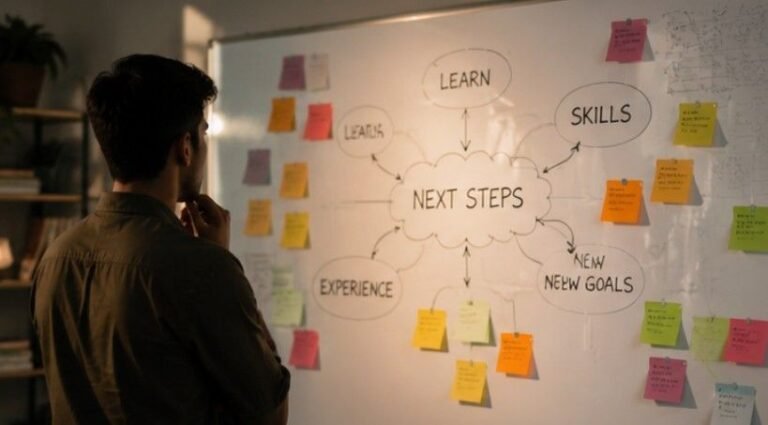
  • What to Do When You Feel Stagnant in Your Career in a Rut?

    What to Do When You Feel Stagnant in Your Career in a Rut?

    Waking up on a rainy Monday morning with a heavy sense of dread about opening your work laptop is a quiet alarm bell that your professional life has stopped moving forward. Knowing what to do when you feel stagnant in your career is essential for restoring your mental energy, professional confidence, and overall career wellbeing. 

    This guide explores practical pathways to break free from routine, rediscover your spark, and navigate your next professional chapter with clarity.

    Why Do Professional Ruts Happen?

    Feeling stuck at work can sometimes feel like being trapped in an elevator between floors where nothing moves and time stands still. Understanding what to do when you feel stagnant in your career turns this frustrating pause into a playful puzzle of self-discovery. Think of your job as a video game level where you have simply collected all the current coins and now need to find the hidden door to unlock the next exciting world.

    Workplace routines often creep up on us quietly until one day your daily tasks require zero cognitive effort and absolute zero excitement. Recognizing this slump early prevents deep frustration and opens the door to vibrant professional growth.

    Assess And Learn

    Evaluating your current professional standing allows you to pinpoint exact skill gaps and reignite your internal drive.

    Assess And Learn

    Review Your Skills

    Look closely at what you know right now and find what is missing to stay competitive in your specific field. Taking stock of your core competencies helps you identify outdated practices that might be holding you back from moving forward.

    Comparing your current output with industry standards provides a clear baseline for personal development. This honest self-audit is the foundational step toward reclaiming your professional momentum.

    Learn New Things

    Take an online class, study fresh software, or build a modern skill like data literacy to expand your toolkit. Engaging with new educational materials stimulates your curiosity and keeps your brain active during repetitive work cycles.

    Exploring fresh topics outside your immediate job description opens unexpected avenues for creative problem-solving. Consistency in small daily learning habits transforms a dull routine into an engaging intellectual adventure.

    Ask For Feedback

    Talk to your manager to find out where you can add more value and grow your professional influence. Constructive criticism highlights blind spots that you might overlook while working in isolation every single day.

    Establishing an open dialogue about your performance shows leadership that you care deeply about your professional journey. This proactive communication often unlocks mentorship opportunities and hidden internal projects.

    Make Changes At Work

    Injecting novelty and responsibility directly into your current role breaks the monotony of daily tasks.

    Make Changes At Work

    Take On Projects

    Volunteer for tasks outside your normal daily duties to test your interests and expand your workplace visibility. Stepping up for fresh assignments signals to your team that you are hungry for new challenges and leadership.

    Diversifying your daily workload prevents boredom from creeping back into your routine. These extra projects often serve as impressive bullet points for your future resume.

    Work Across Teams

    Reach out to other departments to help with their problems and gain new visibility across the organization. Collaborating with colleagues in different divisions exposes you to alternative workflows and fresh organizational perspectives.

    Building cross-functional relationships strengthens your internal network and creates allies for future career moves. Stepping outside your silo breathes new life into your standard workday.

    Fix Old Bottlenecks

    Find slow processes in your office and design better ways to fix them to maximize daily efficiency. Streamlining messy administrative workflows showcases your analytical prowess and problem-solving capabilities to senior management.

    Transforming a frustrating office roadblock into a smooth system delivers an instant dopamine boost of accomplishment. Creating positive operational changes leaves a lasting mark on your workplace culture.

    Explore The Outside World

    Looking beyond your current office walls reveals broader industry trends and new professional horizons.

    Explore The Outside World

    Build Connections

    Talk to people in your industry to learn about trends and hidden opportunities outside your company bubble. Networking with peers broadens your perspective and introduces you to mentors who have navigated similar career plateaus.

    Attending virtual industry meetups or local professional events keeps your finger on the pulse of the job market. Genuine human connections often lead to unexpected collaborations and career breakthroughs.

    Test The Market

    Look at job postings to see what skills other companies want and test your worth in the open market. Analyzing active job descriptions clarifies which emerging technologies and methodologies are currently in highest demand.

    Benchmarking your skills against external expectations builds your confidence and highlights any hidden gaps in your toolkit. Knowing your market value gives you immense peace of mind and strategic leverage.

    Plan Your Next Move

    Decide if you can grow where you are or if it is time to find a new job. Mapping out a realistic timeline for your next career transition ensures you move with intention rather than desperation.

    Weighing your current company loyalty against your long-term happiness empowers you to make courageous choices. Crafting a solid exit strategy or internal pivot plan turns career stagnation into a distant memory.

    Frequently Asked Questions

    1. What is the 3 month rule in a job?

    The three-month rule is an informal adjustment period allowing new hires or transferees to evaluate workplace culture, role fit, and daily expectations before committing long term to the position.

    2. At what age does your career peak?

    Career peaks vary widely by industry, though studies suggest peak earning and leadership potential often manifest between ages 40 and 50 as experience compounds across decades.

    3. How to get out of a stagnant job?

    Overcome a stagnant job by requesting new responsibilities, upskilling through online courses, networking internally, or updating your resume to target better external opportunities that match your goals.

    4. How do you know if your career is stagnating?

    You experience career stagnation when you feel chronic boredom, stop learning new skills, receive average performance reviews, and see no promotion or salary growth for years.

    Navigating Your Next Chapter

    When you feel stuck in your career, you should audit your skills, ask for new challenges, and expand your professional network. These steps help reignite growth, uncover blind spots, and reveal new paths forward. Embracing change requires courage, patience, and a willingness to step outside your comfort zone toward greater fulfillment.

    Your professional journey is a marathon rather than a sprint filled with natural ebbs and flows. By taking small, deliberate actions every single week, you pave the way for long-term career wellbeing and enduring success.

  • Signs You Need A Career Mental Health Day Before A Burnout

    Signs You Need A Career Mental Health Day Before A Burnout

    Some workdays feel unusually heavy. One email takes forever, small requests feel personal, and opening the laptop drains your energy. I have learned that noticing the signs you need a career mental health day early can protect your wellbeing, confidence, and ability to work well.

    A mental health day is a planned pause, not an escape from responsibility. It helps you recover, understand the strain, and return with stronger boundaries before pressure becomes a deeper wellbeing problem.

    Key Takeaways

    • Notice repeated changes.
    • Respect physical stress signals.
    • Rest with purpose.
    • Fix one work trigger.
    • Seek support when symptoms continue.

    Your Brain Needs A Breather

    Understanding the signs you need a career mental health day matters because burnout rarely arrives wearing a name badge. It often appears as forgotten tasks, short replies, tense shoulders, and a powerful wish to hide from Monday.

    Catching those clues early can protect your health, relationships, work quality, and career choices.

    Emotional And Mental Signs

    Mental strain often appears in your thoughts, reactions, and ability to handle ordinary work. Notice changes from your normal behavior, especially when they repeat for several days.

    Deep Dread

    Nerves before an important meeting are normal. Heavy worry every night, morning, or weekend is different. You may lie awake thinking about unfinished tasks or feel your mood drop whenever work comes to mind.

    Persistent dread can signal problems with workload, management, expectations, or workplace culture. A pause creates space to identify the source instead of pushing through.

    High Irritability

    Stress can reduce emotional patience. Friendly questions feel annoying, feedback sounds personal, and minor problems trigger anger that seems larger than the situation deserves.

    This does not make you a bad coworker. Your capacity may be overloaded. Timely rest can protect teamwork, client relationships, and your reputation.

    Lost Focus And Motivation

    You may stare at the screen, reread messages, forget familiar steps, or delay basic projects because starting feels impossible. Work that once felt manageable suddenly demands far more effort.

    Motivation may disappear too. You stop suggesting ideas, detach from results, or do only the minimum. These changes can reflect stress, career burnout, or another concern.

    Physical And Behavioral Signs

    Career strain can affect sleep, body, habits, and relationships, sometimes before you fully recognize how overwhelmed you have become.

    Physical And Behavioral Signs

    Constant Tiredness

    Ordinary tiredness improves after proper rest. Stress-related exhaustion may remain after a full night of sleep, a quiet weekend, or several early evenings.

    You may wake drained, rely on caffeine, or spend free time recovering. When rest no longer restores you, assess whether your pace is sustainable.

    Body Pain

    Stress headaches, tight shoulders, jaw clenching, stomach discomfort, appetite changes, and poor sleep can accompany prolonged pressure. Do not dismiss recurring symptoms as weakness or laziness.

    The National Institute of Mental Health explains that stress can affect mind and body. Severe or unexplained symptoms need professional attention.

    Withdrawal And Off-Hours Worry

    You may hide from team chats, avoid calls, skip coworker lunches, or withdraw from friends because conversation feels demanding. Brief solitude can help, but continuing isolation is a warning sign.

    Work may continue inside your head after your shift. Replaying conversations and checking late messages block recovery, especially when home and office boundaries disappear.

    How To Respond To Signs You Need A Career Mental Health Day

    Recognition is only the beginning. Use the day to recover and improve what happens after you return.

    How To Respond To Signs You Need A Career Mental Health Day

    Check The Pattern

    Compare your current mood, sleep, concentration, patience, energy, and work quality with your usual baseline. Ask whether the change followed one difficult event or has grown for weeks.

    Write down the triggers plainly. A deadline may need rest. Understaffing, bullying, unclear expectations, or constant availability may require a manager conversation or career decision.

    Ask Clearly

    Follow your employer’s sick leave, personal leave, or paid time off policy. You can say, “I am not feeling well and need to take today off,” without sharing private medical details.

    For planned leave, choose the date, hand over urgent work, and state what can wait. Avoid over-apologizing. Responsible leave supports performance.

    Recover And Reset

    Do not turn the day into a secret work session. Silence notifications, eat regular meals, rest, walk gently, and choose calming activities instead of creating another productivity challenge.

    Before returning, choose one change. Clarify a deadline, remove a meeting, set an after-hours boundary, request help, or discuss priorities. Addressing the trigger makes recovery useful.

    When One Day Is Not Enough

    When One Day Is Not Enough

    A mental health day can interrupt short-term overload, but it cannot fix every workplace problem. The World Health Organization explains that harmful working conditions can create mental health risks. Your health and career both benefit from timely, thoughtful course correction.

    If you improve away but crash after returning, the problem may be structural. Excessive demands, unfair treatment, poor support, or values conflict may require workplace changes.

    Stress, Burnout, And Depression

    Stress often centers on a specific demand and may ease when that pressure passes. Burnout is linked with long-term workplace stress and commonly involves exhaustion, detachment, and reduced professional effectiveness.

    Depression can affect mood, interest, sleep, appetite, concentration, and daily functioning. A day off cannot diagnose or treat it. Persistent symptoms deserve professional support.

    Ask For Wider Support

    Contact a therapist, doctor, employee assistance program, trusted manager, union representative, or human resources professional when symptoms continue, worsen, or interfere with everyday life.

    Keep requests specific. Ask for clearer priorities, safer conditions, flexibility, realistic deadlines, fewer after-hours demands, or leave. The CDC offers worker mental health guidance.

    Frequently Asked Questions

    1. How Do I Know If I Need A Mental Health Day From Work?

    You may need one when exhaustion, irritability, poor focus, work dread, physical tension, or falling performance repeats and feels noticeably different from your normal functioning.

    2. What Is The 42% Rule For Burnout?

    The 42% rule suggests allowing about ten hours daily for sleep and restorative care. It is a popular recovery guideline, not a medical formula, workplace law, or diagnostic test.

    3. What Are 10 Signs Of Good Mental Health?

    They include emotional awareness, flexible thinking, supportive relationships, healthy boundaries, realistic confidence, steady functioning, restorative sleep, useful coping skills, help-seeking, and resilience after setbacks.

    4. What Are Some Signs That My Job Is Making Me Depressed?

    Possible signs include lasting low mood, hopelessness, lost interest, sleep or appetite changes, fatigue, withdrawal, and poor concentration that continue outside work. A qualified professional should assess them.

    Clock Out Before You Burn Out

    Recognizing the signs you need a career mental health day lets you respond before stress controls your career and personal life. Take the pause seriously, study what drains you, and return with one clear boundary or request.

    A healthier career is not built by enduring everything quietly. It grows through recovery, honest reflection, supportive relationships, and working conditions that protect your wellbeing. The signs you need a career mental health day are warning signals, not a diagnosis. Use them to notice patterns, start an honest conversation, and choose suitable support.

  • How to Reduce Work Stress Without Quitting Your Job for Good

    How to Reduce Work Stress Without Quitting Your Job for Good

    Knowing how to reduce work stress without quitting is quite important. Mindfulness helps manage stress and keeps you grounded when feeling overwhelmed. Taking a few quiet moments during a hectic workday can completely change your mindset without requiring you to pack your desk. Sitting quietly for five minutes without scrolling through social media apps lets your nervous system finally settle down. 

    You can also practice gentle breathing exercises right at your desk to release physical tension stored in your shoulders and jaw. Journaling your racing thoughts on a small notepad helps clear mental clutter so you can tackle your next project with total clarity. 

    Key Takeaways

    • Spot exact daily stress triggers early.
    • Set firm digital boundaries after hours.
    • Take short micro-breaks to reset focus.
    • Apply the 42% rule for daily recovery.
    • Communicate openly with your supervisor.

    You Do Not Need to Quit Your Job to Find Peace

    Escaping a stressful office environment feels tempting when deadlines pile up high, but tossing your resignation letter on the table is rarely the only solution available. Learning how to reduce work stress without quitting lets you keep your steady paycheck while completely transforming your daily mental health and emotional well-being. Real relief comes from mastering clever boundary tactics and energy management rather than running away from career challenges.

    Setting Firm Workplace Boundaries to Protect Your Energy

    Protecting your personal time requires drawing clear lines around your availability so that work tasks do not bleed into your relaxing evenings.

    Setting Firm Workplace Boundaries to Protect Your Energy

    Say No Politely Without Feeling Guilty

    Politely declining extra tasks that do not fit your core job description or current capacity is an essential skill for protecting your sanity. Communicating your current workload limits with a kind smile helps colleagues understand your bandwidth without creating workplace tension. Protecting your schedule ensures you focus only on high-impact projects that actually matter to your professional growth.

    Turn Off Alerts Outside of Office Hours

    Mute email and chat notifications on your personal phone as soon as your official working hours come to an end every single day. Seeing constant work pings during dinner or relaxation time tricks your brain into staying in a high alert state of panic. Creating this digital buffer allows your nervous system to fully unwind and recover for the next morning.

    Set Hard Stop Times for Your Daily Tasks

    Pick a specific time on the clock to close your laptop lid and strictly promise yourself not to check messages later in the evening. Establishing a firm shutdown ritual signals to your brain that the workday is officially finished and personal time has begun. Respecting this daily cutoff boundary prevents exhaustion and helps you sleep much deeper.

    Managing Your Daily Time and Energy Smartly

    Optimizing how you spend your physical and mental fuel helps you survive busy office hours with a flexible work schedule without feeling completely drained by five o’clock.

    Prioritize Tasks With a Focused List

    Prioritize Tasks With a Focused List

    Make a short list of top goals each morning and focus on one single task at a time instead of attempting stressful multitasking. Knocking out your most important assignment first thing in the morning builds strong momentum and wipes out anxiety. Keeping your daily focus narrow stops your brain from freezing up under massive piles of unfinished paperwork.

    Take Micro Breaks Every Single Hour

    Step away from your computer screen for two minutes every hour to stretch your arms, walk down the hall, or breathe slowly. These tiny pauses reset your nervous system and prevent mental fatigue from building up silently throughout the afternoon. Regular physical movement keeps your eyes fresh and your creativity flowing smoothly.

    Protect Your Natural Peak Focus Hours

    Do your hardest work during the time of day when you have the most natural energy and mental clarity. Guarding these productive hours against unnecessary meetings allows you to finish difficult projects twice as fast with half the usual frustration. Aligning your schedule with your internal biological clock makes work feel remarkably effortless.

    Changing Your Mindset to Handle Office Pressure

    Shifting how you mentally process workplace chaos helps you stay calm, collected, and emotionally detached from temporary corporate drama.

    Changing Your Mindset to Handle Office Pressure

    Separate Your Identity From Your Job

    Remind yourself daily that your job is simply a transactional arrangement and does not define your personal worth, character, or emotions. Viewing your career as a role you play rather than who you actually are provides instant relief from performance anxiety. This healthy mental distance keeps your self-esteem safe when projects hit rough patches.

    Shift Your Perspective on Daily Crises

    Ask yourself honestly if the current office emergency will genuinely matter in a month or a year from now. Stepping back to look at the bigger picture shrinks minor workplace inconveniences down to their proper size. Cultivating this long-term view stops you from wasting precious emotional energy on things you cannot control.

    Frequently Asked Questions

    1. How to deal with extreme work stress?

    When intense stress hits, step away from your desk immediately for a short walk, practice slow deep breathing to lower your heart rate, and break large panicked tasks into tiny, manageable steps.

    2. What is the 42% rule for burnout?

    The 42% rule suggests spending about 42 percent of your time, which equals roughly ten hours in a day, resting, sleeping, or recovering to maintain sustainable energy levels.

    3. What are 10 ways to reduce stress at work?

    Track triggers, set digital boundaries, take micro-breaks, practice mindfulness, communicate with bosses, eat balanced meals, sleep well, single-task, delegate tasks, and seek professional career counseling.

    4. What are the top 10 causes of stress at work?

    Heavy workloads, unclear job expectations, toxic coworkers, poor management, job insecurity, low pay, lack of control, long hours, work-life imbalance, and rapid organizational changes.

    Sail Smoothly Through Your Career Journey

    Mastering how to reduce work stress without quitting allows you to reclaim your happiness, protect your career wellbeing, and enjoy your professional life again. By setting clear boundaries, managing your daily energy wisely, and shifting your mindset, you can transform your workday into a sustainable and fulfilling experience.