
I used to think my workday ended when I closed my laptop or walked out of the office. The problem was that my brain did not receive the same message. I could be sitting at home eating dinner while mentally replaying a meeting, composing tomorrow’s email, or worrying about an unfinished project.
Learning how to transition from work mode to home mode taught me that ending work requires more than stopping tasks. I need a psychological boundary between my professional responsibilities and personal life.
That boundary matters even more in today’s workplace. Remote jobs, hybrid schedules, smartphones, Slack messages, and constant email access can make work feel permanently open. A practical solution is to divide the transition into three stages: separate from work, bridge the gap, and intentionally arrive in home mode.
Why Does My Brain Stay in Work Mode After Hours?
Work stress does not disappear the moment the clock reaches 5 p.m. An unresolved assignment, difficult conversation, or packed schedule for tomorrow can keep the brain in problem-solving mode.
This is where psychological detachment from work becomes useful. It means mentally disengaging from professional responsibilities during nonwork hours instead of carrying them through dinner, family time, and bedtime.
I have found that trying to force myself to “stop thinking about work” rarely succeeds. Creating visible and repeatable signals works better. Those signals tell my brain that today’s responsibilities have been contained and that I can return to them tomorrow.
Phase 1: How Do I Properly Shut Down My Workday?
A good work-to-home transition begins before work actually ends.
Instead of working until the final possible second, I reserve approximately 10 to 15 minutes for a shutdown ritual whenever my schedule allows.
Do a Five-Minute Brain Dump
I start by getting unfinished thoughts out of my head.
I write down incomplete tasks, anything I am worried about, tomorrow’s priorities, and the first action I need to take the next morning. This gives open tasks a place to live besides my memory.
It also helps with rumination. Useful reflection ends with a decision or next step. Rumination simply repeats the same concern without producing a solution.
When I write, “Email the client at 9 a.m.,” I no longer need to mentally remind myself about the email all evening.
Close Your Digital Workplace
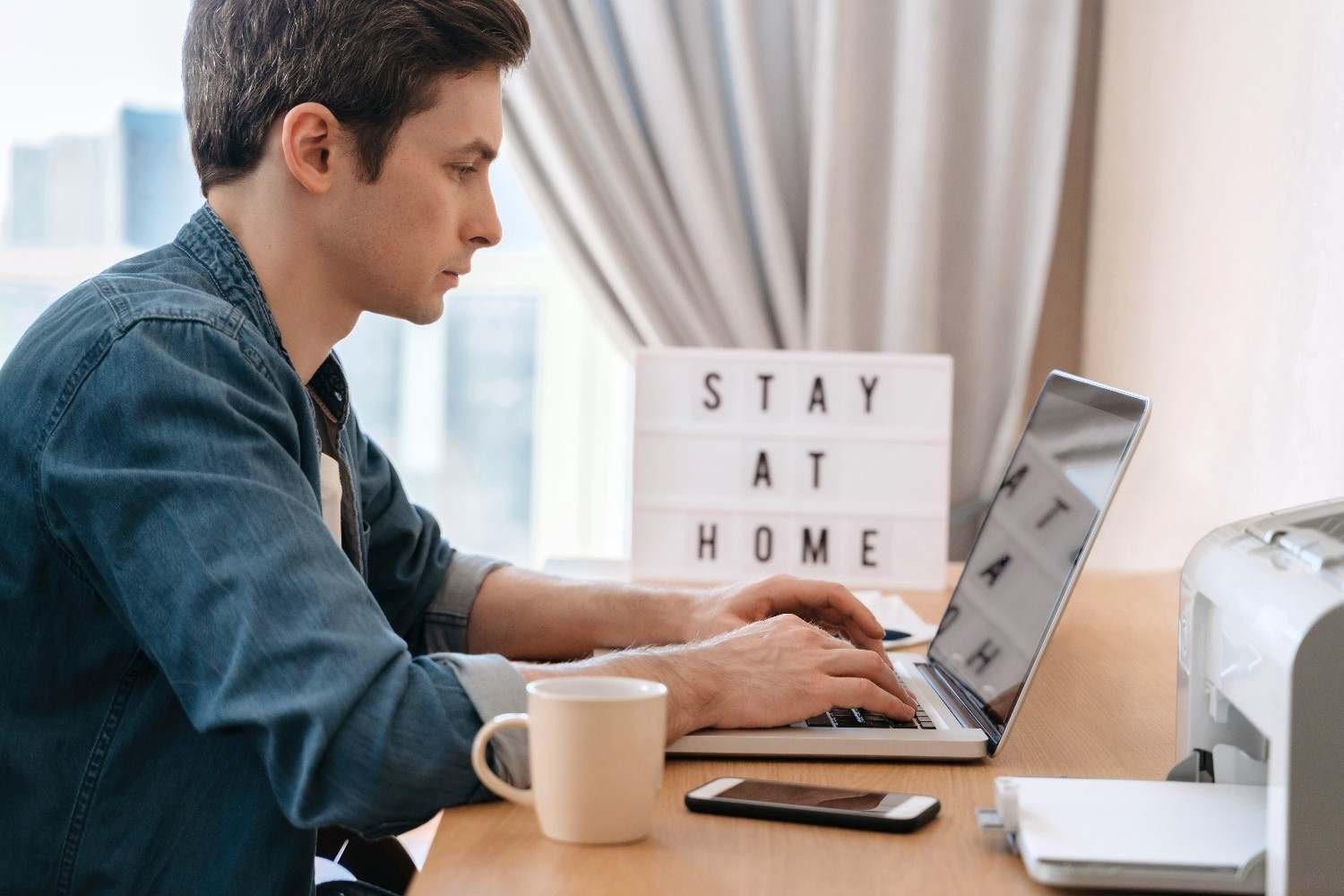
Next, I close unnecessary browser tabs, sign out of workplace messaging systems, and put work documents away.
Remote workers can go further by physically storing the laptop instead of leaving it open on the dining table or kitchen counter. Removing visible work cues creates a stronger separation between the home office and personal space.
I also use technology to enforce boundaries rather than undermine them. Focus or Do Not Disturb modes on iPhones and Android phones can silence routine work notifications after a scheduled time.
People who must remain available can create exceptions for genuine emergencies rather than allowing every email to interrupt the evening.
Phase 2: How Can I Create a Mini-Commute After Work?
A traditional commute provides something that remote work often removes: transition time.
Driving home, taking a train, or walking from an office naturally creates distance between professional and personal environments. When my workplace is only a few feet from my living room, I have to create that gap intentionally.
Take a 15- to 30-Minute Boundary Walk
A short walk is one of the simplest ways to build a fake commute.
After shutting down work, I can step outside, walk around the neighborhood, and return home as though I were arriving from an office.
The combination of movement, fresh surroundings, and time away from a screen helps break the continuity of the workday.
The walk does not have to be productive. I can listen to music or a non-work podcast, walk the dog, or simply pay attention to my surroundings.
Use Sensory Cues to Signal That Work Is Over
Our surroundings can reinforce routines.
Music, lighting, clothing, scents, and physical spaces can become transition signals when used consistently. I might put on a particular playlist, turn off the bright office lighting, make tea, or move from my workspace to another room.
These small sensory changes make the boundary more tangible.
Try a 30-Minute Tech Timeout
One mistake I try to avoid is closing my work computer and immediately opening social media on my phone.
That changes the content on the screen without necessarily giving my attention a chance to settle.
On especially demanding days, I prefer a short technology break. Walking, showering, preparing dinner, stretching, or spending time outside gives my nervous system a quieter transition.
I also avoid immediately spending 30 minutes telling my family every frustrating detail of the workday. Talking about a difficult day can be healthy, but repeatedly reliving it can keep me psychologically attached to work.
Phase 3: How Do I Fully Arrive in Home Mode?
The final stage involves doing something that clearly belongs to personal life.
This is where how to transition from work mode to home mode becomes less about stopping work and more about actively entering another role.
Change Out of Your Work Clothes
Changing clothes creates a surprisingly effective physical cue.
For office workers, that may mean replacing formal clothing with comfortable clothes. For remote workers, it can still help to change from whatever they associate with working into gym clothes or evening wear.
The tactile difference marks a shift in context.
Take a Shower and “Wash Off” the Workday
A quick shower can function as both a physical reset and a symbolic boundary.
After a stressful workday, I find that actions involving movement and sensation often work better than sitting down and demanding that my brain relax.
Stretching, showering, changing clothes, or washing my face can all become reliable post-work rituals.
Choose Active Leisure Instead of Automatic Scrolling
Once work has ended, I want something that draws my attention into the present. Learning how to stop checking work email at night also helps protect that shift, because even one quick inbox check can pull my attention straight back into work mode.
Cooking dinner, exercising, gardening, playing with the kids, reading, working on a hobby, or talking with someone I care about can make the transition feel complete.
The activity does not need to be productive. Rest counts.
My goal is simply to choose personal time deliberately rather than letting my workday dissolve into another hour of screens.
How Can Parents Switch From Work Mode to Family Mode?
Parents often cannot take a 30-minute decompression break because children may need attention immediately.
In that situation, I would shorten the ritual rather than abandon it.
I can write tomorrow’s first task, close my computer, silence notifications, take several slow breaths, leave the workspace, and change clothes. Then I can begin a consistent family activity such as preparing dinner, going outside with the kids, or sitting down together.
Even a two- to five-minute mental handoff can create separation when longer routines are unrealistic.
How Do I Stop Thinking About Work at Home?
When work thoughts keep returning, I ask myself what they actually need.
If a task needs action tomorrow, I write down the next step. If I am replaying a conversation I cannot change tonight, I acknowledge that no additional thinking will improve it. If tomorrow feels overwhelming, I identify the priority and stop planning.
The objective is not to eliminate every work-related thought. It is to stop feeding thoughts that require no action during personal time.
Clear work-life boundaries make that easier over time.
How Long Should an After-Work Transition Take?
There is no perfect length.
Some workers may feel reset after five minutes. Others may need 15 to 30 minutes after a demanding shift.
Consistency matters more than creating an elaborate routine.
A short sequence of shutting down tasks, silencing notifications, changing environments, moving your body, and beginning a personal activity can eventually become an automatic signal that the workday has finished.
Frequently Asked Questions (FAQs)
1. What is the fastest way to switch out of work mode?
Close your open tasks, write down tomorrow’s priority, silence nonessential notifications, physically leave your workspace, and perform one home-related action such as changing clothes, walking, showering, or preparing dinner.
2. Does a fake commute really help when working from home?
A fake commute can create environmental and psychological separation that remote workers otherwise lose. A short walk after work provides movement, a change of scenery, and a defined break before the evening begins.
3. Why do I keep thinking about work after I get home?
Unfinished tasks, workplace conflict, future deadlines, and constant digital notifications can keep your attention attached to work. Recording next steps and reducing work cues can make psychological detachment easier.
4. What is a good post-work ritual?
The best ritual is one you can repeat consistently. Closing work apps, taking a walk, changing clothes, showering, cooking dinner, exercising, or listening to music can all become effective cues.
5. How to transition from work mode to home mode when I have no downtime?
Keep the transition short. Spend two minutes closing work, recording tomorrow’s priority, silencing notifications, breathing slowly, and physically leaving the workspace before beginning your next responsibility.
Final Thoughts
I no longer expect my mind to switch roles just because the workday officially ends. I create the transition deliberately.
My preferred approach is simple: separate from work with a shutdown routine, bridge the gap with movement or a mini-commute, and integrate into home life through a recognizable personal ritual.
That routine does not need to be perfect. It simply needs to tell my brain that today’s work has a stopping point.
When I protect that boundary consistently, my evening feels more like my own time instead of an extension of the office.