Starting or expanding a craft brewery is fueled by passion for recipe innovation and community gathering. Yet behind every pint lies a stark financial reality: brewing is among the most capital-intensive manufacturing sectors in hospitality.
Stainless steel is expensive. Between custom brewhouses, pressurized cellars, and packaging machinery, outfitting a modern facility easily demands hundreds of thousands of dollars. Pouring your cash reserves into equipment leaves little cushion for ingredient cost spikes or seasonal taproom slowdowns. Strategic equipment financing bridges this gap, letting brewers acquire top-tier machinery while safeguarding liquidity. Here is what you must know about equipment costs, cellar additions, packaging lines, and smart lending options.
The Real Cost of Core Brewery Equipment: What to Expect
Outfitting a commercial craft brewery typically ranges from $150,000 for a small taproom nanobrewery to well over $1,500,000 for a 15- to 30-barrel regional production facility.
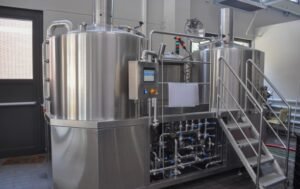
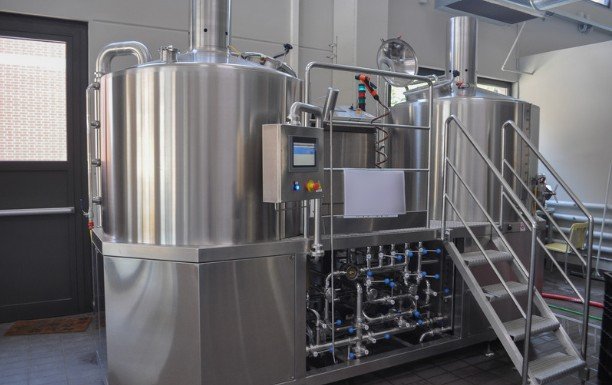
Every dollar counts when designing your setup. The primary cost driver is your brewhouse—the mash tun, lauter tun, boil kettle, and whirlpool. A complete 7-barrel (BBL) two-vessel system typically costs between $60,000 and $120,000, while a 15-BBL system easily exceeds $250,000 before freight. Initial capital must also cover transfer pumps, heat exchangers, and control panels.
When seeking brewhouse expansion capital, lenders examine how your proposed volume balances taproom retail margins against wholesale distribution. Under-sizing your system forces multiple shifts to meet demand, sharply increasing labor overhead.
Investing in the Cellar: Fermentation Tanks and Brite Tanks
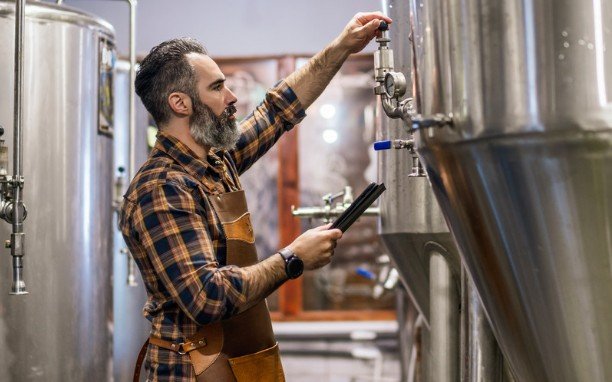
Fermenters and brite tanks generally cost between $8,000 and $30,000 per vessel depending on barrel capacity, cooling jackets, and pressure ratings.
While your brewhouse determines daily output, your cellar dictates total capacity. A standard 7-BBL jacketed unitank costs roughly $9,000 to $14,000, while a 30-BBL fermenter can surpass $25,000. Brite tanks for carbonating and holding beer add further capital requirements.
Adding two to four fermenters is often the fastest way to double production without replacing your brewhouse. Financing these modular additions lets new batch revenue cover the monthly payment, creating an immediate return on investment.
The Packaging Dilemma: Mobile Canning vs. In-House Automation
Financing an in-house canning line costs between $45,000 and $250,000, but eliminates per-can mobile canning fees and grants complete control over packaging schedules.
For emerging breweries, off-premise sales in cans provide critical brand visibility and taproom to-go revenue. Initially, many operations hire mobile canning services, which charge around $0.35 to $0.55 per can plus travel fees. While mobile canning requires zero equipment capital, it erodes profit margins and forces breweries to schedule packaging days weeks in advance, risking beer sitting too long in brite tanks.
Investing in canning line automation—from entry-level 15-can-per-minute semi-automated systems to 50+ can-per-minute automated rotary lines with inline depalletizers and date coders—flips this dynamic. Financing a $90,000 automated canning system over four or five years often costs less per month than paying recurring mobile canning invoices for high-volume batches, while keeping canning margins entirely in-house.
Equipment Lease vs. Equipment Loan: Structuring Your Debt
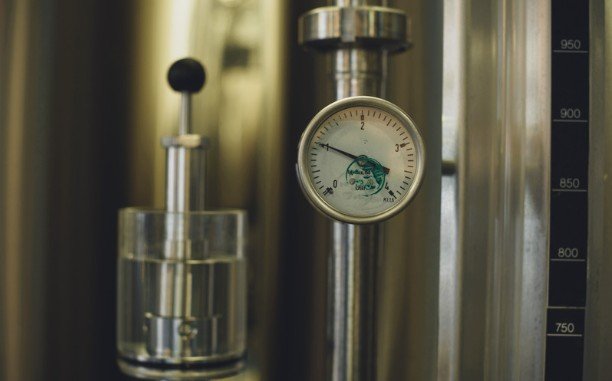
Equipment loans grant immediate asset ownership and tax depreciation benefits, while equipment leases offer lower upfront cash requirements and flexible end-of-term buyout options.
Choosing the right structure comes down to your tax strategy and cash flow priorities. Examining an equipment lease versus loan structure highlights distinct advantages:
- Equipment Loans: With a traditional equipment loan, the lender finances 80% to 100% of the purchase price, using the stainless steel itself as collateral. You retain asset ownership from day one, allowing you to take advantage of IRS Section 179 tax deductions to write off the equipment cost in year one.
- Capital Leases ($1 Buyout): Function similarly to a loan. You finance the machinery, pay a monthly lease rate, and purchase the equipment for a nominal sum (like $1) at the end of the term.
- Fair Market Value (FMV) Leases: Ideal for equipment that rapidly becomes obsolete, such as high-tech lab equipment or packaging automation. Monthly payments are lower, and at the end of the lease, you can return, upgrade, or buy out the equipment at fair market value.
Securing SBA Loans for Brewhouse Expansions
SBA 7(a) and 504 loan programs provide government-backed brewery financing with lower down payments, longer repayment windows up to 10 years, and capped interest rates.
When conventional commercial lenders shy away from craft beverage startups due to specialized equipment risks, government-guaranteed financing steps in. The Small Business Administration’s 7(a) and 504 loan programs are widely considered the gold standard for independent beverage manufacturing. They allow breweries to bundle machinery, real estate buildout, plumbing, and working capital into a single loan facility.
When planning a large-scale taproom buildout or upgrading your cellar capacity, securing an SBA loan in Salt Lake City or working with an SBA-preferred regional lender can offer favorable 10-year terms and lower down payments than traditional commercial financing. Established community and regional lenders understand the regional manufacturing landscape, walking owners through the complex application process and accelerating turnaround times.
Overlooked Costs: Installation, Utilities, and Infrastructure
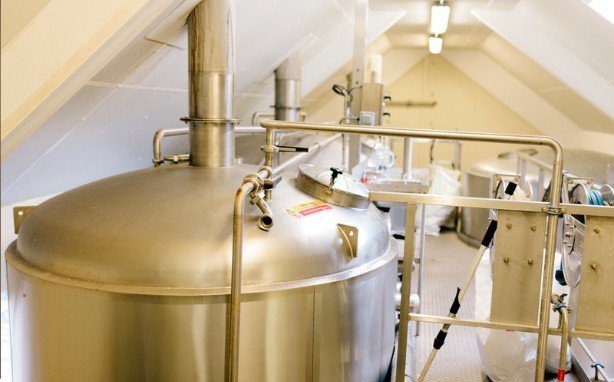
The purchase price of brewery equipment typically accounts for only 60 to 70 percent of the total installation and commissioning budget. Evaluating needs versus wants helps you prioritize essential equipment while reserving funds for installation, utility connections, and commissioning.
A common pitfall is budgeting solely for the metal. Offloading multi-ton vessels with specialized rigging services often runs $5,000 to $15,000 alone. Essential utility and facility upgrades must also be incorporated into your financing budget:
- Glycol Chillers: Multi-stage chillers to maintain cellar fermentation temperatures (15,000–45,000).
- Steam Boilers and Gas Lines: High-output commercial boilers and venting (20,000–55,000).
- Electrical Upgrades: Adding 3-phase, 480V service for canning motors and grain mills (15,000–30,000).
- Sloped Drainage and Flooring: Chemical-resistant urethane coatings and trench drains (25,000–60,000).
A Practical Checklist Before Signing Equipment Financing Terms
Before executing equipment lease or loan paperwork, review these critical checkpoints:
- Verify Vendor Payment Terms: Confirm whether your lender handles progress payments, as overseas or custom equipment manufacturers often require 30% down, 60% before shipping, and 10% upon delivery.
- Account for Freight and Import Tariffs: International shipping containers, customs clearance, and harbor freight can add 10% to 20% to your invoice.
- Audit Lead Times Against Debt Service: Never begin full debt payments while equipment sits in a three-month fabrication queue; negotiate deferred payment terms or interest-only periods during installation.
- Inspect Used Equipment Liens: If financing refurbished tanks, run a thorough UCC lien search to ensure previous lenders do not hold claims against the asset.
Brewery equipment financing is not merely about covering the price tag of stainless steel; it is a fundamental tool for protecting liquidity, controlling product quality, and scaling your operation sustainably. By understanding the true financial scope of fermentation tanks and packaging machinery, budgeting for critical infrastructure, and selecting an optimal lending structure, you preserve the working capital necessary to run a resilient, thriving craft beverage enterprise.