

Operating a small business requires constant vigilance over cash flow and operating margins. When market volatility, rising supply costs, and inflationary pressures squeeze profitability, business owners must find sustainable ways to curb expenditures without sacrificing service quality.
Achieving long-term fiscal resilience does not demand drastic downsizing or harmful budget slashes; instead, strategic refinements across daily workflows, vendor relationships, administrative tasks, and facilities can systematically reduce overhead while elevating operational output.
Streamline Supply Chain Logistics and Shipping Workflows

Freight transportation, inventory handling, and product distribution represent significant cost centers for product-based enterprises. Inefficient shipping models, unoptimized pallet space, and frequent expedited deliveries quietly erode profit margins across every sales cycle.
Small enterprises frequently make the mistake of paying for full truck capacity when moving partial cargo loads across regional or national distribution channels.
Transitioning smaller pallet shipments toward reliable LTL freight services allows companies to share trailer space with other shippers, paying strictly for the volume occupied while lowering transportation costs. Consolidating shipments on set delivery schedules further minimizes fuel surcharges and handling fees.
Additionally, auditing inbound freight invoices uncovers billing discrepancies, incorrect freight classifications, and redundant accessorial fees.
Establishing partnerships with trusted third-party logistics brokers allows small businesses to leverage aggregated volume discounts, securing competitive shipping rates typically reserved for large corporate enterprises.
Optimizing Pallet Densities to Reduce Wasted Space
Standardizing carton sizes and training warehouse personnel in secure, high-density pallet stacking prevents wasted vertical cargo clearance.
Maximizing trailer volume utilization reduces total required dispatches, lowering shipping frequency and handling expenses. Proper palletizing cuts transportation overhead.
Auditing Freight Invoices for Discrepancy Prevention
Reviewing carrier billing statements line by line catches recurring billing errors, unwarranted detention fees, and incorrect weight calculations.
Automating invoice reconciliations ensures claims are disputed promptly, recovering lost capital and protecting shipping budgets. Systematic audits ensure billing accuracy.
Automate Routine Administrative and Clerical Tasks

Manual clerical operations consume immense employee hours, generating excessive payroll overhead while increasing human error in invoicing, scheduling, and customer data entry.
Automating repetitive back-office functions liberates valuable workforce hours for revenue-generating initiatives.
Modern cloud-based business platforms can automate routine accounts payable notifications, invoice generation, customer appointment reminders, and employee time-tracking.
Replacing paper-based ledgers and disparate spreadsheets with unified operational software shortens administrative cycles from days to minutes, preventing costly invoicing delays.
Furthermore, integrating automated customer relationship management workflows ensures client inquiries receive immediate responses without requiring constant staff monitoring.
Automated communication funnels nurture sales leads, process routine returns, and address basic service questions, enabling small teams to support large customer bases efficiently.
Automating Invoicing and Payment Reconciliation
Deploying automated billing systems sends digital invoices immediately upon project completion, accelerating payment collection cycles significantly.
Automated payment reminders nudge delinquent accounts systematically, lowering collection overhead and curbing bad debt write-offs. Automated invoicing improves daily cash flow.
Once payment collection becomes more predictable, business owners can use that financial visibility to calculate owner pay for a small business while balancing personal compensation with operating expenses.
Utilizing Digital Form Routing to Eliminate Paperwork
Switching from physical paper forms to digitized signatures and electronic document processing removes printing, storage, and shredding costs.
Digital document archiving allows employees to locate client contracts instantly, streamlining internal cross-departmental reviews. Paperless administration drives office productivity.
Re-evaluate Facility Footprints and Hybrid Work Policies

Commercial office leases, industrial utility bills, and facility maintenance obligations represent major fixed liabilities for small firms. With flexible work models now mainstream, maintaining underutilized commercial real estate creates needless operational waste.
Evaluate physical workspace utilization to determine whether downsizing, lease renegotiations, or transitions to hybrid work schedules can lower facility overhead. Transitioning team members to hybrid schedules reduces required desk footprints, allowing businesses to sublease unused square footage or relocate into smaller, energy-efficient offices.
For companies requiring physical shopfronts or production spaces, conducting professional commercial energy audits reveals substantial cost-saving opportunities. Upgrading to programmable smart thermostats, insulating drafty warehouse loading docks, and retrofitting lighting fixtures with long-lasting commercial light-emitting diodes slashes monthly utility expenditures permanently.
Downsizing Real Estate Through Hybrid Work Models
Permitting administrative staff to alternate between home and in-office schedules reduces physical desk requirements and parking space leases.
Smaller facility footprints yield substantial savings on commercial lease payments, janitorial contracts, and property insurance policies. Hybrid scheduling trims property costs.
Retrofitting Facilities with High-Efficiency Energy Systems
Replacing legacy metal halide high-bay warehouse lights with commercial light-emitting diodes cuts facility power draw by over fifty percent.
Installing smart programmable thermostats ensures heating and cooling systems dial back during weekends and overnight hours. Energy retrofits permanently lower utility bills.
Negotiate Vendor Contracts and Leverage Bulk Purchasing
Vendor relationships should never remain entirely static; service rates, raw material costs, and supplier terms require periodic review. Passive renewals on recurring service agreements frequently mean businesses pay above current market rates for essential supplies.
Conduct annual audits of all vendor agreements, covering internet bandwidth, telephone infrastructure, software licenses, raw materials, and cleaning services. Contact existing suppliers to request competitive rate reviews, citing on-time payment histories and long-term brand loyalty to secure volume discounts or favorable net-payment terms.
Small businesses can also band together through group purchasing organizations or industry trade cooperatives. By pooling purchasing power with peer businesses, independent operators access tiered wholesale pricing, lower minimum order thresholds, and reduced unit costs on core consumables and packaging supplies.
Conducting Annual Supplier Rate Benchmarking
Collecting competitive bids from alternative vendors provides clear leverage when renegotiating annual service contracts with existing partners.
Securing longer payment windows, such as thirty- to sixty-day net terms, preserves operational working capital for emergency needs. Vendor benchmarking sharpens purchasing terms.
Joining Trade Cooperatives for Volume Buying Power
Participating in regional purchasing cooperatives grants small businesses access to corporate-tier volume discounts on equipment and raw supplies.
Lowering per-unit procurement costs expands gross margins on manufactured goods and retail merchandise alike. Cooperative purchasing levels the commercial playing field.
Optimize Inventory Control and Minimize Carrying Costs
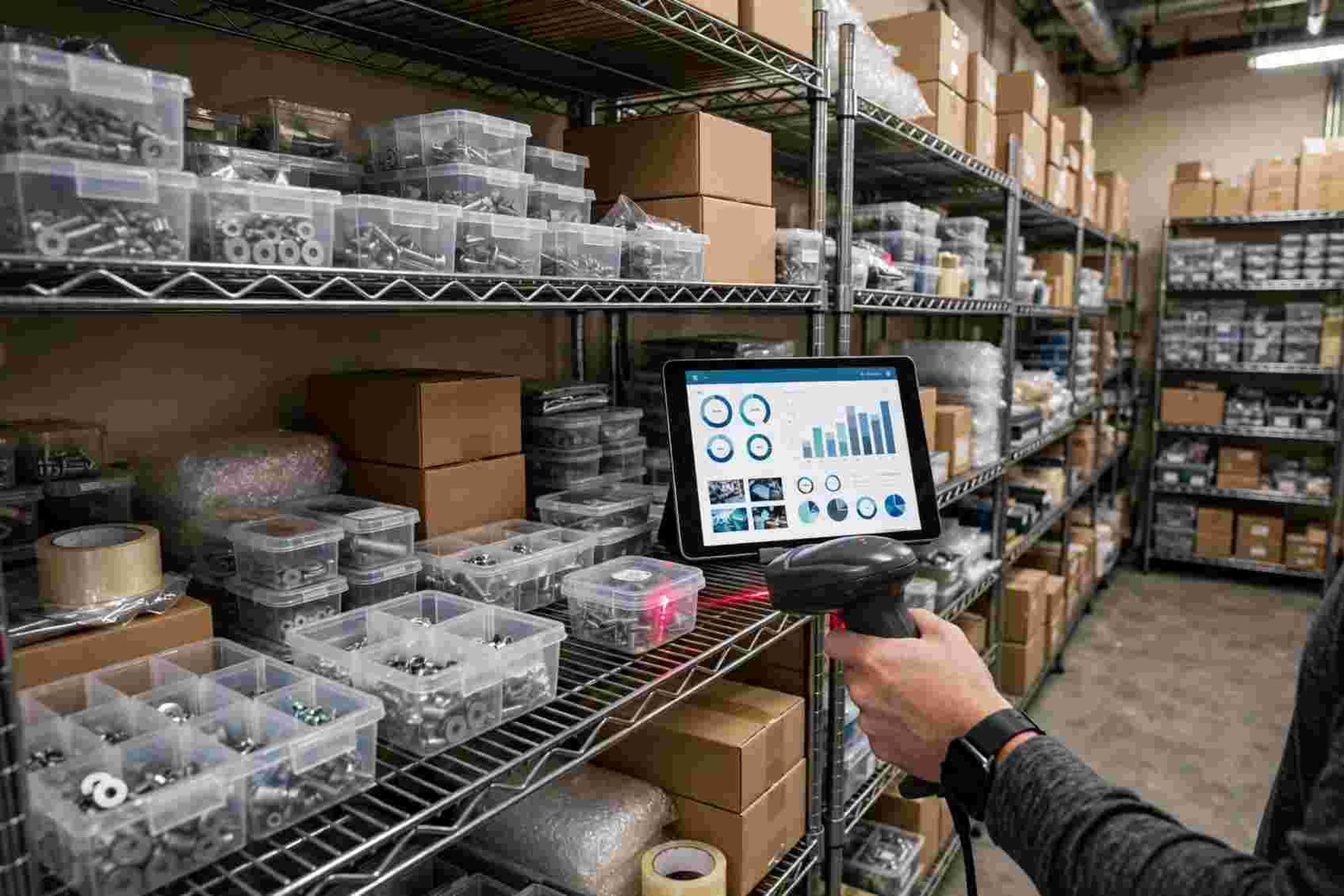
Excess inventory ties up working capital, consumes warehouse storage space, and exposes businesses to risks of damage, obsolescence, and theft. Conversely, poor inventory planning causes stockouts that damage client trust and surrender sales to competitors.
Embracing just-in-time inventory methodologies aligns raw material procurement and wholesale stock orders closely with verified customer demand. Tracking inventory turns across every individual stock-keeping unit highlights slow-moving products, enabling managers to discount dead stock and clear valuable shelf space.
Managing inventory efficiently also supports efforts to cap business growth sustainably by keeping operational demands aligned with available resources and working capital.
Implementing modern inventory management software utilizing automated barcode tracking provides real-time visibility into current stock levels across all sales channels. Accurate stock tracking prevents panic ordering, eliminates duplicate supply orders, and ensures capital remains liquid rather than trapped on warehouse shelves.
Liquidating Stagnant Stock to Recover Trapped Capital
Identifying slow-moving items through turnover analytics allows businesses to run targeted clearance promotions and recoup tied-up funds.
Eliminating obsolete inventory frees warehouse shelving for fast-turning, profitable merchandise that fuels positive cash flow. Inventory liquidation frees tied-up liquidity.
Deploying Just-In-Time Stock Replenishment Protocols
Setting automated reorder thresholds ensures inventory replenishes only when current stock reaches verified safety minimums.
Preventing surplus inventory accumulation reduces storage insurance, handling labor, and physical shrinkage risks. Just-in-time purchasing balances inventory investments.
Invest in Employee Cross-Training and Retention Initiatives
Workforce recruitment, onboarding, and training represent substantial hidden operational costs for small businesses. High employee turnover rates drain company resources, disrupt daily service delivery, and place exhausting burdens on remaining personnel.
Cross-training staff members across complementary operational disciplines builds internal organizational resilience. When administrative, sales, or fulfillment personnel understand multiple roles, businesses can navigate seasonal demand spikes and unexpected employee absences smoothly without relying on expensive emergency temporary staffing agencies.
Furthermore, cultivating a supportive workplace culture that emphasizes professional growth, clear performance metrics, and competitive non-monetary perks drives employee retention. Retaining skilled, experienced workers preserves operational knowledge, minimizes costly workflow mistakes, and stabilizes operational efficiency over the long term.
Cross-Training Support Teams for Flexible Workflows
Training customer service representatives in basic order fulfillment allows front-line teams to assist packing lines during holiday volume surges.
Versatile employees prevent operational bottlenecks, ensuring order processing timelines remain consistent during unexpected staff illness. Cross-training enhances business agility.
Enhancing Retention to Minimize Onboarding Expenses
Providing career development opportunities, recognition programs, and flexible scheduling builds strong employee loyalty and job satisfaction.
Retaining seasoned staff preserves institutional knowledge, cuts recruitment marketing fees, and prevents training downtime. Focused retention safeguards business continuity.
Conclusion
Reducing operational expenses is an ongoing strategic discipline that empowers small businesses to thrive amidst changing economic climates.
By streamlining freight logistics, automating administrative tasks, rightsizing commercial facilities, renegotiating supplier terms, optimizing inventory control, and investing in workforce cross-training, business owners can systematically eliminate operational waste.
Lowering operational overhead without compromising product excellence unlocks vital capital reserves, strengthens cash flow, and creates an adaptable foundation capable of driving sustainable, long-term commercial growth.
Once you’ve improved cash flow and reduced operating expenses, establishing a sustainable owner compensation strategy becomes equally important. Explore how to pay yourself during lean business months for practical financial guidance.