

A purchase can feel harmless until the package arrives and the excitement disappears. Learning how to identify emotional spending triggers helps you catch the feeling before it becomes a credit card balance, clutter, or regret.
I do not treat emotional spending as a character flaw. I treat it as a pattern with clues. Those clues usually appear shortly before an unplanned purchase.
Why Emotional Spending Is Easy to Miss
Emotional spending is not limited to shopping when you feel sad. People may buy things because they feel stressed, bored, lonely, tired, proud, excited, or excluded.
Research has linked impulse buying with emotional arousal, negative moods, time pressure, and weakened self-control.
The purchase may still appear logical. You might describe it as a reward, an upgrade, or a limited-time opportunity. The revealing question is whether you wanted the item or wanted to change your mood.
That distinction sits at the heart of how to identify emotional spending triggers without blaming yourself.
Step 1: Audit Your Unplanned Purchases
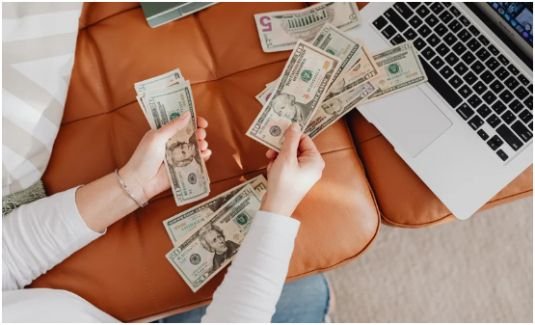
Review the last three months of bank and credit card statements. Mark anything that was not planned, budgeted, or genuinely needed.
Do not focus only on large transactions. A repeated $15 purchase may reveal more about your habits than one unusual $300 expense.
The Consumer Financial Protection Bureau recommends tracking expenses because it provides clarity about spending habits and supports better financial decisions.
Connect Purchases With Real-Life Events
Compare purchase dates with your calendar, messages, work schedule, and social activities. Look for difficult meetings, arguments, deadlines, celebrations, poor sleep, or quiet weekends.
This transaction-to-event comparison helps explain how to identify emotional spending triggers in practical terms.
Instead of saying, “I shop too much,” you may discover, “I browse home décor after stressful work calls.” The second statement gives you something specific to address.
Look for Timing and Shopping Patterns
Check when and where each purchase happened. Common patterns include:
- Late-night shopping on a phone
- Lunch-break browsing after difficult meetings
- Payday splurges
- Weekend boredom shopping
- Purchases triggered by social media
- Decisions made during countdown sales
Time pressure deserves special attention. Research suggests it can increase emotional impulse buying by pushing people toward immediate reactions instead of careful evaluation.
Step 2: Keep a Spending Mood Log
Bank statements show what you purchased. A spending mood log reveals what happened before the urge appeared.
For 30 days, record every urge to buy something nonessential. Include urges that do not become completed purchases.
Record the time, item, price, emotion, situation, urge strength, and final decision. One entry might look like this:
“10:45 p.m.; sneakers; $89; restless and insecure; saw a fitness creator; urge 8/10; left in cart.”
I focus on urges because they reveal successful pauses as well as completed purchases. That creates a more accurate picture than reviewing transactions alone.
Track Negative, Positive, and Social Triggers
Negative emotional spending triggers may include stress, exhaustion, boredom, loneliness, anxiety, anger, or low self-esteem.
Positive triggers can be equally powerful. You may spend after receiving praise, finishing a project, getting paid, or deciding that you “deserve” a reward.
Social triggers often begin with comparison. A friend’s vacation, a coworker’s new device, or an influencer’s outfit can quietly redefine what feels necessary.
Research on mindfulness and online impulse buying suggests that stronger awareness and self-regulation may reduce impulsive purchasing behavior. A mood log creates that moment of awareness before checkout.
Step 3: Map the Emotional Arc of a Purchase
To understand how to identify emotional spending triggers, examine the entire emotional lifecycle of a purchase.
Before buying, you may feel anxious, under-stimulated, excluded, or mentally drained. During checkout, you may experience relief, excitement, anticipation, or a sense of control.
Afterward, the feeling may shift into guilt, regret, secrecy, or indifference.
A rapid emotional drop after checkout is an important clue. The product may have served as short-term mood management rather than meeting a practical need.
This does not mean every joyful purchase is unhealthy. Planned treats can support a balanced life. Problems appear when shopping becomes repetitive, secretive, uncontrollable, or harmful to financial goals.
Step 4: Use the Trigger Triangle

The original method I use for how to identify emotional spending triggers is the Trigger Triangle. It connects three pieces of information:
- Cue: What happened immediately before the urge?
- Need: What feeling or experience were you seeking?
- Cost: What did the purchase take from your present or future priorities?
The cost is not limited to the price. It may include credit card interest, lost savings, household clutter, relationship stress, or delayed goals.
A Worked Example
Imagine spending $64 on skincare after a difficult video call with your manager.
The cue was criticism during the call. The underlying need was reassurance and control. The cost was $64 removed from your emergency fund and another product added to a full cabinet.
The useful conclusion is not, “I must never buy skincare.”
A better conclusion is, “Work criticism makes me seek confidence through appearance-related purchases.”
That statement identifies a clear emotional trigger. It also makes prevention easier because you can prepare another response for stressful workdays.
Step 5: Replace Shopping With the Right Response
A generic “stop shopping” rule often fails because it removes the action without addressing the underlying need.
Match the replacement activity to the emotion:
- Stress may require a walk, shower, workout, or quiet break.
- Boredom may require a game, project, book, or new skill.
- Loneliness may require a call, voice message, or shared activity.
- Celebration may require a planned treat already covered by your budget.
Before buying, Ask to yourself some mindful spending questions to ask before buying. Ask whether the item offers lasting usefulness or only promises a temporary emotional change.
The better your substitute matches the underlying need, the less willpower you must rely on.
Step 6: Create an Interruption Routine
Knowing how to identify emotional spending triggers only helps when you create enough time to choose a different response.
Use a 24-hour waiting period for nonessential purchases. For expensive items, extend that delay to 48 or 72 hours.
Remove stored payment details from shopping sites. Unsubscribe from promotional texts, mute shopping accounts, and move tempting apps away from your home screen.
The Federal Trade Commission recommends shopping with a list and budget because having a plan makes impulse purchases less tempting.
Before checkout, apply a simple two-question test:
“Am I buying this for its practical use?”
“Am I buying this to change how I feel right now?”
Answering yes to the second question does not automatically ban the purchase. It simply means the decision deserves a pause.
When Emotional Spending Needs More Support

Occasional retail therapy differs from compulsive buying.
Consider seeking professional support when spending feels uncontrollable, creates serious debt, causes secrecy, damages relationships, or continues despite repeated negative consequences.
Research has associated compulsive buying-shopping problems with emotional regulation difficulties and symptoms such as anxiety and depression.
A licensed mental health professional can address emotional patterns. A reputable nonprofit credit counselor can help with budgets, debt, and repayment options.
Your Cart Is Not Your Therapist
The goal is not to remove emotion from every financial decision. That would be unrealistic. The goal is to notice when a temporary feeling starts making long-term decisions on your behalf.
Review your last three months of transactions today. Find one repeated situation, emotion, or shopping time.
That single pattern is enough to begin how to identify emotional spending triggers and create a response that protects both your mood and your money.
Frequently Asked Questions
1. What are the most common emotional spending triggers?
Stress, boredom, loneliness, fatigue, celebration, social comparison, anger, and low self-esteem are common triggers.
2. How can I identify emotional spending patterns quickly?
Match unplanned transaction dates with your mood, calendar, location, shopping channel, and events from that day.
3. How long should I track emotional spending urges?
Track urges for 30 days to capture weekday, weekend, payday, work, and social patterns.
4. Can learning how to identify emotional spending triggers stop impulse buying?
It can reduce impulse buying by revealing repeat cues and creating a deliberate pause before checkout.