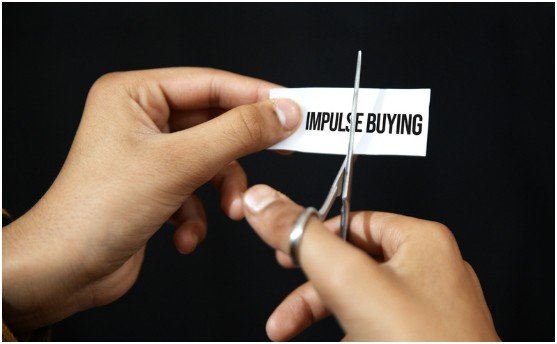
Blog

  • How to Identify Emotional Spending Triggers and Stop

    How to Identify Emotional Spending Triggers and Stop

    A purchase can feel harmless until the package arrives and the excitement disappears. Learning how to identify emotional spending triggers helps you catch the feeling before it becomes a credit card balance, clutter, or regret.

    I do not treat emotional spending as a character flaw. I treat it as a pattern with clues. Those clues usually appear shortly before an unplanned purchase.

    Why Emotional Spending Is Easy to Miss

    Emotional spending is not limited to shopping when you feel sad. People may buy things because they feel stressed, bored, lonely, tired, proud, excited, or excluded.

    Research has linked impulse buying with emotional arousal, negative moods, time pressure, and weakened self-control.

    The purchase may still appear logical. You might describe it as a reward, an upgrade, or a limited-time opportunity. The revealing question is whether you wanted the item or wanted to change your mood.

    That distinction sits at the heart of how to identify emotional spending triggers without blaming yourself.

    Step 1: Audit Your Unplanned Purchases

    Audit Your Unplanned Purchases

    Review the last three months of bank and credit card statements. Mark anything that was not planned, budgeted, or genuinely needed.

    Do not focus only on large transactions. A repeated $15 purchase may reveal more about your habits than one unusual $300 expense.

    The Consumer Financial Protection Bureau recommends tracking expenses because it provides clarity about spending habits and supports better financial decisions.

    Connect Purchases With Real-Life Events

    Compare purchase dates with your calendar, messages, work schedule, and social activities. Look for difficult meetings, arguments, deadlines, celebrations, poor sleep, or quiet weekends.

    This transaction-to-event comparison helps explain how to identify emotional spending triggers in practical terms.

    Instead of saying, “I shop too much,” you may discover, “I browse home décor after stressful work calls.” The second statement gives you something specific to address.

    Look for Timing and Shopping Patterns

    Check when and where each purchase happened. Common patterns include:

    • Late-night shopping on a phone
    • Lunch-break browsing after difficult meetings
    • Payday splurges
    • Weekend boredom shopping
    • Purchases triggered by social media
    • Decisions made during countdown sales

    Time pressure deserves special attention. Research suggests it can increase emotional impulse buying by pushing people toward immediate reactions instead of careful evaluation.

    Step 2: Keep a Spending Mood Log

    Bank statements show what you purchased. A spending mood log reveals what happened before the urge appeared.

    For 30 days, record every urge to buy something nonessential. Include urges that do not become completed purchases.

    Record the time, item, price, emotion, situation, urge strength, and final decision. One entry might look like this:

    “10:45 p.m.; sneakers; $89; restless and insecure; saw a fitness creator; urge 8/10; left in cart.”

    I focus on urges because they reveal successful pauses as well as completed purchases. That creates a more accurate picture than reviewing transactions alone.

    Track Negative, Positive, and Social Triggers

    Negative emotional spending triggers may include stress, exhaustion, boredom, loneliness, anxiety, anger, or low self-esteem.

    Positive triggers can be equally powerful. You may spend after receiving praise, finishing a project, getting paid, or deciding that you “deserve” a reward.

    Social triggers often begin with comparison. A friend’s vacation, a coworker’s new device, or an influencer’s outfit can quietly redefine what feels necessary.

    Research on mindfulness and online impulse buying suggests that stronger awareness and self-regulation may reduce impulsive purchasing behavior. A mood log creates that moment of awareness before checkout.

    Step 3: Map the Emotional Arc of a Purchase

    To understand how to identify emotional spending triggers, examine the entire emotional lifecycle of a purchase.

    Before buying, you may feel anxious, under-stimulated, excluded, or mentally drained. During checkout, you may experience relief, excitement, anticipation, or a sense of control.

    Afterward, the feeling may shift into guilt, regret, secrecy, or indifference.

    A rapid emotional drop after checkout is an important clue. The product may have served as short-term mood management rather than meeting a practical need.

    This does not mean every joyful purchase is unhealthy. Planned treats can support a balanced life. Problems appear when shopping becomes repetitive, secretive, uncontrollable, or harmful to financial goals.

    Step 4: Use the Trigger Triangle

    Use the Trigger Triangle

    The original method I use for how to identify emotional spending triggers is the Trigger Triangle. It connects three pieces of information:

    1. Cue: What happened immediately before the urge?
    2. Need: What feeling or experience were you seeking?
    3. Cost: What did the purchase take from your present or future priorities?

    The cost is not limited to the price. It may include credit card interest, lost savings, household clutter, relationship stress, or delayed goals.

    A Worked Example

    Imagine spending $64 on skincare after a difficult video call with your manager.

    The cue was criticism during the call. The underlying need was reassurance and control. The cost was $64 removed from your emergency fund and another product added to a full cabinet.

    The useful conclusion is not, “I must never buy skincare.”

    A better conclusion is, “Work criticism makes me seek confidence through appearance-related purchases.”

    That statement identifies a clear emotional trigger. It also makes prevention easier because you can prepare another response for stressful workdays.

    Step 5: Replace Shopping With the Right Response

    A generic “stop shopping” rule often fails because it removes the action without addressing the underlying need.

    Match the replacement activity to the emotion:

    • Stress may require a walk, shower, workout, or quiet break.
    • Boredom may require a game, project, book, or new skill.
    • Loneliness may require a call, voice message, or shared activity.
    • Celebration may require a planned treat already covered by your budget.

    Before buying, Ask to yourself some mindful spending questions to ask before buying. Ask whether the item offers lasting usefulness or only promises a temporary emotional change.

    The better your substitute matches the underlying need, the less willpower you must rely on.

    Step 6: Create an Interruption Routine

    Knowing how to identify emotional spending triggers only helps when you create enough time to choose a different response.

    Use a 24-hour waiting period for nonessential purchases. For expensive items, extend that delay to 48 or 72 hours.

    Remove stored payment details from shopping sites. Unsubscribe from promotional texts, mute shopping accounts, and move tempting apps away from your home screen.

    The Federal Trade Commission recommends shopping with a list and budget because having a plan makes impulse purchases less tempting.

    Before checkout, apply a simple two-question test:

    “Am I buying this for its practical use?”

    “Am I buying this to change how I feel right now?”

    Answering yes to the second question does not automatically ban the purchase. It simply means the decision deserves a pause.

    When Emotional Spending Needs More Support

    When Emotional Spending Needs More Support

    Occasional retail therapy differs from compulsive buying.

    Consider seeking professional support when spending feels uncontrollable, creates serious debt, causes secrecy, damages relationships, or continues despite repeated negative consequences.

    Research has associated compulsive buying-shopping problems with emotional regulation difficulties and symptoms such as anxiety and depression.

    A licensed mental health professional can address emotional patterns. A reputable nonprofit credit counselor can help with budgets, debt, and repayment options.

    Your Cart Is Not Your Therapist

    The goal is not to remove emotion from every financial decision. That would be unrealistic. The goal is to notice when a temporary feeling starts making long-term decisions on your behalf.

    Review your last three months of transactions today. Find one repeated situation, emotion, or shopping time.

    That single pattern is enough to begin how to identify emotional spending triggers and create a response that protects both your mood and your money.

    Frequently Asked Questions

    1. What are the most common emotional spending triggers?

    Stress, boredom, loneliness, fatigue, celebration, social comparison, anger, and low self-esteem are common triggers.

    2. How can I identify emotional spending patterns quickly?

    Match unplanned transaction dates with your mood, calendar, location, shopping channel, and events from that day.

    3. How long should I track emotional spending urges?

    Track urges for 30 days to capture weekday, weekend, payday, work, and social patterns.

    4. Can learning how to identify emotional spending triggers stop impulse buying?

    It can reduce impulse buying by revealing repeat cues and creating a deliberate pause before checkout.


  • Building a Life With Greater Purpose Without Chasing Perfection

    Building a Life With Greater Purpose Without Chasing Perfection

    For a long time, I believed I needed to have everything figured out before I could say I was living with purpose. I thought purpose meant finding the perfect career, making all the right decisions, and reaching milestones that would finally make life feel complete. The more I chased that idea, the more I realized I was spending my energy trying to create a perfect future instead of appreciating the life I was already building.

    What changed wasn’t a major event. It was a series of small decisions that helped me slow down and pay attention to what genuinely mattered. I stopped asking whether every choice would lead me to success and started asking whether it reflected my values. That shift made building a life with greater purpose feel less overwhelming and much more achievable.

    Why Purpose Doesn’t Have to Be a Grand Plan

    Why Purpose Doesn't Have to Be a Grand Plan

    Many people think purpose arrives in one defining moment, but that’s rarely how it works. More often, it grows through everyday experiences, meaningful relationships, and choices that reflect who we want to become.

    It’s easy to compare ourselves with people who seem to have everything mapped out. Social media, career expectations, and personal milestones can make it feel like everyone else has found their direction. In reality, most people are still figuring things out, and that’s perfectly normal.

    Purpose isn’t something you discover once and keep forever. It changes as your priorities, experiences, and responsibilities evolve.

    Start With Your Values Instead of Your Goals

    Goals can give you something to work toward, but values help you decide whether you’re heading in the right direction. Without a clear understanding of what matters most, it’s easy to spend years chasing achievements that don’t bring lasting fulfillment.

    Take a moment to think about the qualities you admire in others. Maybe it’s kindness, curiosity, honesty, creativity, or resilience. Those qualities often reveal the values you want your own life to reflect.

    When decisions become difficult, values provide a steady compass. They make it easier to choose opportunities that align with the kind of person you want to become instead of simply following external expectations.

    Progress Matters More Than Perfection

    Perfection has a way of convincing us to wait. We tell ourselves we’ll start when we have more experience, more confidence, or more time. The problem is that those perfect conditions rarely arrive.

    Purpose grows through action, not endless preparation. Doing something imperfectly teaches lessons that planning never can. Every mistake becomes useful information instead of evidence that you’ve failed. Over time, those experiences create confidence because you’ve learned how to adapt instead of trying to avoid every possible setback.

    Many successful people didn’t begin with perfect plans. They began by taking one small step and adjusting along the way.

    Build Purpose Into Your Daily Routine

    Build Purpose Into Your Daily Routine

    Meaningful living doesn’t depend on dramatic life changes. It’s often built through ordinary habits that quietly shape each day.

    A few practical habits can make a lasting difference:

    • Spend a few minutes reflecting on what mattered most each day.
    • Protect time for activities that energize you instead of constantly reacting to demands.
    • Celebrate consistent effort rather than waiting for major achievements.

    Small routines repeated consistently often have a greater impact than occasional bursts of motivation.

    Protect Your Time From Constant Distraction

    One of the biggest challenges today isn’t a lack of opportunity. It’s a lack of attention.

    Notifications, endless scrolling, and constant digital communication can quietly pull us away from the people and experiences that matter most. Purpose becomes harder to recognize when every spare moment is filled with noise.

    Creating healthier boundaries around technology gives your mind room to think, reflect, and reconnect with what feels meaningful. That’s one reason why slow living improves mental wellbeing has become an increasingly important conversation. Slowing down doesn’t mean giving up ambition. It means making space for the parts of life that often get overlooked.

    Accept That Your Purpose Will Change

    Accept That Your Purpose Will Change

    Many people feel pressure to identify one lifelong purpose, but life rarely follows a straight path.

    The interests you have today may evolve in five or ten years. Your responsibilities will change. New experiences will shape your perspective. Instead of resisting those changes, allow your purpose to grow alongside them.

    Staying open to change doesn’t mean lacking direction. It means recognizing that personal growth continues throughout life.

    Fulfillment Comes From Showing Up

    There will always be unfinished goals and opportunities you haven’t explored yet. That’s true for everyone.

    The difference is that fulfillment usually comes from showing up consistently instead of waiting until everything feels perfect. When your daily actions reflect your values, even ordinary moments begin to carry a greater sense of meaning.

    Purpose isn’t measured by how impressive your life looks from the outside. It’s measured by whether your choices feel honest to the person you want to become.

    FAQs: Building a Life With Greater Purpose Without Chasing Perfection

    1. Can I have a meaningful life without knowing my exact purpose?
    Yes. Purpose often develops through everyday experiences. Taking small, value-driven actions helps create clarity over time instead of waiting for one defining moment.

    2. Does perfectionism prevent personal growth?
    It can. Constantly chasing flawless results often delays progress, while accepting mistakes makes learning and improvement much easier.

    3. How can I make everyday life feel more purposeful?
    Focus on habits that reflect your values, protect your time, build strong relationships, and notice the small moments that bring genuine satisfaction.

    4. Why do people lose their sense of purpose?
    Major life changes, burnout, comparison, or feeling disconnected from personal values can create that feeling. Regular reflection and intentional choices often help rebuild direction.

    The Life You Build Is Shaped by the Choices You Repeat

    Looking back, I realize purpose didn’t appear when everything finally came together. It grew through ordinary mornings, difficult conversations, unexpected setbacks, and the quiet decision to keep moving forward even when I wasn’t completely sure of the outcome. Those moments didn’t feel extraordinary at the time, but together they shaped a life that felt more authentic than any perfect plan ever could.

    You don’t have to wait until life feels complete before you begin living with purpose. Sometimes the next small step is all you need.

  • Intentional Decisions That Improve Happiness When Life Feels Too Busy

    Intentional Decisions That Improve Happiness When Life Feels Too Busy

    There was a time when I thought happiness would naturally show up once I finished everything on my to-do list. I kept telling myself that after one more deadline, one more errand, or one more busy week, life would finally slow down. It never did. Every completed task was quickly replaced by another, and I realized I was spending more time managing my schedule than actually enjoying my life.

    That changed when I stopped looking for bigger moments and started paying attention to smaller decisions. I didn’t overhaul my routine overnight. Instead, I made a few intentional choices that helped me feel less rushed, less distracted, and more present. Looking back, those simple shifts have had a far greater impact on my happiness than any major life change ever has.

    Why Happiness Often Starts With Smaller Decisions

    Why Happiness Often Starts With Smaller Decisions

    It’s easy to believe that happiness comes from reaching a milestone like a promotion, a new home, or a long-awaited vacation. Those moments certainly matter, but they don’t shape our everyday experience as much as the choices we repeat every single day.

    Intentional living is really about deciding what deserves your time, energy, and attention before life decides for you. The more your daily habits reflect your priorities, the easier it becomes to feel calm instead of constantly trying to catch up.

    Decide When Your Day Is Good Enough

    One of the most helpful changes I made was deciding what a successful day actually looked like before it even started.

    Instead of carrying an endless list of unfinished tasks into the evening, I chose three meaningful priorities. Once those were complete, I gave myself permission to stop working without feeling guilty.

    That simple “done” threshold removed the constant feeling that I should always be doing more. It also made it easier to appreciate what I had accomplished instead of focusing on everything left unfinished.

    Give Your Mind a Few Quiet Minutes

    Give Your Mind a Few Quiet Minutes

    For a long time, every spare moment in my day was filled with something. Music during a walk, podcasts while driving, videos while cooking, and notifications throughout the day left almost no room for silence.

    Creating a short low-stimulation break changed that. Even fifteen quiet minutes without a screen or background noise gave my mind space to process thoughts that had been buried beneath constant input.

    Those moments didn’t feel productive at first, but they gradually became some of the most valuable parts of my day. A quieter mind made better decisions.

    Protect Your Time Before Someone Else Uses It

    Saying yes is often easier than saying no, especially when opportunities sound exciting, or people need your help.

    I eventually realized that every commitment quietly replaces something else. Accepting another meeting might mean skipping a workout. Agreeing to another weekend plan could mean giving up time to recharge.

    That’s why I started asking one simple question before saying yes: “Is this something I genuinely want to do?”

    If the answer wasn’t clear, I usually declined. That single habit created more space for the things that actually mattered.

    Stop Checking Everything All the Time

    Stop Checking Everything All the Time

    I used to check emails and messages whenever my phone lit up. It felt efficient, but it constantly interrupted whatever I was doing.

    Now I check communication at a few planned times during the day instead of reacting every few minutes.

    The difference surprised me. I felt more focused, finished work faster, and stopped carrying the feeling that someone always needed my attention. Protecting my focus turned out to be one of the simplest happiness habits I could build.

    Remove Decisions That Don’t Matter

    Not every decision deserves your energy.

    Small choices like what to wear, what to cook every night, or when to pay monthly bills can quietly add to decision fatigue. Individually, they seem insignificant, but together they create mental clutter.

    Planning meals for the week, setting automatic bill payments, or simplifying everyday routines frees up attention for conversations, creative work, and meaningful experiences.

    Saving mental energy for important decisions often feels more rewarding than constantly making new ones.

    Focus on What Adds Value, Not Just Activity

    Focus on What Adds Value, Not Just Activity

    Being busy can easily create the illusion of progress.

    I’ve noticed that some of my happiest weeks weren’t the busiest ones. They were the weeks when I spent time with people I cared about, walked without checking my phone, read a few chapters of a good book, and finished the day feeling present instead of exhausted.

    Those experiences reminded me that fulfillment rarely comes from squeezing more into the calendar. It comes from making room for the things that deserve to stay there.

    That’s one reason I believe building a life with greater purpose starts with everyday decisions instead of dramatic life changes.

    Why Intentional Living Feels Different

    Intentional living isn’t about controlling every minute of the day. It’s about making enough thoughtful choices that your life starts reflecting what truly matters to you.

    Some days will still feel busy. Plans will change, deadlines will appear, and unexpected responsibilities will arrive. But when your biggest decisions already reflect your values, those disruptions become easier to manage because your foundation stays the same.

    Happiness often grows quietly through consistency, not perfection.

    FAQs: Intentional Decisions That Improve Happiness When Life Feels Too Busy

    1. What are intentional decisions?
    Intentional decisions are choices made with purpose rather than habit or pressure. They align your actions with your values and long-term priorities instead of reacting to every demand.

    2. Can small decisions really improve happiness?
    Yes. Small daily choices shape your routine, reduce stress, and create a greater sense of control. Over time, those consistent habits often have a bigger impact than occasional major achievements.

    3. Why do busy people struggle to feel happy?
    Constant activity can lead to decision fatigue, distraction, and limited time for rest. Without clear boundaries, it’s easy to stay productive while feeling emotionally drained.

    4. How can I start living more intentionally?
    Begin with one manageable change. Protect quiet time, limit unnecessary commitments, or simplify a routine. Small adjustments are easier to maintain and usually lead to lasting improvements.

    The Choices You’ll Remember Years From Now

    When I think about the happiest periods of my life, I don’t remember checking off every task or staying busy from morning until night. I remember conversations that lasted longer than expected, evenings that felt unhurried, and the quiet confidence that came from knowing I had spent my time on what truly mattered. Those moments weren’t accidents. They were the result of small, intentional decisions made over and over again.

    Life rarely slows down on its own. Sometimes happiness begins the moment we choose to slow ourselves down.

  • Mindful Spending Questions to Ask Before Buying Guide

    Mindful Spending Questions to Ask Before Buying Guide

    A purchase can feel urgent even when the need is not. I use mindful spending questions to ask before buying to separate useful choices from emotional reactions. The aim is to spend on purpose without letting stress or marketing control the decision.

    The Consumer Financial Protection Bureau defines an impulse purchase as an unplanned buy that may cause someone to spend more than they can afford. A short decision process is more useful than guilt after checkout. l Spending Questions to Ask Before Buying Work

    Willpower weakens when a countdown timer, low-stock alert, or one-click checkout creates pressure. Research links time pressure with impulsive buying, especially when emotion drives the choice. The Federal Trade Commission also warns that some online “dark patterns” manipulate shoppers or hide key terms. as a speed bump that shifts my focus from “Can I get it?” to “Does it deserve the cost?”

    The PAUSE Test for Better Purchase Decisions

    The PAUSE Test for Better Purchase Decisions

    My PAUSE test condenses mindful spending questions to ask before buying into five filters. I can use it quickly for a small purchase. I give larger purchases at least 24 hours.

    P: What Am I Feeling Right Now?

    I name my current state. Am I bored, stressed, lonely, tired, disappointed, or celebrating? The emotion does not make the purchase wrong. It may show that I am buying relief rather than value.

    If I would not want the item on a calm Tuesday morning, I wait.

    This question separates a useful purchase from emotional spending. Sometimes I do not need another product. I need sleep, connection, entertainment, movement, or a break from work.

    A: What Could I Use Instead?

    I check what I already own. Can I reuse, repair, rent, borrow, or repurpose something?

    Then I name one alternative use for the money. A $120 purchase might reduce a credit card balance or move a savings goal forward. A specific trade-off feels more real than a vague promise to save.

    I also ask whether I own something that performs the same function. Two products can look different while solving the same problem. This is common with kitchen gadgets, clothing, electronics, skincare, and organizational products.

    U: What Is the Full Cost?

    The price tag is only the entry fee. I add sales tax, shipping, interest, subscriptions, accessories, maintenance, and replacement costs.

    I also divide the full price by my after-tax hourly income. This reveals the energy cost. A purchase completed in three taps may represent eight hours of work.

    “Could I afford two?” is a useful comfort check, but it is not a financial law. If buying two would empty my cash buffer, one may still be too tight.

    For essentials, I focus instead on cash flow, payment timing, durability, and practical alternatives. A necessary refrigerator should not fail the test simply because I cannot comfortably buy two refrigerators.

    S: Does It Deserve My Space and Attention?

    Every possession may need storage, cleaning, updating, or disposal. I estimate its likely cost per use.

    A $200 coat worn 100 times costs $2 per wear. A $60 gadget used twice costs $30 per use and may occupy a cabinet for years.

    I also ask whether I will want the item in 30 days. I use a 24-hour pause for small wants and seven to 30 days for costly, financed, or space-consuming purchases.

    The waiting period is not punishment. It gives the initial excitement time to fade. A genuine need usually survives the pause.

    E: Which Goal Does This Purchase Support?

    The last filter tests the “fantasy self.” Does the item support my real routine and current goals?

    Running gear does not create a running habit. I look for evidence, such as a scheduled activity, a replacement need, or frequent use of a borrowed version.

    I also ask what goal loses funding when I say yes. The answer could be a vacation, emergency savings, debt repayment, home improvement, or a less stressful month.

    These mindful spending questions to ask before buying fund the person I already choose to be, not the lifestyle advertised to me.

    A Worked Example: The $180 Espresso Machine

    A Worked Example: The $180 Espresso Machine

    Suppose I want a $180 pod espresso machine after a difficult workweek. It initially feels like self-care.

    The PAUSE test reveals that I want a reward. I already own a working coffee maker. Pods may add $12 monthly, making the first-year cost about $324.

    At $25 in after-tax hourly income, the purchase equals about 13 hours of work.

    It also duplicates an existing function and creates recurring costs. I place it on a 14-day list, then compare used machines and refillable systems.

    After the waiting period, I might still decide to buy it. The difference is that I would understand the total commitment instead of reacting to a difficult afternoon.

    This example shows why mindful spending questions to ask before buying should examine the first-year cost, not only the checkout price.

    Questions for Common Buying Traps

    Certain shopping situations need an extra layer of scrutiny. Sales, financing offers, influencer recommendations, and social comparison can make weak purchases feel reasonable.

    Is the Deal Creating False Urgency?

    I ask whether I would buy the item at its normal price. If not, I may want the discount more than the product.

    I ignore countdowns and review the return policy before paying. “Only two left” does not prove that the product belongs in my home.

    A discount saves money only when I planned to buy the item. An unplanned $80 purchase marked down from $120 still costs $80.

    Am I Financing a Want?

    Installments make a total price feel smaller. I rewrite the plan as one full number, then check due dates, fees, and existing obligations.

    Four payments of $45 are still a $180 purchase. I also consider what happens if another bill arrives before the final installment.

    If an item only feels affordable after its price is fragmented, I pause. I also use how to stop impulse buying without feeling deprived to replace harsh restriction with a realistic fun-money allowance.

    Am I Shopping for My Fantasy Self?

    I ask whether the item fits my actual week. I require a date, place, or routine that proves likely use.

    A formal outfit needs a real event. Camping equipment needs a planned trip. An advanced online course needs time reserved on my calendar.

    Without evidence, I may be purchasing an imagined identity rather than a useful item.

    Am I Buying Approval?

    I imagine that nobody will see the item. Would I still want it?

    This question exposes purchases driven mainly by status, comparison, or social media pressure. It also helps me distinguish personal taste from the desire to impress someone else.

    Make Mindful Spending Questions to Ask Before Buying Automatic

    Make Mindful Spending Questions to Ask Before Buying Automatic

    The best mindful spending questions to ask before buying appear at the decision point. I keep five prompts in my phone:

    1. What am I feeling?
    2. What do I already own?
    3. What is the full first-year cost?
    4. How often will I use it?
    5. Which goal wins if I say no?

    I remove saved payment details and review transactions weekly.

    Used consistently, mindful spending questions to ask before buying turn a pause into a repeatable money habit.

    CFPB research found that more than 90% of participants wanted real-time spending feedback and believed it could curb impulse spending. similar feedback without buying another app. A banking alert, weekly transaction review, wish list, or spending note can make the consequences visible before small purchases become a large monthly total.

    Frequently Asked Questions

    1. What should I ask before an impulse purchase?

    Ask whether it solves a real need, fits your budget, duplicates something, and will matter after a waiting period.

    2. How long should I wait before buying something unnecessary?

    Wait 24 hours for small wants and seven to 30 days for expensive, financed, or space-consuming items.

    3. Does mindful spending mean never buying fun things?

    No. It means choosing enjoyment deliberately without harming bills, savings, or debt goals.

    4. Can these questions help with online shopping?

    Yes. Mindful spending questions to ask before buying interrupt urgency, reveal hidden costs, and weaken manipulative checkout cues.

    Buy It—or Let It Go With Style

    I do not need to turn every purchase into a moral test. I only need enough distance to make a clear choice.

    The next time something lands in my cart, I will use mindful spending questions to ask before buying and name the trade-off.

    If the item survives emotion, alternatives, full cost, ownership burden, and goal alignment, I can buy it confidently. If it fails, I close the tab and keep the money.

    That is not deprivation. That is my future self getting the final vote.

  • Two Wrongs, One Right: Plot, Characters and Tropes

    Two Wrongs, One Right: Plot, Characters and Tropes

    Some romances begin with a meet-cute. Two Wrongs, One Right begins with unfinished business, a secret marriage, and two people who have spent years pretending their relationship is over. That sharper setup signals a steamy second-chance romance driven by old love, anger, and forced proximity.

    Katee Robert’s 2013 novel follows former Army sergeant Nathan Schultz and Chelsea Callaghan. Nathan walked away eight years earlier. Now he wants another chance, even when his methods cross uncomfortable lines.

    Chelsea arrives at a wedding seeking closure. Instead, the reunion exposes chemistry neither character has resolved. The author identifies Nathan and Chelsea as the central couple and describes the story as a reunited-lovers, second-chance romance.

    Why the Premise Works

    Why the Premise Works

    The strongest hook is not simply that former lovers meet again. Their past still carries emotional and practical consequences.

    Nathan and Chelsea cannot treat the reunion as harmless nostalgia. Their original relationship ended without honest closure, leaving both characters trapped in different versions of the same story.

    The Past Is Still Present

    Nathan regrets leaving Chelsea. Chelsea has built her adult life around rules, restraint, and the damage caused by making one major exception for him.

    That imbalance gives Two Wrongs, One Right more tension than a routine reunion story. Nathan approaches the wedding as a final campaign. Chelsea approaches it as an ending.

    Each believes the other owes them something. As a result, every romantic exchange also becomes a negotiation over the past.

    A Wedding Forces the Truth

    The wedding setting acts as a pressure cooker. Public celebrations demand smiles, closeness, and romantic performance.

    Nathan uses that environment to keep Chelsea near him. Chelsea fights to retain control and secure the closure she came to demand.

    The official synopsis says Nathan pressures Chelsea into acting like part of a happy couple for the weekend. Their chemistry returns before either repairs the emotional damage.

    The contrast works well. Everyone nearby celebrates commitment while Nathan and Chelsea confront one they never properly resolved.

    Spoiler-Light Plot Summary of Two Wrongs, One Right

    Spoiler-Light Plot Summary of Two Wrongs, One Right

    Image source: Goodreads

    Chelsea receives an invitation to an old high school friend’s wedding and suspects Nathan arranged it. She attends to confront him and finally close their unfinished chapter.

    Nathan has a different plan. He pressures her into remaining close and participating in his performance as a happy partner.

    The plot then turns on three questions. Has Nathan’s regret genuinely changed him? Can Chelsea separate desire from trust? Can reconciliation work when both people still use control as protection?

    I see the novel’s real conflict as emotional accountability rather than physical attraction. Nathan and Chelsea already know they want each other.

    The harder issue is whether desire gives either person the right to dictate the terms of reconciliation.

    Nathan and Chelsea’s Character Dynamic

    Nathan Schultz: Determined but Controlling

    Nathan treats reconciliation like a mission. That focus makes him decisive, but it also makes him manipulative.

    He believes action can repair the years he lost. Chelsea needs evidence that he understands the harm his earlier choices caused.

    His appeal comes from visible regret, confidence, and fierce devotion. His risk comes from confusing determination with entitlement.

    Readers who enjoy possessive heroes may find that energy compelling. Readers sensitive to coercive behavior may struggle with parts of the setup.

    Chelsea Callaghan: Dutiful but Defiant

    Chelsea’s conflict extends beyond resisting an ex. She has spent years following expectations and containing the one relationship that once broke her rules.

    Nathan’s return threatens the identity she constructed after losing him.

    Chelsea works best when viewed as an active participant rather than a prize Nathan must win. Her anger creates necessary friction. Her lingering attraction creates vulnerability.

    Her decisions determine whether the story becomes a genuine reconciliation or another repetition of their old mistakes.

    Second-Chance Romance and Major Tropes

    Second-Chance Romance and Major Tropes

    Reunited Lovers With Emotional Baggage

    The central trope is second-chance romance. The author’s official page also connects the novel with reunited lovers, a destination wedding, bargaining, a former military hero, and explicit sexual content.

    The book also uses forced proximity, an unresolved marriage, contrasting emotional styles, and a possessive-hero dynamic.

    These elements make Two Wrongs, One Right fast and intense. They also ensure the romance relies more on confrontation than gentle rebuilding.

    Power, Consent, and High-Heat Content

    This is an adult, open-door romance. The author’s content information references explicit sex and BDSM. The premise also includes blackmail or coercive bargaining.

    Those details shape the reading experience and should not be treated as minor background elements.

    Nathan is presented as a hero willing to fight dirty. Some readers will enjoy that intensity. Others may feel his behavior weakens the emotional repair needed for a convincing second chance.

    Checking the content information first allows readers to approach the romantic fantasy on informed terms.

    My Five-Stage Relationship Pressure Map

    My original framework for understanding the story uses five stages: wound, trap, performance, exposure, and choice.

    The wound is Nathan leaving Chelsea. The trap is the wedding weekend that prevents an easy exit. The performance is their public role as a happy couple.

    Exposure arrives when attraction and resentment break through that performance. Choice comes when both characters must decide whether their shared past will control their future.

    This structure explains why Two Wrongs, One Right moves quickly without relying on instant love. The relationship already exists.

    The novel uncovers it, tests it, and forces both characters to renegotiate it under pressure.

    Come Undone Series Reading Order

    The novel is Book 3 in Katee Robert’s four-book Come Undone series.

    The official reading order is Wrong Bed, Right Guy, Chasing Mrs. Right, Two Wrongs, One Right, and Seducing Mr. Right.

    The main conflict belongs to Nathan and Chelsea. However, reading the earlier books may provide additional context for the connected characters and happy relationships Nathan observes around him.

    An unabridged audiobook is also available. Google Play lists Rebecca Gibel as the narrator and gives the recording a runtime of five hours and fourteen minutes.

    Who Should Read This Book?

    Two Wrongs, One Right suits readers who enjoy high heat, second chances, possessive heroes, unresolved marriages, destination-wedding tension, and couples who argue as fiercely as they desire each other.

    It may not suit readers seeking a slow burn, low-conflict courtship, closed-door intimacy, or a hero who consistently respects emotional distance.

    The bargaining and blackmail elements are too central to dismiss as minor details. Readers should consider those themes before choosing the book.

    Frequently Asked Questions

    1. What is Two Wrongs, One Right about?

    It follows Nathan Schultz and Chelsea Callaghan as a wedding reunion forces them to confront their unresolved marriage, anger, and attraction.

    2. Is Two Wrongs, One Right part of a series?

    Yes. It is the third novel in Katee Robert’s four-book Come Undone series.

    3. Is the book spicy?

    Yes. The author identifies explicit sexual content and BDSM in the book’s content information.

    4. Does the story contain uncomfortable themes?

    The setup includes blackmail, coercive bargaining, possessive behavior, and unresolved emotional harm.

    The Verdict: Messy, Hot, and Not Over

    I would recommend Two Wrongs, One Right to readers who want romance filled with heat, history, and sharp emotional conflict.

    Its most interesting question is not whether Nathan and Chelsea still desire each other. They clearly do. The real question is whether they can stop using pressure, rules, and resentment as substitutes for honesty.

    Expect a compact and intense second-chance story rather than a soft reconciliation. Review the content notes first, then decide whether Nathan’s fight-dirty approach matches the romantic fantasy you enjoy.

  • How To Stop Impulse Buying Without Feeling Deprived

    How To Stop Impulse Buying Without Feeling Deprived

    Learning how to stop impulse buying without feeling deprived does not require banning every coffee, outfit, or spontaneous treat. It requires a spending system that gives pleasure a place while protecting your larger financial goals.

    My approach is simple: I do not treat every want as a financial failure. I create enough distance between wanting something and paying for it to make a deliberate choice.

    That small change turns shopping from an automatic reaction into a decision.

    Why Strict Spending Bans Usually Backfire

    A total ban can make spending feel emotionally charged. The more forbidden an item feels, the more attention it receives.

    This creates a familiar cycle. You restrict yourself, feel frustrated, make an unplanned purchase, and then feel guilty. That guilt often leads to another harsh restriction.

    Impulse buying research describes a conflict between immediate emotional rewards and the possible negative consequences of a purchase. Strong environmental and emotional cues can make the immediate reward feel more important.

    That is why my method for how to stop impulse buying without feeling deprived begins with permission rather than punishment.

    Quick Guide to Controlling Impulse Purchases

    Problem Practical response Why it helps
    Shopping feels forbidden Create a fun money allowance Removes guilt and resentment
    Online checkout is too easy Delete saved payment details Adds decision-making time
    Sales create urgency Wait at least 48 hours Reduces pressure and excitement
    Shopping improves your mood Choose a free reward first Separates emotions from spending
    An item seems affordable Convert its price into work hours Reveals its personal cost
    Your home feels cluttered Apply one-in, one-out Tests whether the item adds value

    Build a Guilt-Free Fun Money Buffer

    Build a Guilt-Free Fun Money Buffer

    A realistic budget should make room for enjoyment. I prefer setting a fixed monthly amount for optional, unplanned purchases.

    For example, someone with a tight budget might reserve $40 each month. Someone with more disposable income might choose $100. The correct number is the amount you can spend without missing bills, reducing essential savings, or creating credit card debt.

    Once that money is available, you can use it without guilt. When it runs out, new wants move to next month.

    The Consumer Financial Protection Bureau recommends creating a workable plan when impulse spending is a known problem instead of relying on vague intentions. It also defines a budget as a plan for using income across expenses, savings, and other priorities.

    This allowance matters because how to stop impulse buying without feeling deprived is easier when your plan includes controlled enjoyment.

    Use Friction Instead of Willpower

    Use Friction Instead of Willpower

    Willpower becomes weaker when you are tired, emotional, distracted, or rushed. Friction works even when your motivation is low.

    Remove Shopping Triggers

    Start by changing what appears around you.

    Unsubscribe from retailer emails, disable promotional notifications, unfollow shopping-focused accounts, and remove retail apps from your home screen. The FTC confirms that consumers have the right to unsubscribe from commercial marketing emails.

    You are not missing a bargain by avoiding constant promotions. You are preventing a company from creating a desire that did not exist five minutes earlier.

    Be especially careful with countdown clocks, low-stock warnings, confusing buttons, and preselected options. The FTC has identified these types of “dark patterns” as tactics that can push consumers into choices they might not otherwise make.

    Make Checkout Less Convenient

    Delete saved card numbers from shopping sites and browsers. Turn off one-click purchasing. Log out after each order.

    Requiring yourself to find a physical card creates a useful interruption. Research has also found that less tangible payment methods can reduce the immediate discomfort associated with paying and may weaken control over some impulsive purchases.

    Friction is not punishment. It is a few extra seconds for your goals to catch up with your emotions.

    Create a Want List and Wait 48 Hours

    Create a Want List and Wait 48 Hours

    When I evaluate how to stop impulse buying without feeling deprived, the 48-hour rule does most of the heavy lifting.

    Instead of adding an item to your cart, record it on a want list. Include the item, price, date, and reason you want it.

    Do not research it repeatedly during the waiting period. Constantly watching reviews and price changes keeps the emotional excitement alive.

    After 48 hours, ask whether you still want the product at its normal price. Limited-time pressure can encourage emotionally focused impulse buying, so waiting allows the urgency to weaken.

    Use a longer waiting period for expensive purchases:

    • Under $50: wait 48 hours.
    • $50 to $200: wait seven days.
    • Over $200: wait 30 days.

    Try the Pause–Price–Place Test

    I use three questions to judge whether an item deserves approval:

    Pause: Would I still want this if the promotion ended?

    Price: Can I pay for it without borrowing, delaying a bill, or reducing savings?

    Place: Where will it physically fit, and what will it replace?

    Consider a $120 jacket. It passes the pause test after seven days. However, you already own three similar jackets and cannot identify one to replace. The purchase fails the place test.

    This method controls spending without automatically denying every desire.

    Replace the Emotional Reward of Shopping

    Sometimes you do not want the product. You want stimulation, comfort, distraction, or a sense of progress.

    Before opening a shopping app, name what you feel. Try saying, “I am bored,” rather than, “I need something new.”

    Then use a free replacement that matches the emotion. Take a brisk five-minute walk for restlessness. Play one energetic song when you need stimulation. Call someone when you feel disconnected. Complete a small household task when you want progress.

    Wait ten minutes after the replacement activity. You can still reconsider the purchase later. The goal is not to suppress the urge. It is to discover whether shopping was solving the wrong problem.

    This emotional swap is central to how to stop impulse buying without feeling deprived because it preserves the reward while changing the cost.

    Change How You Measure an Item’s Cost

    A price tag tells you what the retailer receives. It does not tell you what the purchase costs you personally.

    Convert the Price Into Work Hours

    Divide the total price, including tax and shipping, by your after-tax hourly income.

    Suppose you bring home $20 per working hour. A $100 purchase costs five hours of labor. A $300 purchase represents 15 hours.

    Then ask: “Would I exchange that amount of my time for this item?”

    The answer may still be yes. The calculation simply makes the trade visible.

    Real-time feedback can support better spending decisions. In CFPB research, more than 90% of participating consumers expressed interest in tools that provide immediate spending feedback, and many believed such tools could help curb impulse spending.

    Use the One-In, One-Out Rule

    For every nonessential item entering your home, choose a similar item to donate, sell, or discard.

    A new pair of shoes replaces an old pair. A kitchen gadget replaces one you no longer use. A decorative item must earn space by displacing another.

    This rule exposes purchases based on novelty. When the new item is not better than anything you own, it probably does not deserve your money or storage space.

    When Impulse Spending Needs Extra Support

    Occasional unplanned purchases are common. A deeper problem may exist when shopping causes debt, secrecy, missed bills, relationship conflict, or repeated distress.

    In that situation, budgeting tips alone may not address the underlying behavior. Consider speaking with a qualified mental health professional or a nonprofit credit counselor.

    The goal is not to attach shame to spending. It is to get suitable support before the financial and emotional consequences become harder to manage.

    Frequently Asked Questions

    1. How can I stop impulse buying online?

    Remove shopping apps, delete saved cards, block promotional alerts, and place every nonessential purchase on a 48-hour want list.

    2. How do I control shopping urges without a no-spend challenge?

    Use a monthly fun money allowance so you can enjoy optional purchases within a clear, affordable limit.

    3. What is the best rule for avoiding impulse purchases?

    A 48-hour waiting rule works well for small purchases, while expensive items should receive a seven-day or 30-day pause.

    4. How to stop impulse buying without feeling deprived on a tight budget?

    Reserve a small guilt-free amount, reduce shopping triggers, and replace emotional shopping with free rewards before spending.

    Your Cart Is Not the Boss of You

    Knowing how to stop impulse buying without feeling deprived means replacing extreme restriction with planned permission, useful friction, and honest self-awareness.

    Start with one change today. Delete your saved payment information or create a 48-hour want list. That single pause can protect your budget without turning life into an endless punishment.

    You are allowed to enjoy your money. Your cart simply does not get to make the decision for you.

  • Side Hustles for USPS Mail Carriers: Earn More Without Burning Out

    Side Hustles for USPS Mail Carriers: Earn More Without Burning Out

    USPS carriers handle early starts, long routes, changing workloads, overtime, weather exposure, and significant physical strain. Rigid evening work can quickly become unsustainable. When I compare side hustles for USPS mail carriers, I prioritize flexible scheduling, low startup costs, manageable effort, and compliance with federal ethics rules.

    Can USPS Mail Carriers Legally Work a Second Job?

    Postal employees can generally hold outside employment, but it cannot conflict with their official duties. USPS employment takes priority when schedules clash. Employees also cannot operate another business while on duty or use postal time, uniforms, vehicles, computers, facilities, or equipment for private work.

    USPS employees cannot work for Amazon delivery operations, UPS, FedEx, DHL, or another company that delivers mailable matter. Therefore, Amazon Flex is not an acceptable package-delivery hustle for a current postal employee. Certain non-delivery subsidiaries may require advance approval from the USPS Ethics and Legal Compliance team.

    Which Flexible Gig Jobs Fit a Mail Carrier’s Schedule?

    Food and Grocery Delivery

    DoorDash, Uber Eats, and Instacart allow drivers to work during available evenings or weekends. Your neighborhood knowledge may improve route efficiency, but this work adds mileage, fuel costs, and fatigue after a postal shift.

    Because platform services can change, I would ask the USPS Ethics Office whether a specific arrangement creates a conflict before enrolling. Food and grocery delivery should only supplement your income if it does not interfere with attendance, route performance, or required overtime.

    Pet Sitting, Dog Walking, and House Sitting

    Pet Sitting, Dog Walking, and House Sitting

    Pet care provides flexible side jobs for postal workers. You can schedule Rover or Wag walks on confirmed days off, host pets overnight, make home visits, or house-sit while owners travel.

    House sitting may involve watering plants, checking the property, and bringing delivered items inside. Overnight care often works better than a fixed afternoon dog walk when postal hours change unexpectedly.

    What Work-From-Home Side Hustles Help Carriers Rest?

    Print on Demand and E-Commerce

    Print-on-demand platforms let you sell shirts, mugs, and accessories without holding inventory. Avoid using USPS logos, uniforms, branding, or language that suggests Postal Service endorsement.

    You can also sell crafts, secondhand goods, digital downloads, collectibles, or refurbished products through Etsy, eBay, and similar marketplaces. Starting with items you already own limits your financial risk and helps you learn what buyers want.

    Remote Professional Services

    Bookkeeping, online tutoring, virtual assistance, proofreading, freelance writing, and social media management are practical work-from-home jobs for postal workers. They reduce additional driving and often rely on deadlines instead of fixed shifts.

    I recommend choosing clients who do not expect immediate responses while you are delivering mail. Project-based work usually fits city carrier assistants and rural carrier associates better than customer support roles with strict hourly coverage.

    Digital Products and Online Research

    Printable planners, spreadsheet templates, educational resources, and instructional guides can generate repeat sales after the initial work. Paid research interviews and usability tests offer smaller, less predictable payments but require little physical effort.

    Neither opportunity guarantees passive income. Treat exaggerated earnings claims with caution and avoid websites that charge upfront fees just to access available work.

    Content Creation

    Content Creation

    A YouTube channel, blog, or TikTok account can earn income from advertising, sponsorships, or affiliate programs. Content about hobbies, budgeting, fitness, home projects, or local attractions creates fewer employment concerns than monetized content based on official postal duties.

    USPS restricts some compensated teaching, speaking, and writing related to an employee’s official work. Seek ethics guidance before publishing paid postal-worker advice or “day in the life” content.

    Which Local Weekend Jobs Pay Well?

    Mobile Car Detailing

    Mobile detailing can produce strong per-job revenue, especially in suburban communities. You need cleaning supplies, portable equipment, liability protection, and enough time for setup and travel.

    Scheduling one or two vehicles on a confirmed day off is more sustainable than filling every evening with appointments.

    Lawn Care and Seasonal Yard Work

    Mowing, edging, leaf cleanup, snow removal, and basic garden maintenance can create steady neighborhood demand. These weekend jobs for mail carriers may pay well, but they also add physical strain.

    Keep the service area small and reduce heavy work during peak mailing seasons, heat waves, winter storms, or periods of mandatory overtime.

    Mobile Notary Services

    A notary commission supports appointment-based evening and weekend work. Requirements, fees, training, bonds, and permitted charges vary by state.

    Follow the rules established by your state commissioning agency. Never notarize documents, contact clients, or promote the service during postal work hours.

    Furniture Assembly, Cleaning, and Tool Sharpening

    Furniture assembly suits carriers who already own basic tools and enjoy hands-on projects. Evening office cleaning may provide recurring income, although it increases physical demand after a long route.

    Tool sharpening can work especially well for rural mail carriers. Customers can drop off lawn mower blades, garden tools, knives, or chainsaw chains at a home workshop, reducing the need for additional driving.

    Equipment or Storage Rentals

    Equipment or Storage Rentals

    Unused tools, camping gear, event supplies, parking spaces, or storage areas may earn money with fewer scheduled hours. This can be more manageable than accepting another traditional job.

    Check insurance coverage, local laws, lease terms, and homeowners association rules before allowing people to use your property or equipment.

    How Should Postal Workers Choose a Sustainable Side Job?

    I first calculate how many hours I can realistically work without sacrificing sleep, recovery, attendance, or family responsibilities. Then I subtract mileage, platform fees, supplies, insurance, advertising, and unpaid administrative time from projected revenue.

    Advertised hourly earnings often look much smaller after expenses. A low-impact remote service earning a modest rate may ultimately provide better value than a driving or labor gig with substantial operating costs.

    Keep accurate income and expense records from the beginning. The IRS states that gig income is taxable and that workers generally must file a federal income tax return when net self-employment earnings reach $400, although other filing requirements may also apply.

    Frequently Asked Questions (FAQs)

    1. Can USPS employees work for DoorDash or Instacart?

    USPS rules specifically prohibit jobs with companies that deliver mailable matter. Since services and business models can change, request guidance from the USPS Ethics Office before joining any delivery platform.

    2. Can a USPS employee work for Amazon Flex?

    No. USPS employees cannot take second jobs with Amazon delivery operations or other companies that deliver mailable matter.

    3. What are the best low-stress side jobs for mail carriers?

    Remote bookkeeping, tutoring, proofreading, virtual assistance, digital product sales, house sitting, online research, print on demand, and equipment rentals can reduce extra walking and driving.

    4. What side jobs fit city carrier assistants with unpredictable hours?

    Reselling, digital products, project-based freelancing, overnight pet sitting, online research, and appointment-based weekend services offer more flexibility than fixed evening shifts.

    Final Thoughts

    The best side hustles for USPS mail carriers should increase income without threatening health, attendance, or a postal career. I would start with one low-cost option, confirm the relevant ethics rules, and test the opportunity before investing heavily.

    Flexible remote work, pet care, reselling, notary services, e-commerce, and carefully scheduled local work can provide useful extra income while supporting balancing career goals and personal wellbeing and keeping USPS responsibilities first.

  • From Teller Window to Extra Income: Side Jobs for Bank Tellers After Work

    From Teller Window to Extra Income: Side Jobs for Bank Tellers After Work

    Bank tellers bring more to the job market than cash-counting experience. They understand financial compliance, customer privacy, data entry, transaction accuracy, and customer service. Those strengths make side jobs for bank tellers after work easier to find than many expect.

    I would not choose a second job based on advertised pay alone. The right opportunity should fit around closing duties, avoid conflicts, and leave enough energy for the next shift. These options meet those needs.

    What Remote and Financial Side Jobs Can Bank Tellers Do?

    1. Freelance Bookkeeper

    Small businesses often need help maintaining financial records, balancing ledgers, organizing receipts, preparing invoices, and completing bank reconciliations. Much of this work can be handled remotely during evenings. Start with basic services that match your experience.

    2. Remote Data Entry Clerk

    Remote data entry may involve entering alphanumeric information, cleaning spreadsheets, or updating corporate databases. It suits tellers who prefer task-focused evening work. Avoid listings that demand upfront fees or promise unusually high earnings.

    3. Online Finance Tutor

    Tellers with knowledge of accounting, economics, budgeting, or personal finance can tutor students and adult learners online. Keep sessions educational and avoid personalized tax, legal, or investment advice unless you hold the required credentials.

    4. Virtual Assistant

    Virtual Assistant

    Virtual assistants help clients manage schedules, email, digital filing, customer messages, and routine administration. Accuracy and discretion are strong selling points. Set clear evening availability so clients do not expect replies during your banking shift.

    5. Seasonal Tax Office Assistant

    US tax offices often hire evening and weekend staff from January through April. You may schedule appointments, scan documents, and organize files. Do not call yourself a tax preparer without training.

    6. Finance Content Writer

    Financial websites may pay writers who can explain checking accounts, saving, budgeting, fraud prevention, or everyday banking. Never share customer information, internal procedures, or private documents. Keep freelance work completely separate from your employer.

    Which In-Person Side Jobs Fit a Bank Teller’s Schedule?

    7. Notary Public

    Notary work uses a teller’s experience verifying identities and following precise procedures. Requirements and permitted fees vary by state. Standard notary status does not automatically qualify you to explain legal documents or handle specialized mortgage and estate closings.

    8. Bank Exam Prep Coach

    Experienced tellers can coach aspiring banking professionals through entry-level interviews, customer-service scenarios, cash-handling assessments, and basic industry concepts. Focus on public information and general skills, never proprietary tests, internal training materials, or confidential procedures.

    9. Retail Cashier

    Supermarkets, pharmacies, and evening-oriented stores frequently hire part-time cashiers. Your cash and card-processing experience can reduce training time. Choose an employer with flexible start times because bank closing duties may run later than expected.

    10. Evening Receptionist

    Evening Receptionist

    Medical offices, hotels, apartment communities, and fitness centers may need evening receptionists. Duties include answering calls, greeting visitors, scheduling appointments, and accepting payments. The role uses teller skills without involving financial advice.

    11. Event Cashier or Box Office Assistant

    Theaters, stadiums, festivals, and concert venues often schedule staff during evenings and weekends. You may sell tickets, process payments, or help guests. These hours often fit a banking schedule.

    12. Mystery Shopper

    Mystery shoppers visit businesses, follow assigned steps, evaluate service, and submit reports. Reject any assignment asking you to deposit a check, transfer money, or buy gift cards because those requests often indicate a scam.

    13. Pet Sitter or Dog Walker

    Pet care offers a break from financial transactions. Evening walks, overnight stays, and weekend visits can work well around branch hours. Choose nearby clients and include travel time when calculating your true hourly earnings.

    14. Delivery Driver

    Food and grocery delivery apps offer flexible scheduling in many US markets. Compare gross pay with fuel, maintenance, insurance, taxes, and waiting time. The earnings displayed in an app may be much higher than your actual profit.

    15. Website and App Tester

    Testing platforms pay users to complete tasks and explain confusing website or app features. Familiarity with digital banking tools can help you provide useful feedback. Treat testing as occasional income because assignments vary.

    Can Bank Tellers Have a Second Job Without Breaking Bank Rules?

    Many tellers can work elsewhere, but banks may require disclosure or approval for outside employment. Review your handbook or contact human resources before working with another bank, lender, fintech company, insurer, investment business, or current customer.

    Do not use bank equipment, working hours, branded clothing, customer data, or professional contacts for personal income. Private lending, competing product sales, and customer recruitment can create serious conflicts.

    Do Bank Tellers Pay Taxes on Side Income?

    Do Bank Tellers Pay Taxes on Side Income?

    Freelance, temporary, app-based, and cash earnings may be taxable. The IRS says gig workers must report taxable income even when they do not receive an information form. Track all payments and legitimate expenses, and seek advice from a US tax professional when needed.

    How Do I Choose the Best Job After Banking Hours?

    I would compare schedule flexibility, startup costs, expected net earnings, physical demands, and employer restrictions. Begin with one manageable commitment instead of taking on several jobs at once.

    The strongest side jobs for bank tellers after work use transferable skills, accommodate unpredictable closing duties, and remain separate from the bank. A sustainable second job should improve your finances without harming your health, performance, or professional reputation.

    Frequently Asked Questions (FAQs)

    1. What Is the Easiest Side Job for a Bank Teller?

    Virtual assistance, retail cashier work, data entry, and evening reception are accessible because they use skills most tellers already possess.

    2. Can a Bank Teller Work for Another Bank?

    Possibly, but it may create a conflict of interest. Review your employer’s policy and obtain written approval when required.

    3. What Is the Best Remote Evening Job for a Teller?

    Freelance bookkeeping offers a strong skill match, while data entry and virtual assistance usually have lower entry barriers.

    4. Can Tellers Earn Money by Coaching Bank Applicants?

    Yes. They can offer interview practice and general skills coaching but must not disclose confidential tests, internal materials, or proprietary information.

    Conclusion: 

    The right side job can help bank tellers increase income without sacrificing performance, health, or professional trust. I recommend starting with one flexible option that matches your skills, schedule, employer’s outside-work policy, and practical time management tips for a balanced life.

    Whether you choose bookkeeping, tutoring, data entry, notary work, or weekend customer service, keep every activity separate from your bank role. The best side jobs for bank tellers after work should create financial breathing room while supporting long-term career stability, not adding unnecessary stress or compliance risks.

  • Beyond the Counter: Side Hustles for Pharmacy Technicians After Work

    A pharmacy shift can already involve long hours, constant accuracy, and nonstop customer questions. Even so, many technicians want extra income without abandoning the knowledge they worked hard to build. 

    When I compare side hustles for pharmacy technicians after work, I prioritize flexible hours, realistic training requirements, low conflict-of-interest risk, and work that uses medication terminology or healthcare operations experience.

    The U.S. Bureau of Labor Statistics notes that part-time pharmacy technician work is common and that pharmacies may operate nights and weekends. That makes remote projects, appointment-based services, and self-directed gigs especially practical.

    Which Side Hustles Use Pharmacy Technician Knowledge?

    1. Medical Transcription and Virtual Scribing

    Medical transcriptionists convert recorded medical dictation into written documents, while virtual scribes document clinical encounters. Familiarity with drug names, dosage forms, abbreviations, and medical terminology can help. Employers may still require fast typing, secure equipment, and role-specific training.

    This option can suit technicians who want remote healthcare work without spending another shift standing behind a pharmacy counter.

    2. Freelance Medical Content Writing

    Health websites, independent pharmacies, and education companies need blog posts, patient handouts, newsletters, product descriptions, and training materials. I can write about medication safety, pharmacy workflows, prescription insurance, or technician careers without giving personalized medical advice.

    Pharmacy technician test-prep companies may also hire subject-matter reviewers. I would create original material and never copy exam questions, patient stories, employer documents, or proprietary pharmacy procedures.

    3. PTCE or ExCPT Tutoring

    PTCE or ExCPT Tutoring

    Certified technicians can coach students preparing for the Pharmacy Technician Certification Exam or the ExCPT. Sessions may cover pharmacy calculations, medication classes, federal requirements, inventory concepts, dosage calculations, and test-taking strategies.

    PTCB administers the PTCE for its Certified Pharmacy Technician credential, while the National Healthcareer Association offers the ExCPT certification exam.

    4. Selling Pharmacy Study Guides

    I could create original calculation worksheets, flashcards, practice quizzes, or digital study guides. Small-group virtual review sessions may also create recurring income.

    I would clearly state that my resources are independently created and are not officially endorsed by PTCB, NHA, or an exam provider.

    What Remote Healthcare Jobs Can Pharmacy Technicians Do?

    5. Insurance Verification

    Remote insurance verification specialists review patient coverage, confirm benefits, identify formulary restrictions, and collect information needed to process prescriptions or services.

    Retail and specialty pharmacy experience can help because technicians already encounter rejected claims, coverage questions, copay issues, and prescription plan terminology.

    6. Prior Authorization Support

    Prior authorization assistants gather documentation, communicate with healthcare offices, check payer requirements, and monitor authorization requests.

    I would search for evening, weekend, or contract roles with pharmacies, clinics, insurance-related businesses, and healthcare service providers.

    7. Medical Billing and Coding

    Medical billing and coding can become a longer-term remote side career. Medical records specialists maintain patient information and may classify diagnoses, procedures, and services through healthcare coding systems.

    Pharmacy knowledge helps with terminology, but it does not replace formal coding education or an employer’s preferred certification.

    8. Healthcare Virtual Assistant Work

    Healthcare Virtual Assistant Work

    A healthcare virtual assistant may schedule appointments, answer nonclinical messages, organize files, update spreadsheets, prepare reports, or support a pharmacy owner’s administrative workload.

    This role suits technicians who want work-from-home income without immediately pursuing another healthcare certification.

    Can Pharmacy Technicians Organize Pills for Seniors?

    9. Medication Adherence Support

    Pill organization for older adults sounds like an obvious pharmacy side hustle, but it creates legal and safety concerns. Pharmacy technician scope of practice varies by state and is generally connected to pharmacist supervision. PTCB advises technicians to confirm current requirements with their state board of pharmacy.

    I would not independently select medications, interpret prescription directions, alter doses, fill pill organizers, or advertise medication management unless state law and a properly supervised working arrangement explicitly allowed it.

    Safer alternatives may include delivering already-prepared adherence packaging, helping clients set up nonclinical reminder technology, or providing administrative support through an authorized pharmacy or healthcare organization.

    Which After-Hours Gigs Require Extra Credentials?

    10. Mobile Phlebotomy

    Mobile phlebotomists travel to homes, laboratories, workplaces, or insurance applicants to collect blood samples.

    Pharmacy technician experience does not authorize blood draws. Phlebotomists commonly complete a postsecondary nondegree training program, although certification and licensing expectations differ by employer and location.

    I would complete all required training, certification, insurance, and employer onboarding before offering mobile blood-draw services.

    11. Notary Public Services

    Becoming a notary public can create appointment-based evening income. A notary verifies identities, witnesses signatures, and performs permitted notarizations according to state law.

    Commission requirements, allowable fees, training, examinations, and insurance expectations vary by state.

    12. Loan Signing Agent Work

    A loan signing agent is a notary trained to facilitate mortgage document signings. Evening and weekend appointments may fit around pharmacy schedules.

    However, some states restrict or limit loan signing assignments. I would check my commissioning authority and state rules before purchasing courses, background checks, equipment, or supplies.

    13. App-Based Delivery Services

    App-Based Delivery Services

    Food, grocery, retail, and package delivery offer strong schedule control because I can choose when to accept available orders.

    Platform approval may take time, and actual earnings depend on local demand, mileage, fuel, vehicle maintenance, insurance, platform fees, tips, and unpaid waiting time.

    14. Pet Sitting and House Sitting

    Pet sitting and house sitting can provide a break from healthcare. Pharmacy technicians already use reliability, organization, communication, and careful routine management, which can transfer well to these services.

    15. Science and Math Tutoring

    Technicians with strong math, chemistry, biology, or anatomy knowledge can tutor high school students, college students, or healthcare trainees.

    Unlike pharmacy exam tutoring, general tutoring does not always require professional certification. However, experience, subject knowledge, and a strong teaching style can help attract repeat students.

    How Should I Choose the Right Side Gig?

    I compare the hourly return after training, software, travel, equipment, platform fees, and taxes. I also decide whether I want W-2 employment with less administrative responsibility or independent work with greater scheduling freedom.

    Starting with one recurring client, one evening tutoring session, or one small weekly writing project can help me earn more without sacrificing every hour away from the pharmacy.

    What Compliance Rules Must Pharmacy Technicians Follow?

    I first review my employment agreement for moonlighting, non-solicitation, confidentiality, and conflicts involving competing pharmacies. I never use real patient records, prescription details, store metrics, customer contact lists, pricing information, or employer-created materials in outside work.

    HIPAA establishes national protections for medical records and other individually identifiable health information held by covered entities and their business associates. I would use secure systems, collect only the information required, and follow all applicable privacy policies, contracts, and laws.

    I also track every payment and eligible business expense. The IRS states that gig income is taxable and that self-employed workers may need to make quarterly estimated tax payments.

    Some freelancers reserve 25% to 30% of side income for taxes, but that percentage is only a planning estimate. The correct amount depends on total income, deductible expenses, filing status, state taxes, and other financial circumstances.

    Frequently Asked Questions (FAQs)

    1. What is the easiest side gig for a pharmacy technician?

    Tutoring, healthcare writing, virtual assistance, delivery work, pet sitting, and house sitting generally have lower entry barriers than coding, phlebotomy, or insurance-specialist roles.

    2. Can a pharmacy technician work remotely after hours?

    Yes. Insurance verification, prior authorization support, transcription, medical writing, tutoring, virtual assistance, and some billing positions may provide remote schedules.

    3. Can pharmacy technicians tutor PTCE students?

    Experienced certified technicians can offer independent tutoring when they use original materials and do not reproduce protected exam content or imply official endorsement.

    4. Can I work for another pharmacy after my regular shift?

    Possibly, but I would first review employer policies, scheduling limits, state regulations, confidentiality rules, and conflict-of-interest restrictions.

    Final Thoughts

    The best side hustles for pharmacy technicians after work turn practical healthcare knowledge into flexible income without crossing legal or professional boundaries. I would choose one opportunity that matches my credentials, confirm employer and state rules, protect patient information, test the workload before expanding it, and learn how to plan a work-free weekend to prevent burnout.

  • Best side hustles for certified nursing assistants that fit your schedule

    Best side hustles for certified nursing assistants that fit your schedule

    A CNA shift demands patience, stamina, and focus, so earning more should not mean working yourself into exhaustion. When I compare side hustles for certified nursing assistants, I consider flexibility, physical strain, startup requirements, and career value. The best options use your experience without undermining your health or primary job.

    The U.S. Bureau of Labor Statistics says nursing assistants provide basic care and help patients with daily activities. Since permitted duties vary by state, confirm your registry status and legal scope before accepting independent work.

    Which Clinical CNA Side Jobs Can Increase My Income Quickly?

    1. Can CNAs Pick Up Per Diem Shifts Through Apps?

    Per diem apps help you earn more without taking another fixed schedule. Clipboard Health and CareRev list shifts for qualified healthcare workers, including CNAs in participating markets. Review the facility, hours, requirements, rate, and worker classification because availability varies.

    Per diem CNA shifts can work especially well for professionals who want evening, overnight, weekend, or holiday assignments without committing to the same facility every week.

    2. Is Private-Duty Caregiving Profitable for CNAs?

    Private caregiving lets you work directly with families needing bathing help, meals, mobility support, companionship, or routine personal care. You may control your rate and schedule, but put duties, payment, cancellations, and liability terms in writing.

    Private-duty CNA jobs can pay more than some agency assignments because there is no staffing intermediary. However, you may need to manage your own taxes, scheduling, transportation, insurance, and client screening. Never accept tasks outside your authorized role.

    3. Can CNAs Do Home Health, Companion Care, or Patient Sitting?

    Can CNAs Do Home Health, Companion Care, or Patient Sitting?

    Weekend home health may involve personal care, while companion care focuses on conversation, errands, meals, and routines. Patient sitters observe people at risk of falling, wandering, or confusion.

    These roles give you several ways to earn extra money as a CNA without working another identical nursing-home shift. Ask about mileage, lifting, and shift length before accepting the work.

    4. How Can CNAs Find Hospice Comfort-Care Work?

    Hospice providers may hire aides for comfort care, family support, and relief coverage. The work can be meaningful but emotionally demanding.

    Medicare hospice includes short-term respite arranged by a hospice team, although your duties depend on the employer, care plan, and state rules. Search local hospice organizations for per diem aide, respite caregiver, weekend CNA, or hospice assistant openings.

    5. Is Phlebotomy a Valuable Extra Certification for a CNA?

    Phlebotomy training can lead to weekend work at laboratories, blood drives, clinics, and mobile services. The BLS says phlebotomists typically enter through postsecondary training, although requirements differ. Check local openings before paying for a course.

    A combined CNA and phlebotomy background may also help you pursue patient care technician positions, depending on the employer’s requirements.

    What Teaching Side Hustles Can CNAs Start?

    6. Can I Tutor CNA Students and Sell Study Materials?

    CNA tutoring lets you teach infection control, resident rights, safety, terminology, written-test concepts, and clinical skills. You can offer virtual sessions, local study groups, or one-on-one exam preparation.

    You can also create original flashcards, worksheets, checklists, practice scenarios, and study planners. Use current state-approved information, avoid protected questions, and never guarantee a passing result.

    7. Can a CNA Become a CPR or First Aid Instructor?

    After completing an approved instructor pathway, a CNA may teach CPR, first aid, or AED (Automated External Defibrillator)  classes to caregivers, workplaces, community groups, and students.

    The American Red Cross offers instructor training, but prerequisites vary. Confirm that the course qualifies you to teach your audience before investing in training materials or equipment.

    8. Is Health and Wellness Coaching Appropriate for CNAs?

    Is Health and Wellness Coaching Appropriate for CNAs?

    You can offer nonclinical accountability around sleep, movement, hydration, healthy routines, and personal goal tracking. This may work as an online coaching service with scheduled video calls or group sessions.

    However, do not diagnose conditions, prescribe treatment, or provide individualized nutrition therapy without an appropriate license. A reputable coaching credential can improve credibility and help you establish safer professional boundaries.

    Which Remote and Nonclinical Side Jobs Fit CNA Experience?

    9. Can CNAs Work in Medical Transcription From Home?

    Medical transcriptionists convert healthcare recordings into written reports. Medical terminology helps, but employers may also expect training, accurate grammar, fast typing, and privacy awareness.

    The BLS projects declining employment in this field, so view it as a specialized option rather than guaranteed easy income. Look for transcription, medical documentation, or quality-review roles that match your actual training.

    10. Can a CNA Make Money Through Freelance Health Writing?

    Healthcare websites, senior-care companies, home health agencies, and training schools need patient education articles, caregiving blogs, and study guides.

    Build polished samples and write within your experience. Topics such as CNA training, elder care, patient communication, infection prevention, and caregiver burnout may suit your background. Avoid diagnosing readers or making unsupported medical claims.

    11. What Part-Time Healthcare Office Jobs Can CNAs Do?

    Medical receptionist, patient scheduling, healthcare customer service, and medical office assistant roles offer less physical strain. Your patient-care and documentation experience may help, although employers can require software skills or fixed hours.

    These non-bedside jobs for CNAs can also create a pathway into healthcare administration, insurance support, care coordination, or medical records work.

    12. Can CNAs Become Virtual Assistants for Healthcare Businesses?

    Home care agencies, recruiters, clinics, and senior-service companies may need scheduling, inbox management, data entry, follow-up, and document support.

    This can become one of the more flexible remote jobs for certified nursing assistants because your healthcare familiarity separates you from general virtual assistants. Use approved systems when handling sensitive information and follow every privacy procedure.

    13. Is Medical Supply Sales a Realistic CNA Side Job?

    Is Medical Supply Sales a Realistic CNA Side Job?

    Medical equipment companies may value CNAs who understand products used in care settings. Roles may involve inside sales, local account support, demonstrations, customer education, or commission work.

    Review compensation, quotas, travel, training, and inventory expectations before accepting an offer. Be cautious with positions requiring large upfront purchases or unrealistic income promises.

    How Should I Choose the Best CNA Side Hustle?

    Compare your real hourly return after travel, platform fees, supplies, preparation, and taxes. Also consider fatigue and learn how to manage work stress at home. A high-rate bedside shift is not worthwhile if it affects safety during your primary job.

    Check moonlighting policies, protect patient information, and keep income and expense records. The IRS says workers generally must file a federal return when net self-employment earnings reach $400, even for temporary or part-time gigs. You may also need estimated payments.

    Frequently Asked Questions About CNA Side Jobs

    1. What Is the Fastest Side Job for a CNA to Start?

    PRN shifts, patient sitting, companion care, private caregiving, and respite assignments are often quickest because they use existing skills. Hiring speed depends on background checks, credential verification, location, and demand.

    2. What Is the Best Remote Side Job for a CNA?

    Tutoring, health writing, virtual assistance, medical transcription, patient scheduling, and healthcare customer support can work remotely. The best fit depends on your skills, availability, and willingness to learn software.

    3. Can a CNA Work Independently for Private Clients?

    Possibly, but state rules differ. Confirm your scope, insurance needs, tax classification, and service agreement. Do not perform duties reserved for licensed nurses or other regulated professionals.

    4. How Can a CNA Avoid Burnout While Earning More?

    Balance clinical and nonclinical work instead of stacking demanding shifts. Track sleep, recovery, commute time, and your actual hourly return before increasing your workload.

    Final Thoughts

    The most sustainable side hustles for certified nursing assistants match your skills without compromising patient safety or your health. I would start with one opportunity, measure its income and workload, and expand only when the arrangement stays manageable.