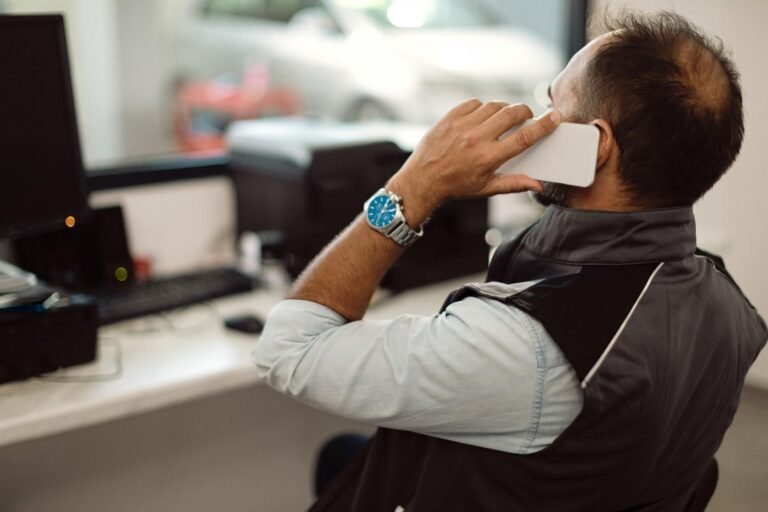

A lunch break can disappear before you even realize you gave it away. One meeting stretches past noon, another message feels too important to ignore, and suddenly the time you meant to use for eating and resetting has turned into another hour of work.
That was the pattern I wanted to break.
Learning how to protect lunch break at work meant treating midday time as something I had to actively defend, not something that would automatically remain free. I started blocking lunch on my calendar, making my availability visible, stepping away from my desk, and refusing to let every routine request become an interruption.
Once I made that change, lunch stopped feeling like leftover time and started becoming a real boundary in my workday.
How Can I Block My Lunch Break So Coworkers Respect It?
The simplest place to start is your work calendar.
I schedule lunch as a recurring block and mark that period as “Busy,” “Away,” or otherwise unavailable. Doing this before meetings fill the calendar makes the break visible to coworkers and reduces the likelihood that someone will automatically schedule over it.
A predictable lunch schedule works particularly well when your team relies heavily on Outlook, Google Calendar, Microsoft Teams, or similar scheduling tools. Building this habit can also reinforce broader digital boundaries, including how to stop checking work email at night, because it trains you to treat certain periods as intentionally unavailable rather than constantly open for work.
Should My Lunch Break Be the Same Time Every Day?
Not necessarily.
Consistency helps, but flexibility matters in workplaces where meetings, customers, deadlines, or shift responsibilities change throughout the week.
I prefer having a normal lunch window while allowing occasional adjustments. If noon becomes unavailable because of an important meeting, I move lunch rather than deleting it from my schedule.
That small distinction matters. Moving a break protects it. Canceling it repeatedly turns lunch into optional time.
How Do I Stop Meetings From Taking Over My Lunch Break?

Lunch meetings can quickly become routine if I accept every invitation without questioning the timing.
When a nonurgent meeting lands during my break, I suggest another available time. A short response such as, “I have lunch blocked then. Would 1:30 work?” usually communicates everything necessary without sounding difficult.
I do not need a long explanation or apology.
Occasional exceptions are reasonable. An important client issue, deadline, or truly time-sensitive discussion may justify changing my schedule. The goal is not to make lunch completely untouchable. The goal is to stop ordinary meetings from consuming it automatically.
How Should I Manage Slack, Teams, and Email During Lunch?
Blocking my calendar solves only part of the problem. Digital interruptions can keep me mentally at work even after I leave my desk.
Before lunch, I update my Slack or Teams status to something simple such as “At Lunch,” “Away,” or “Lunch — Back at 1:00.”
Including a return time helps manage expectations. Coworkers know I am unavailable, but they also know when they can expect a response.
I also silence unnecessary work notifications during the break. Without that step, one email preview can easily lead to checking another message, answering a question, and accidentally spending half of lunch working.
Why Should I Physically Leave My Workspace During Lunch?
Stepping away creates a clearer boundary than simply opening lunch beside my keyboard.
When I work in an office, I try to eat somewhere other than my desk when possible. That might mean a break room, outdoor seating area, nearby café, or a short walk around the building.
The same principle matters even more when working from home. I close my laptop and move to another room instead of eating in front of my workstation.
Physically changing locations sends a much stronger signal that I am temporarily unavailable than continuing to sit where I work.
What Should I Finish Before Taking My Lunch Break?

One useful habit is handling genuinely urgent tasks before lunch when possible.
If something requires only a few minutes and will otherwise create an immediate problem, finishing it can make stepping away easier. However, I avoid falling into the trap of believing I must complete every unfinished task before eating.
Large assignments rarely provide a perfect stopping point.
Instead, I use a short pre-lunch shutdown routine. I note what I completed, where I stopped, what remains unresolved, and what I need to tackle first when I return.
This gives me a clean mental transition without forcing me to finish an entire project before taking a break.
How Do I Communicate My Lunch Routine to My Manager and Team?
Clear communication makes workplace boundaries easier to maintain.
If I regularly take lunch around the same time, I let the people I work with know that schedule. I also make it clear when I will be available again.
I do not frame lunch as disappearing from work. I frame it as part of how I manage my workday.
For example, I might explain that I normally step away between noon and 1 p.m. but remain flexible when a genuinely urgent issue requires attention.
This approach helps coworkers learn my routine and reduces unnecessary messages during the break.
What If I Feel Guilty About Taking a Lunch Break?
Workplace culture can make people feel as though constant availability proves commitment.
I have found that skipping lunch rarely produces the productivity boost I imagine. Instead, I often return to afternoon tasks feeling distracted, hungry, or mentally drained.
A protected break allows me to eat, move, reset, and return with a clearer head.
Protecting personal time at work does not require becoming unavailable whenever coworkers need help. It means deciding that routine requests do not always deserve immediate access to every minute of the day.
How Can Remote Workers Protect Lunch From Household Tasks?
Remote work creates another challenge: lunch can easily become a time for laundry, cleaning, errands, or other household responsibilities.
Completing an occasional chore is fine, but turning every lunch into another productivity session defeats the purpose of taking a break.
When I work remotely, I try to make at least part of lunch genuinely restorative. Eating away from my desk, walking outside, stretching, or simply sitting somewhere without checking a screen creates a noticeable transition between the morning and afternoon.
What Should I Do If My Lunch Break Keeps Getting Interrupted?

One interruption does not necessarily mean a boundary has failed. Repeated interruptions are different.
If coworkers regularly ignore my lunch status, I reinforce the same pattern consistently. I answer nonurgent messages when I return rather than immediately responding from my phone.
If meetings continue appearing during lunch, I suggest alternate times.
If workload expectations repeatedly make taking a reasonable break impossible, I raise the pattern with my manager instead of trying to solve each interruption separately.
The key to protecting lunch breaks at work is consistency. When I repeatedly demonstrate when I am available and when I am stepping away, other people have a much clearer boundary to follow.
Frequently Asked Questions (FAQs)
1. Is it professional to block lunch on my work calendar?
Yes. Blocking lunch communicates availability and helps prevent unnecessary scheduling conflicts. A recurring calendar block can be especially useful in meeting-heavy workplaces.
2. How long should I step away from my desk for lunch?
The practical answer depends on your schedule, employer policies, role, and applicable workplace requirements. Even when I cannot take a long break, I try to create a genuine period away from active work instead of eating while answering messages.
3. Should I answer emails and Slack messages during lunch?
For routine communication, I prefer to respond after returning. Jobs that require continuous coverage may work differently, but checking every notification can quickly turn lunch into another work session.
4. What can I say when someone schedules a meeting during lunch?
A simple response usually works: explain that you already have a break scheduled and offer another available time. Keeping the response short makes the boundary feel normal rather than confrontational.
5. How to protect lunch break at work when every day is busy?
Schedule the break before your calendar fills, handle truly urgent items beforehand, leave yourself a clear note about where to restart, communicate your return time, and move the break instead of automatically canceling it when the day changes.
Make Lunch a Boundary, Not Leftover Time
I stopped losing lunch once I stopped treating it as whatever time remained after everyone else had finished scheduling my day.
Now, I block the time early, communicate my routine, update my status, silence unnecessary notifications, wrap up urgent items when practical, and physically leave my workspace whenever possible.
I still make exceptions when work genuinely demands them. I simply do not allow exceptions to quietly become the everyday routine.
A protected lunch break does not have to disrupt productivity. When I give myself a real pause in the middle of the day, I often return more focused and better prepared for the work still ahead.