

Stepping into raw wilderness offers a profound escape from modern urban routines, revitalizing our natural connection to the earth. Meaningful wildlife encounters evoke genuine awe, teaching humility and respect for delicate global ecosystems. Rather than admiring animals through distant screens or artificial enclosures, immersive outdoor adventures place you directly within authentic habitats.
Discover how responsible eco-expeditions, silent water exploration, multi-day wilderness stays, and citizen science programs allow you to observe magnificent creatures closely while prioritizing ethical conservation and habitat preservation.
Embark on Guided Walking Safaris and Silent Wilderness Treks

Traversing wild terrain on foot strips away the mechanical insulation of vehicles, instantly awakening your dormant primal senses. Guided foot treks immerse adventurers in the sounds of rustling prairie grasses, sudden bird warning calls, and fresh scent trails left across damp dirt tracks. Walking quietly allows observers to approach native fauna without the roaring engine noise that habitually scatters timid wildlife.
Licensed naturalists and field trackers lead these excursions, interpreting subtle clues that standard travelers overlook. Experienced guides identify fresh paw impressions, scratch markings along tree bark, and subtle directional changes in herd movements, leading you safely toward wildlife corridors. Moving on foot fosters patience, encouraging observers to wait quietly beside waterholes, game trails, or clearing edges until undisturbed natural animal behaviors unfold.
Furthermore, foot safaris emphasize comprehensive environmental literacy rather than merely ticking off prominent predator sightings. Trackers introduce travelers to foundational ecosystem components—including pollinating insects, medicinal flora, geological formations, and subterranean burrowing creatures—that underpin the survival of iconic apex species. This holistic walking perspective transforms an ordinary hike into a deeply educational journey through untouched habitats.
Mastering the Art of Silent Tracking in the Field
Walking in single file along game ridges reduces physical visual profiles, allowing groups to blend seamlessly into dense brush and grasslands.
Learning to step gently on soil heels rather than scuffing dry twigs keeps human approach quiet, preventing wildlife alarms from echoing across valleys. Careful stalking maintains animal calm.
Interpreting Animal Signatures and Environmental Context
Examining fresh scat, trampled foliage, and territorial scent markers reveals recent animal presence, guiding naturalists safely through dynamic terrains.
Understanding regional wind currents ensures tracking groups remain downwind, preventing keen animal noses from detecting approaching observers prematurely. Tracking awareness guarantees respectful sightings.
Experience Immersive Multi-Day Stays at Remote Wilderness Lodges
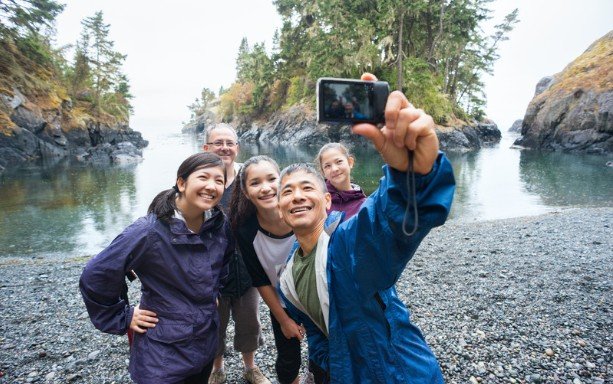
Day trips offer fleeting glimpses of wilderness environments, but establishing base camp deep inside animal habitats provides unparalleled proximity to natural wildlife rhythms. Eco-lodges situated far beyond highway systems allow guests to wake to morning bird songs and observe animals roaming unrestricted outside cabin windows.
These remote outposts operate as self-contained wilderness retreats, utilizing sustainable solar microgrids, filtered rainwater systems, and strict waste-containment protocols to eliminate local ecological footprints. Staying on-site for multiple days allows travelers to observe seasonal shifts, pack dynamics, and parental care routines that casual day-trippers miss entirely. Expert resident naturalists coordinate daily outings tailored precisely to real-time weather and animal locations.
For those eager to observe massive coastal apex predators in their undisturbed feeding grounds, reserving an expedition at an authentic bear viewing lodge in Alaska delivers an unforgettable multi-day wilderness experience. Guests fly via small floatplanes into isolated coastal bays or salmon-rich river systems, spending hours alongside professional naturalists watching coastal brown bears fish, dig for clams, and raise playful cubs against breathtaking mountain backdrops.
Accessing Isolated Habitats via Bush Aviation
Boarding amphibious floatplanes or backcountry aircraft allows wildlife enthusiasts to cross roadless mountain passes and land directly on pristine lakes.
Flying low across braided river systems provides breathtaking aerial views of caribou migrations, moose wetlands, and sweeping coastal estuaries. Bush flights unlock remote sanctuaries.
Witnessing Dawn and Twilight Animal Rituals
Many iconic predator and prey species exhibit crepuscular activity patterns, moving and foraging primarily during cool sunrise and sunset hours.
Residing directly within wilderness lodges eliminates long transit delays, placing observers in viewing position during peak natural activity windows. Overnight stays maximize golden-hour viewings.
Explore Marine Habitats Silently by Sea Kayak and Paddleboard
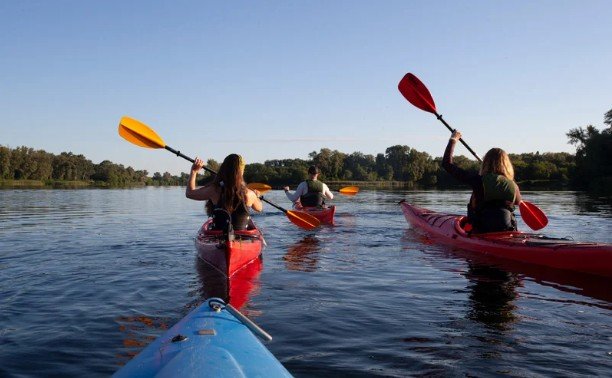
Vast ocean expanses and quiet coastal estuaries harbor incredible biological diversity, yet motorized boat engines produce underwater acoustic pollution that disrupts aquatic communication and drives marine mammals away. Navigating waterways using human-powered watercraft—such as sea kayaks, canoes, and paddleboards—provides an intimate, non-intrusive portal into aquatic realms.
Drifting quietly across sheltered kelp forests, tranquil mangrove channels, or glacial fjords allows paddlers to approach marine species without causing disturbance. Inquisitive harbor seals, sea otters, and playful marine mammals often approach floating kayaks voluntarily, surfacing alongside paddles to inspect quiet visitors. Gliding through clear tidal shallows exposes colorful sea stars, foraging rays, and schooling fish moving unbothered through clear coastal waters.
Moreover, small human-powered craft access tight tidal passages, shallow estuaries, and sea cave openings that large motorized tourist vessels cannot enter. Exploring these protected nursery grounds reveals roosting seabird colonies, nesting bald eagles, and resting marine species sheltering within wave-protected coastal bays.
Gliding Over Kelp Canopies and Tidal Estuaries
Paddling through thick bull kelp beds, where the kelp dampens surface chop, offers a calmer setting for watching sea otters crack shellfish on their chests. Moments like these highlight the benefits of living an intentional life, including making time to slow down and appreciate nature.
Looking straight down through crystal-clear coastal water reveals intricate kelp anchors, crawling crabs, and schooling juvenile fish. Shallow paddling reveals marine nurseries.
Navigating Intricate Mangrove Labyrinths on Quiet Waters
Twisting through dense red mangrove root tunnels shields paddlers from coastal winds, revealing protected roosting zones for colorful migratory birds.
Quiet paddling alongside muddy banks exposes tree crabs, basking iguanas, and juvenile fish hiding safely inside labyrinthine root nurseries. Mangrove paddling uncovers hidden biodiversity.
Observe Pelagic Wildlife Through Ethical Snorkeling and Diving
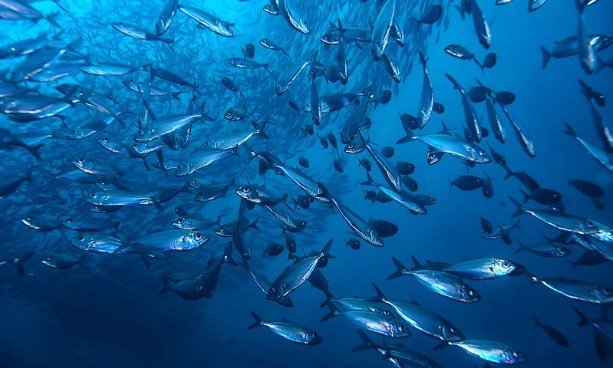
To understand marine ecosystems thoroughly, adventurers must leave surface air behind and submerge directly beneath the ocean swell. Snorkeling and scuba diving allow humans to breathe underwater, witnessing the intricate behaviors of aquatic creatures within their native three-dimensional environment.
Drifting weightlessly above vibrant coral reef structures immerses divers in bustling underwater cities where parrotfish scrape coral heads, sea turtles graze on algae, and moray eels peek from limestone crevices. Adhering to strict buoyancy control is crucial, preventing accidental fin strikes from snapping centuries-old coral formations or disturbing delicate seafloor invertebrates.
For encounters with large pelagic animals—such as graceful manta rays, gentle whale sharks, or playful sea lions—participating in certified ethical swim tours ensures interactions occur strictly on animal terms. Swimmers remain passive observers, avoiding chasing, touching, or corralling ocean giants, which encourages animals to linger comfortably in proximity.
Practicing Flawless Neutral Buoyancy Above Living Coral
Mastering breathing techniques allows scuba divers to glide inches above delicate coral formations without touching the fragile reef.
Keeping hands tucked and equipment streamlined prevents loose dive gauges from snagging marine sponges or fragile branching corals. Buoyancy control preserves marine architecture.
Passive Encounters with Gentle Pelagic Giants
Floating motionless at the surface during whale shark encounters prevents alarming these massive filter feeders as they skim plankton-rich waters.
Allowing curious marine animals to dictate distance and approach angles transforms the encounter into an authentic, respectful interaction. Passive swimming invites natural curiosity.
Participate in Community Citizen Science and Conservation Expeditions

Experiencing wildlife takes on deeper meaning when your personal travel contributes directly to biological preservation and academic research. Citizen science travel programs invite passionate eco-travelers to collaborate alongside field biologists, park rangers, and conservation nonprofits on active wildlife protection initiatives.
Participants assist field scientists by setting up camera traps, tracking radio-collared predators, recording nesting bird counts, and cataloging photographic identification profiles of marine mammals. These hands-on duties place travelers directly alongside dedicated researchers, offering rare behind-the-scenes insights into animal migration habits, population genetics, and urgent ecological threats.
Furthermore, conservation expeditions frequently grant controlled access to restricted scientific field reserves, private conservation ranches, and offshore marine protected zones closed to commercial tourists. Working actively to record data, plant native trees, or restore degraded habitat structures fosters profound personal investments in protecting endangered wildlife species.
Assisting Researchers with Trail Camera Deployments
Hiking into remote backcountry ridgelines to service motion-activated camera traps captures candid animal behaviors without human presence.
Cataloging camera images teaches volunteers to identify individual animals by distinctive ear notches, pelt patterns, and facial markings. Camera trapping supports population tracking.
Restoring Native Habitats and Monitoring Critical Nests
Volunteering on coastal nesting beaches helps identify and protect sea turtle eggs from natural erosion and invasive predators.
Constructing protective wire cages over vulnerable nests shields eggs until hatchlings emerge safely to make their ocean crawl. Hands-on restoration protects future generations.
Conclusion
Experiencing nature and wildlife up close is a life-affirming pursuit that enriches human perspectives and deepens personal connections to the natural world. Whether tracking wildlife on foot safaris, establishing camp at an authentic remote lodge, paddling silently through marine estuaries, diving vibrant reefs, or assisting conservation research, the finest wildlife encounters demand patience, humility, and strict ethical stewardship.
Prioritizing animal well-being and habitat protection ensures these magnificent wild creatures remain undisturbed in their native realms, preserving authentic wilderness wonder for future generations of adventurers.