
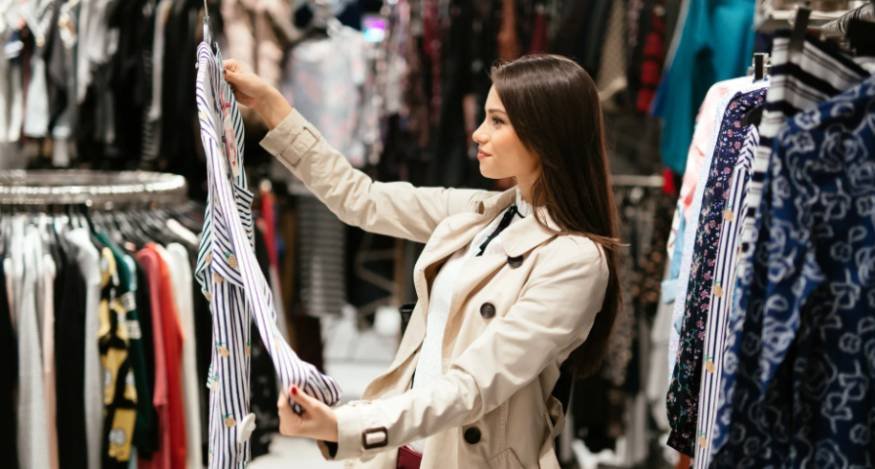
I used to buy organizers before I had an organizing habit. I bought workout gear before I had a workout schedule. Learning how to stop buying things you never use required more than a stricter budget. I had to stop shopping for the person I hoped to become.
The real change came when I replaced desire with proof of future use. Now, an item must earn space in my life before it earns space in my cart.
Find the Real Reason You Buy Unused Stuff
My unnecessary purchases rarely started with a practical need. I often shopped because I felt bored, stressed, behind, or inspired by someone else’s life.
Online stores can amplify those feelings. The Federal Trade Commission warns that countdown timers, disguised advertisements, hidden terms, and other dark patterns may steer shoppers toward choices they might not otherwise make.
A 2024 review of 642 subscription websites and apps found that nearly 76% used at least one possible dark pattern. Nearly 67% used several possible dark patterns.
To understand how to stop buying things you never use, I recorded three details after each regretted purchase:
- My mood before shopping
- The event that triggered the purchase
- The promise the product seemed to make
Patterns appeared quickly. Stress created comfort purchases. Social media created comparison purchases. Sales created “just in case” purchases.
Once I knew the trigger, I could address the real problem instead of buying another temporary solution.
Audit What You Already Own

One closet audit taught me more than months of vague budgeting advice. I gathered clothes with tags, duplicate tools, unopened products, abandoned hobby supplies, and dusty gadgets.
Then I wrote each item’s purchase price and estimated use count. This was not punishment. It was evidence.
The Consumer Financial Protection Bureau recommends tracking spending and analyzing existing habits before creating a realistic plan to control impulse purchases. Reviewing one week at a time can make the process less overwhelming.
My audit revealed which categories needed stronger limits. It also showed how often a harmless “small treat” became long-term clutter.
Choose one problem category first. It might be clothing, beauty products, kitchen tools, books, electronics, or hobby supplies. A focused audit feels more manageable than emptying the entire house.
Use the First-Use Appointment

My most effective method for how to stop buying things you never use is the First-Use Appointment.
Before purchasing anything nonessential, I answer four questions:
- When will I first use it?
- Where will I use it?
- Where will it live afterward?
- Which current item will it replace?
A vague answer means I do not buy it.
Give the Item a Date and Place
“Someday” is not an appointment.
New hiking boots need a planned trail date. A baking tool needs a recipe and a day to use it. Formal clothing needs a real upcoming event.
This test exposes identity purchases. Those are items bought to support an imagined version of myself rather than my current routine.
The test also reveals hidden work. Many products need storage, cleaning, charging, repairs, refills, or subscriptions. I count those demands as part of the purchase price.
Calculate Cost per Realistic Use
I divide the total price by the number of times I will probably use the item during its first year.
A $120 appliance used twice costs $60 per use. A $60 pair of shoes worn 60 times costs $1 per use.
The lower sticker price is not always the better value.
I calculate realistic use rather than ideal use. I consider my current schedule, not the schedule I wish I had. That distinction has prevented many wasteful purchases.
Add Friction to Online Shopping

Learning how to stop buying things you never use became easier when I made checkout slightly inconvenient.
I deleted retail apps, removed saved payment cards, disabled one-click ordering, and logged out after each purchase. These steps created a pause between wanting something and paying for it.
Research connects impulse buying with emotional, cognitive, advertising, and situational influences. Separate research found that time pressure can encourage more emotional impulse decisions. That makes artificial urgency worth resisting.
I now treat countdown timers as a signal to leave, not a reason to hurry.
I also avoid buy-now-pay-later services for unplanned purchases. Splitting a price into smaller payments does not make the product less expensive. It only makes the immediate cost feel smaller.
Remove Shopping Triggers
I cannot crave every product I never see.
I unsubscribed from promotional emails, muted brand accounts, unfollowed shopping influencers, and stopped browsing stores for entertainment. I also cleared abandoned carts so reminder emails could not restart the buying urge.
Next, I created replacement actions for emotional triggers.
When I feel stressed, I take a short walk. When I feel bored, I read. When comparison begins, I close the app. When I want novelty, I use something I already own in a different way.
This matters because how to stop buying things you never use begins before a product reaches the cart. Reducing exposure protects me when my judgment is tired.
Create Buying Rules
Rules reduce the exhausting debate that often ends with “add to cart.”
I use a 48-hour delay for smaller wants. Costly, bulky, or high-maintenance purchases receive a 30-day delay.
For higher-cost wants, I follow how to use the 30 day rule before buying and place the item on a dated wish list. I never leave it in the shopping cart because reminder messages can revive the original urge.
I also use category-specific rules. Clothes follow one-in, one-out. Hobby supplies require finishing the current project. Kitchen gadgets must replace another tool or solve a weekly problem.
Books require finishing or donating unread titles first. Beauty products require using the same category before buying replacements.
These rules make how to stop buying things you never use feel automatic instead of restrictive.
Shop for Your Actual Life

My fantasy self cooks elaborate dinners, attends fo
rmal events, journals every morning, and masters several hobbies. My actual self has limited time, storage, and attention.
Before buying, I ask one direct question:
“Would I use this during a normal week?”
Using a few mindful spending questions to ask before buying can help me test whether an item fits my current routine, budget, storage space, and genuine priorities before I commit.
The product must fit my current home, schedule, climate, body, skills, and priorities. It should not require a personality transplant.
I also ask whether I would pay full price. If the answer is no, the discount may be creating the desire rather than creating genuine value.
Another useful question is, “Would I still want this if nobody saw me using it?” That test separates practical value from status, comparison, and social approval.
Recover Value From Past Mistakes
Decluttering strengthened my approach to how to stop buying things you never use because every unused object became visible evidence.
I sorted items into five categories: return, sell, donate, recycle, and keep.
I listed sale items within 48 hours. Otherwise, the selling pile became another form of clutter. I also checked return windows before removing packaging or tags.
Resale money went directly into savings instead of funding another shopping session. That gave each mistake a productive ending.
I also created a photo album called “Things I Thought I Needed.” It contains pictures of past purchases that looked exciting but received little use.
Checking that album before shopping reminds me that desire can sound convincing and still be wrong.
Frequently Asked Questions
1. Why do I keep buying things and never using them?
Common causes include stress, boredom, social comparison, discounts, imagined future habits, and the quick reward of completing a purchase.
2. How can I stop impulse buying online?
Remove saved cards, delete retail apps, avoid promotional content, introduce a waiting period, and shop only from a written list.
3. Does the 30-day rule work for unnecessary purchases?
Yes. It gives urgency time to fade and tests whether the item still fits a genuine need, budget, and use plan.
4. What is the fastest way to learn how to stop buying things you never use?
Audit unused items, identify your strongest shopping trigger, and require a dated First-Use Appointment before your next nonessential purchase.
Your Cart Does Not Get the Final Word
I stopped wasting money when I stopped treating every desire as a decision. My best filter remains simple: no first-use date, no purchase.
Start with the category creating the most clutter. Remove its triggers, introduce a waiting rule, and audit what you already own.
That is how to stop buying things you never use without depending on perfect discipline or making yourself feel deprived.